community
Schools and Education in Adelaide: Universities, Schools and Training
A general guide to how universities, TAFE, public and non-government schools, and specialist options fit together across Adelaide and South Australia.
How we reported this
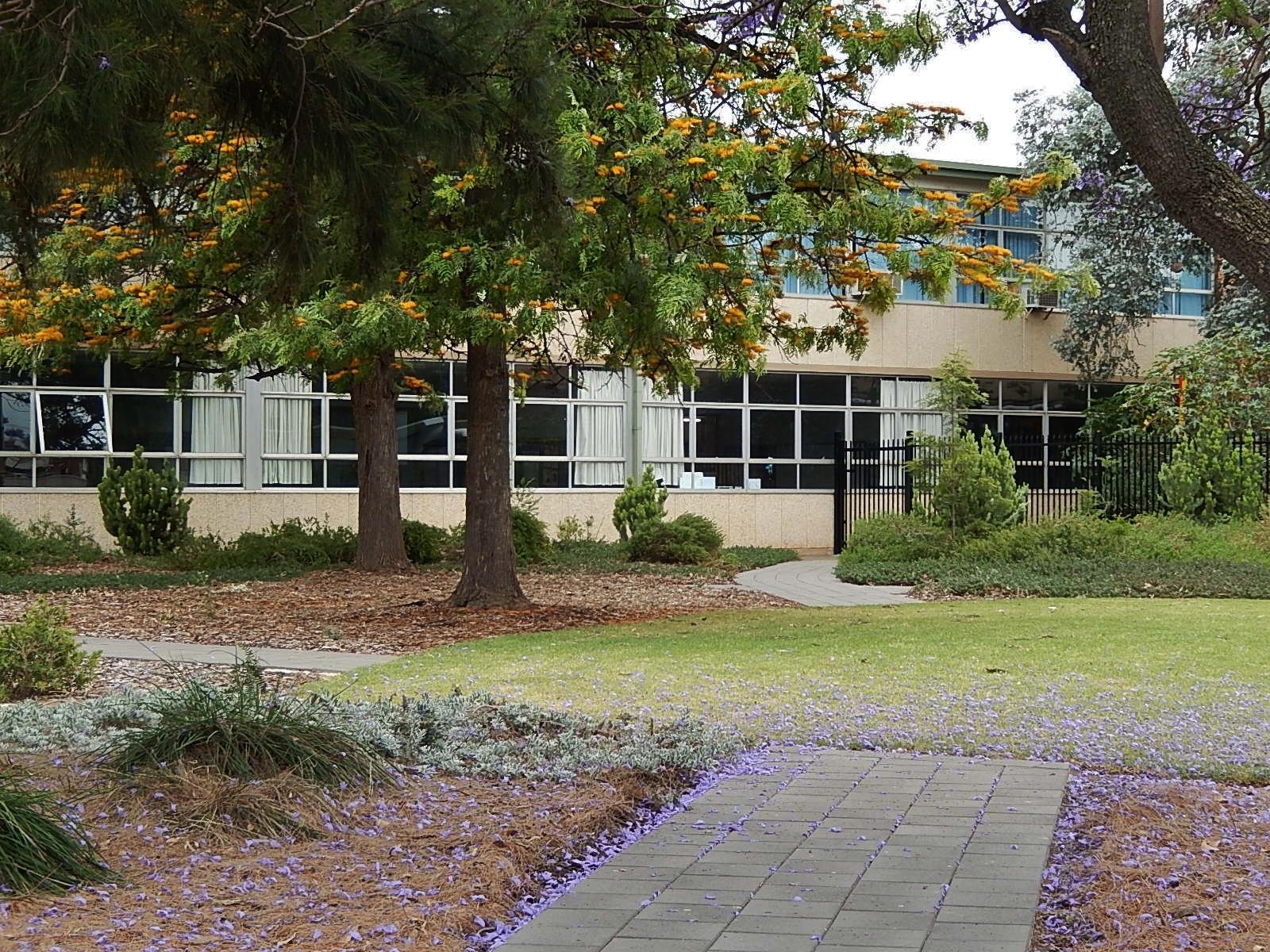
This is a general explainer about how education works across Adelaide and South Australia, intended to orient families, students and newcomers rather than to give advice for any one situation. Details such as enrolment zones, fees, course offerings, campus arrangements and provider names change over time, so anyone making a decision should confirm the current position directly with the relevant school, provider, university or the South Australian Department for Education before acting. What follows describes the durable shape of the local system and the kinds of choices Adelaide families typically weigh.
One of the most distinctive features of Adelaide's tertiary landscape is its concentration of universities along a single grand boulevard. North Terrace, running through the heart of the city, has long been home to clusters of university buildings, museums, the State Library and other cultural institutions, which has given Adelaide an unusually walkable academic precinct by Australian standards. The University of Adelaide, one of the country's older universities, has its main presence here, and the University of South Australia has historically operated city campuses in the same corridor. A long-discussed and significant development for the state has been the move to bring the University of Adelaide and the University of South Australia together to form a single new institution, Adelaide University, a change that families planning years ahead should verify directly given how such arrangements evolve.
Beyond North Terrace, Flinders University anchors the southern suburbs around Bedford Park, with a strong association with health and medical training given its proximity to a major teaching hospital, and it has also expanded its footprint into the city. Together these universities give Adelaide broad coverage across medicine and health, science, engineering, law, business, education, the creative arts and the humanities. The universities themselves are the most reliable source for current faculty structures, campus locations and entry pathways, and prospective students are encouraged to consult them directly, since program names and admission requirements are revised regularly.
Vocational and technical training is delivered across the state primarily through TAFE SA, the public training provider, alongside a range of registered private and industry training organisations. TAFE SA operates campuses in the Adelaide metropolitan area and in regional centres, offering certificates, diplomas and apprenticeship-linked training in trades, health and community services, hospitality, business, information technology and many other fields. For school leavers and adults retraining or upskilling, vocational pathways often connect to apprenticeships and traineeships, and they can also provide credit or articulation into university degrees. The current course catalogue and campus list are best checked with TAFE SA and individual providers.
School education in Adelaide is organised into a public system run by the South Australian Department for Education and a non-government sector that includes Catholic schools and a wide range of independent schools. Most children attend their local government school, and the department operates enrolment or zoning arrangements for many sites, meaning a family's home address can determine the default public school. Schooling generally spans the early years through to the senior secondary years, with the South Australian Certificate of Education, known as the SACE, awarded at the end of senior secondary study. Catholic Education South Australia and the independent sector together educate a substantial share of students, and fees, enrolment policies and faith or values orientation vary from school to school.
Adelaide also offers a number of specialist and selective options for students with particular interests or aptitudes. The state system has historically included special-entry and specialist programs in areas such as languages, science and mathematics, sport, music and the performing and visual arts, with some programs requiring an application or assessment for entry. There are also dedicated special-education settings and support for students with disability or additional needs. Because places in selective and specialist programs are limited and application timelines are set well in advance, families are best served by checking eligibility and closing dates directly with the Department for Education and the individual schools concerned.
Education is also a major part of Adelaide's economy and labour market. The combined activity of schools, the universities, TAFE SA and private training providers makes education and training one of the larger sources of local employment, supporting teachers, lecturers, researchers, support staff and a wide web of related services. The universities are significant research employers and have helped seed precincts and industries around health, defence, space and technology, while international students contribute meaningfully to the state's economy and to the life of the city. The Australian Bureau of Statistics publishes data on enrolments, attainment and employment by industry that gives a fuller picture of education's economic weight, and is a useful starting point for those wanting the numbers.
For families and students navigating all of this, the practical task is usually about sequencing and timing. That can mean confirming the local public school zone, comparing it against Catholic and independent options, weighing any specialist or selective program against a child's interests, and looking ahead to senior secondary subject choices that keep university and vocational doors open. For older students it can mean choosing between a university degree, a TAFE qualification or an apprenticeship, and understanding how those pathways link. The most reliable approach is to start with the authoritative bodies, the South Australian Department for Education for schools, the universities and TAFE SA for tertiary study, and the Australian Bureau of Statistics for context, and to confirm the current details before committing.
Sources: South Australian Department for Education, TAFE SA, University of Adelaide, University of South Australia, Flinders University, Australian Bureau of Statistics.