wellness
Adelaide Dog Parks Transform Residents' Health Through Daily Exercise
From Thorndon Park to the Linear Park trail, Adelaide residents are crediting their dogs, and the off-leash spaces they share, with some of the most significant health transformations of their lives.
Listen in English · 4 min
How we reported this
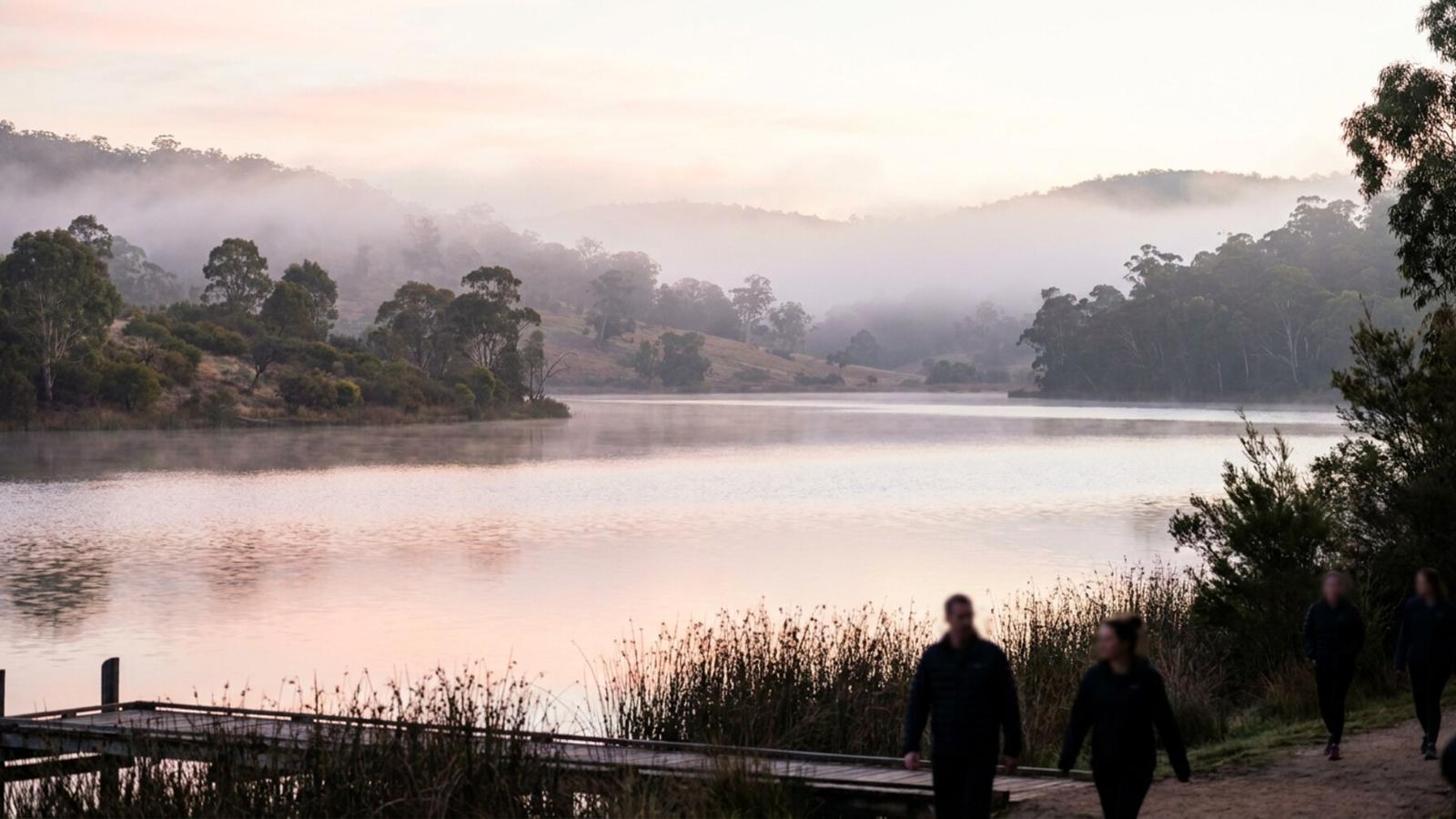
Dog ownership is quietly doing what gym memberships often fail to: getting Adelaideans moving every single day. Across the metropolitan area, a growing cluster of off-leash parks and trail corridors has evolved into something resembling an informal community fitness network, with regular walkers clocking distances that rival structured running programs, often without meaning to.
The timing matters. With extreme heat events pushing more people to exercise in the early morning before temperatures spike, a pattern familiar to anyone watching what July has brought to the east coast this year, Adelaide's 50-kilometre Linear Park trail along the Torrens River has become a year-round artery for dog walkers who would not otherwise describe themselves as fitness enthusiasts. The route, stretching from the Adelaide CBD out to Glenelg via multiple trailheads, offers shade, drinking taps and sealed paths that accommodate people at almost any fitness level.
The Parks Driving the Movement
Thorndon Park in Modbury North has become one of the north-eastern suburbs' most active off-leash hubs. The reserve's fenced dog exercise area sits adjacent to walking paths that loop around the park's pond, and on any given winter Saturday morning, dozens of residents are completing two or three laps while their dogs socialise. A return circuit of the outer path runs close to 2.5 kilometres, modest on its face, but done six days a week it adds up to more than 780 kilometres a year.
Further south, the off-leash zone at Kurralta Park Reserve near Glenelg North attracts residents from the inner-western suburbs who combine a dog walk with the foreshore fitness trail along Broadway. The Glenelg Surf Life Saving Club has noted increased foot traffic along that stretch during morning hours, and local fitness instructors running bootcamp sessions on the nearby beach have started factoring in the dog-walking crowd when scheduling classes, acknowledging that the two communities increasingly overlap.
Bowker Street Reserve in Plympton and the large off-leash section of Belair National Park are also drawing regulars. Belair, which charges a $12 vehicle entry fee as of July 2026, sees its dog-friendly trails used heavily on weekends by families treating the walk as their primary weekend exercise. Dogs are permitted on many of the marked trails under the national park's current permit conditions, making it one of the few green spaces in greater Adelaide where serious hill walking and dog exercise combine.
What the Evidence Says, and What Locals Are Finding
The correlation between dog ownership and physical activity is well established. A 2019 study published in the journal BMC Public Health found that dog owners were approximately four times more likely to meet recommended weekly physical activity guidelines than non-owners. In Australia, the RSPCA estimates that around 40 per cent of households own at least one dog, placing the country among the highest rates of dog ownership globally.
What is newer is the community infrastructure forming around those walks. The Dogs SA-affiliated Facebook group Adelaide Dog Walkers, which has grown to more than 14,000 members, now regularly features posts from residents describing how consistent dog walking reversed weight gain, improved sleep or reduced anxiety. The Central Market precinct on Gouger Street, while not a park, has seen vendors report increased weekday morning trade from dog walkers who stop in post-walk for coffee and fresh produce, a small but telling sign of the lifestyle rhythm these routines create.
Parkrun at the Botanic Gardens, which takes place every Saturday at 8am on the inner rim of the park near Plane Tree Drive, also intersects with this crowd. Volunteer coordinators there say a visible proportion of participants arrive and depart with dogs on leads, treating the 5-kilometre course as a structured version of what they do informally the other six mornings of the week.
For anyone wanting to tap into the same rhythm, the simplest entry point is a mapped off-leash area through the City of Adelaide's PawMap resource, which lists verified dog parks by suburb and fence status. Residents new to regular walking are encouraged to speak with their GP before significantly ramping up daily distances, particularly heading into Adelaide's warmer months from October onward. Starting with two laps of a local oval and building gradually is the advice consistently given by exercise physiologists at clinics across the inner northern suburbs. The dog, it turns out, is often the most reliable personal trainer in the household.