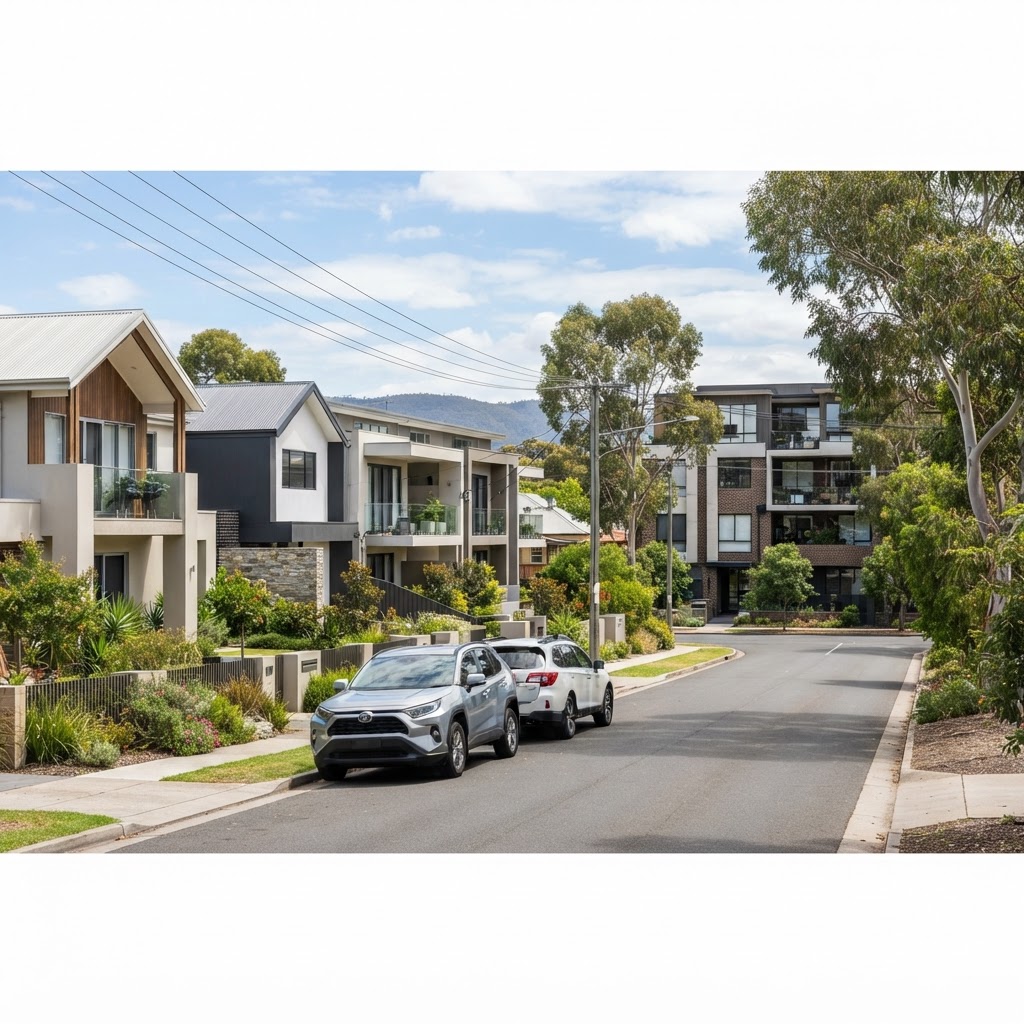
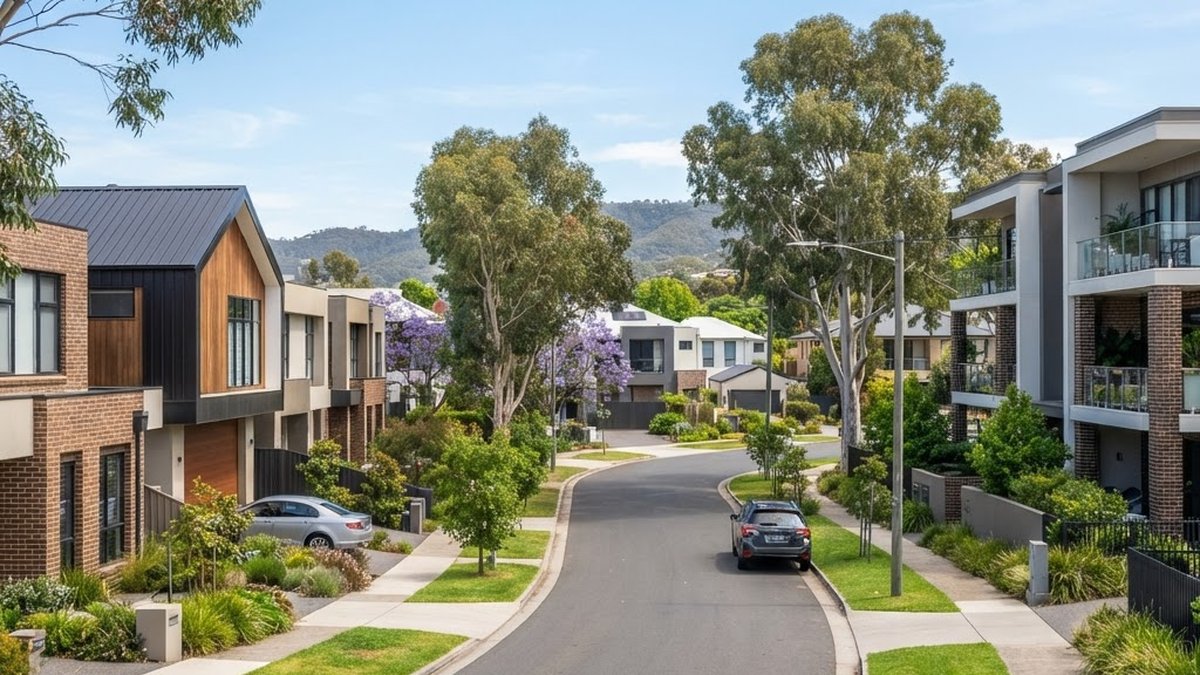
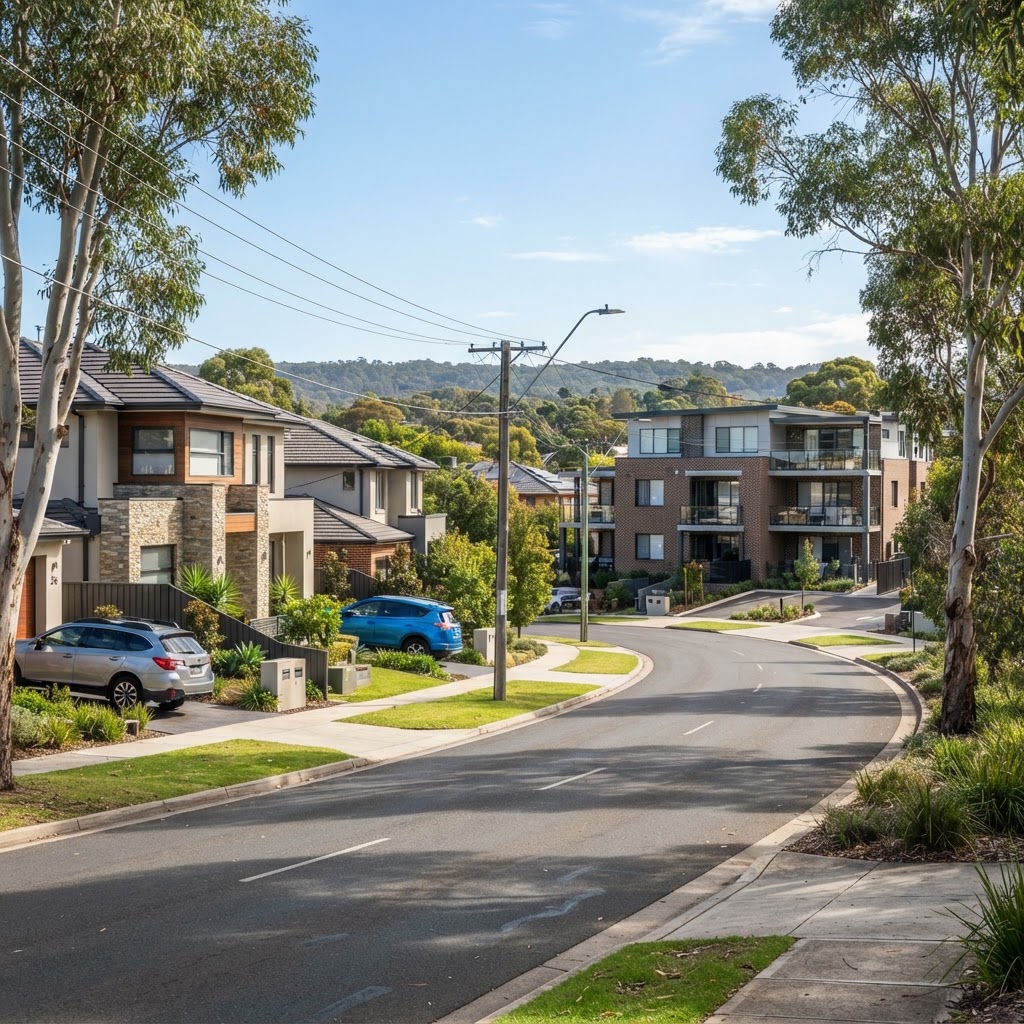
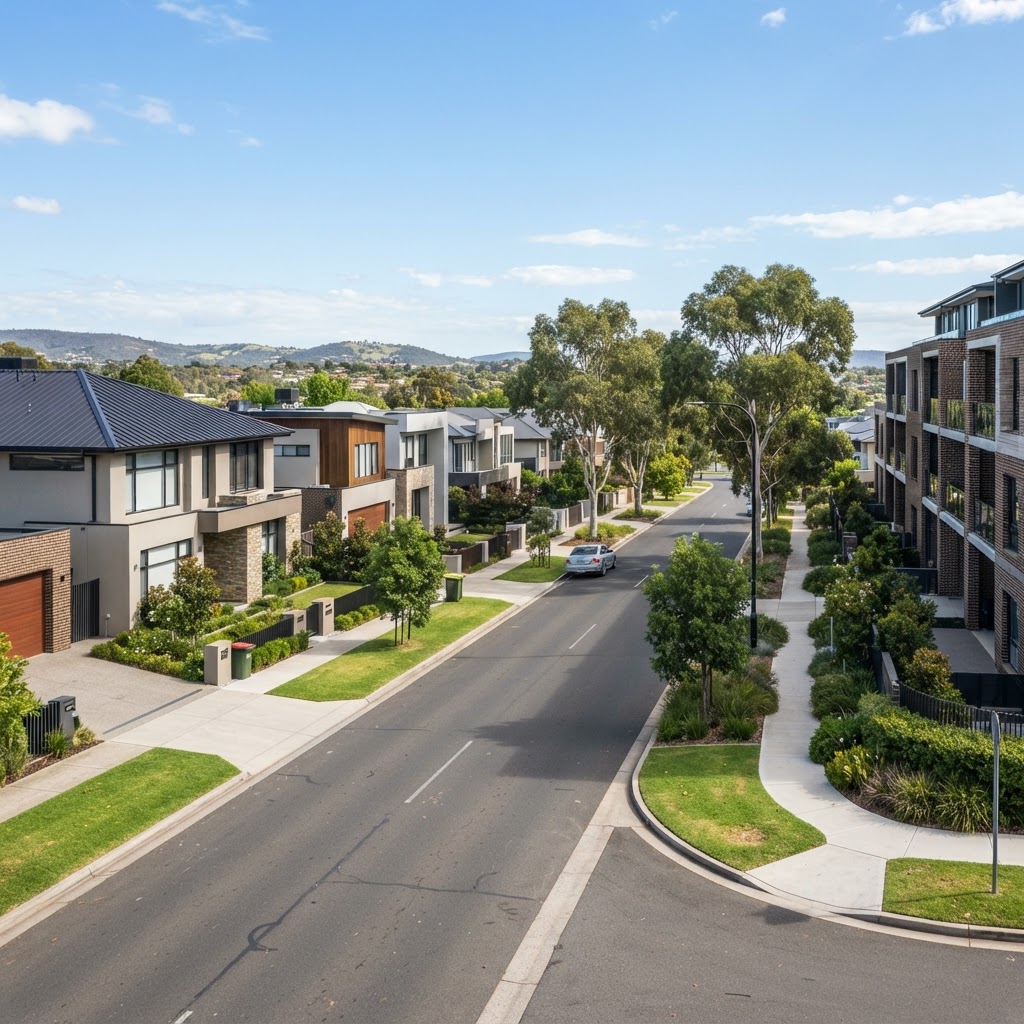
Adelaide renters whose leases expire in the next three months are stepping into one of the tightest rental markets the city has recorded in years. The South Australian capital's residential vacancy rate sat at roughly 0.4 percent in mid-2026, according to figures tracked by the Real Estate Institute of South Australia, a number that, in practical terms, means fewer than one in every 200 listed properties is available to move into on any given week.
That statistic matters because it arrives at the same moment household budgets are being pulled in two directions. Rents across metropolitan Adelaide have risen sharply since 2022, with median weekly asking rents for houses in sought-after corridors such as Prospect and Norwood now regularly clearing $600. At the same time, the state's median dwelling price of around $720,000, the most affordable of any Australian capital, but still a figure that demands a deposit north of $100,000 under standard lending conditions, continues to frustrate renters who might otherwise attempt the switch to ownership.
Negotiating renewal with an existing landlord has become the preferred option for many tenants precisely because re-entering the open market is so punishing. Listings on major portals in suburbs like Prospect, Marden, and Broadview have been drawing dozens of applications within days of going live. Agents report that properties priced below $450 per week, increasingly rare inside the inner ring, attract queues that would have seemed implausible five years ago.
For those whose landlords are selling up, a real possibility given that investor confidence has wobbled in some pockets of the north-eastern corridor, the forced exit from a rental property can paradoxically become a window into the ownership market. The South Australian government's HomeStart Finance, a state-based lender that operates out of offices on Grenfell Street in the CBD, offers low-deposit loan products specifically designed for South Australian residents who cannot meet standard bank thresholds. HomeStart's Starter Loan, for instance, has historically allowed deposits as low as two percent for eligible applicants, a product that no major bank currently matches.
First-home programs still on the table, but act quickly
The federal government's Help to Buy shared equity scheme, which gives eligible buyers the ability to purchase with as little as a two-percent deposit while the Commonwealth co-owns a portion of the property, is designed for buyers with incomes below legislated thresholds. Adelaide's relatively lower price point makes the city one of the more practical places nationally to use that scheme, since the property price caps are less likely to be a barrier here than in Sydney or Melbourne.
Suburbs along the northern growth corridor, Salisbury, Elizabeth, and Davoren Park, remain the entry-level heartland, with houses still transacting below $500,000 in some pockets. That is meaningful to a renter currently paying $380 to $420 per week in rent, because mortgage repayments on a $450,000 loan at current variable rates would sit in a comparable weekly range, depending on deposit size and lender.
The practical advice from mortgage brokers and tenant advocates who deal with these situations is consistent: do not wait until the lease-expiry notice lands to start the groundwork. Renters in Adelaide should request a rental ledger from their property manager, this document is accepted as income and payment evidence by most lenders, and book an appointment with a financial counsellor through Uniting Communities, which runs a free financial counselling service from its Pirie Street office in the city. Getting a borrowing capacity assessment, even informally, costs nothing and takes one conversation.
The window between receiving a lease-end notice and having to physically vacate is rarely more than 90 days. In a market where rental queues stretch to 50 applicants and auction clearance rates in Norwood and Marden continue to hold above 70 percent on weekends, 90 days is not a lot of time to make the most consequential housing decision of a decade. Start the clock early.
This article is general information only and is not personal financial or investment advice. Consider your own circumstances and seek licensed professional advice before making financial decisions.