Sport
From grassroots to grandstands: How Adelaide’s college sports clubs are building more than teams
Local clubs find winning formula in community connection as participation surges across the city.
3 min read
Sport
Local clubs find winning formula in community connection as participation surges across the city.
3 min read
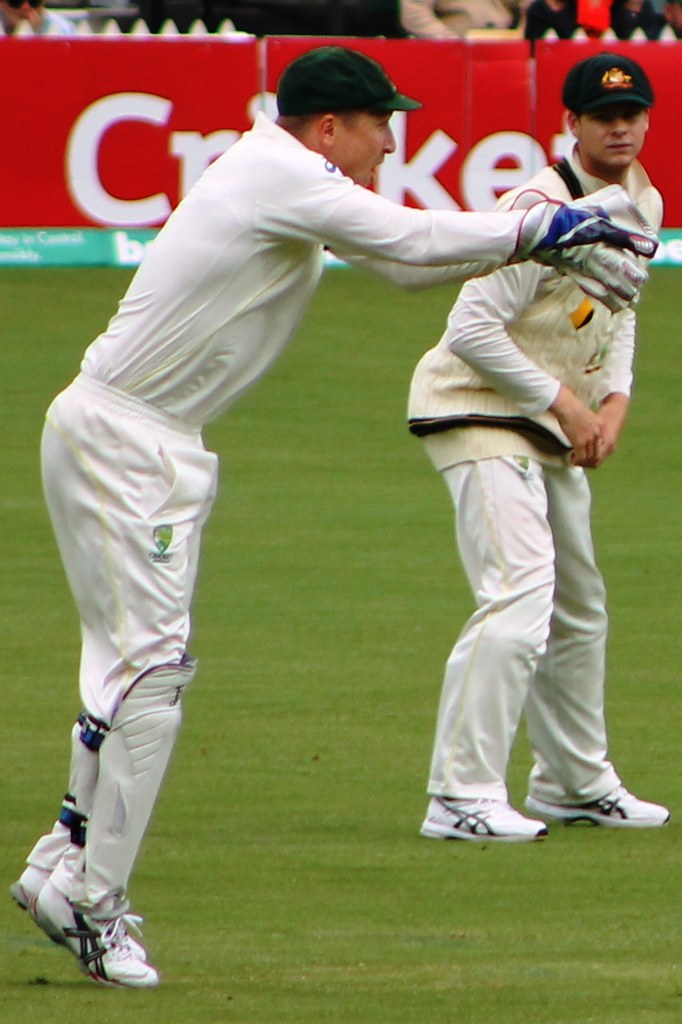
Adelaide’s college sports scene is experiencing a quiet revolution. It’s not about premierships or recruiting wars. It’s about how local clubs are thriving by turning courts, ovals and pitches into genuine community hubs.
The shift matters now because the traditional model-chasing elite talent, paying coaches, fighting for sponsors-isn’t working everywhere. Clubs that prioritise social connection, open-access training and multi-sport pathways are pulling ahead. And Adelaide, with its network of suburban ovals, university grounds and council-run facilities, is proving to be a laboratory for this approach.
Take the clubs operating around the Park Lands and the northern suburbs. At the University of Adelaide playing fields on War Memorial Drive, the college netball and football programs have merged their social calendars this winter. Midweek training is followed by a shared barbecue. Saturday games are scheduled so families can watch both codes. It’s a deliberate tactic: keep people on-site longer, deepen the social ties.
Over in the western suburbs, the Henley and Grange sports precinct has become a case study in co-location. A local college rugby club shares changerooms with a touch football program. The council’s lights stay on until 9 p.m. three nights a week. Club volunteers say the informal mingling between codes has generated a waiting list for junior registration for the first time in five years.
No single city-wide participation figure has been released for 2026. But a qualitative look across the southern suburbs reveals a pattern: clubs that added a social component, a Friday night pasta night, a Sunday recovery session with coffee from a local roaster, report higher retention between terms. One college basketball club in the Mitcham area told its membership that mid-year dropouts fell by about a third after introducing a buddy system for new players.
The evidence is anecdotal but consistent. Treasurers from three separate Adelaide college clubs described the same trend: sponsorship revenue is flat, but membership revenue is up because players are paying for social events, merchandise and multi-sport passes. The clubhouse, not the scoreboard, is becoming the financial engine.
For local clubs, the immediate horizon is the run toward winter finals in August and September. Many are planning end-of-season community days rather than traditional presentation nights-expect inflatable obstacle courses, live music and free sausage sizzles at venues such as the Enfield Sports Centre and the St Clair recreation precinct.
Beyond that, the summer transition is already being mapped. Several college netball and soccer clubs have confirmed they will run free come-and-try sessions in November, using school and council courts. The pitch to potential members is simple: you don’t need elite experience, just a willingness to be part of something.
In a sporting city that loves its AFL and its SANFL, the quiet success of college clubs offers a reminder that the most durable teams aren’t the ones with the biggest budgets. They’re the ones that feel like home.

Sport

Sport
Sport
Sport

Sport

Sport
About this articleBeta
Published by The Daily Adelaide
Spread the word
Daily brief
Free, in your inbox before 7am. Weekdays.
The Daily Network — local news across Australia