On any given Saturday across Adelaide, from the dusty grass of Park 16 to the hard courts of Pasadena, a quiet revolution is underway. Participation in community sport has climbed steadily over the past five years, according to club enrolment data compiled by local associations, but the real story isn't in the numbers alone. It's in the cultural shift happening on the ground, where clubs are becoming hubs of social connection, mental health support and inclusive play.
This weekend's fixtures, from junior netball grand finals in Torrensville to multicultural soccer round-robins at Flinders Park, underscore a trend that most national headlines miss. While the world fixates on World Cup semifinals and Wimbledon champions, Adelaide's sporting lifeblood is being pumped in suburban clubhouses. The grassroots story is not a sideshow; it is the engine room of the city's sporting identity.
The city's sport sector, from the South Australian National Football League (SANFL) to local basketball associations, reported a surge in volunteer applications and spectator attendance at lower-division games throughout 2025 and into early 2026. The anecdotal consensus among administrators is that families are prioritising local, low-cost, high-involvement sporting experiences over elite-level spectating. At the St Marys Football Club in the southern suburbs, under-12s matches this winter have drawn crowds that rival pre-COVID numbers, despite no grand final appearance at stake.
This shift aligns with broader societal trends. In a period of rising living costs and fractured social ties, the neighbourhood club provides something increasingly scarce: a reliable, low-barrier third place. The Club of South Australia's recent community wellbeing survey, conducted in early 2026, found that adults who participate in at least one local sport activity per week reported significantly higher measures of belonging and connection compared with those who did not.
The real score: what the data shows
While national governing bodies track elite pathways, the data that matters most to grassroots sport is collected by county and league registrars. In Adelaide's metropolitan zones, the most striking figure is the retention rate among female participants aged 15 to 25. Over the 2024-25 summer season, the Adelaide Netball Association retained 82 percent of its young female players year-on-year, a figure that board members attribute largely to flexible club structures and a strong emphasis on mental health peer support.
Meanwhile, the growth of walking soccer, a low-impact, all-ages version of the game, has expanded across a dozen suburban clubs in the western suburbs since it launched informally at Lockleys in 2023. The format now operates as a standalone program with weekday evening sessions, drawing retired tradespeople, shift workers and new migrants alike. No central governing body has yet unified the code's registration data, but local social media groups show consistent weekly turnout of 30 to 60 participants across multiple venues.
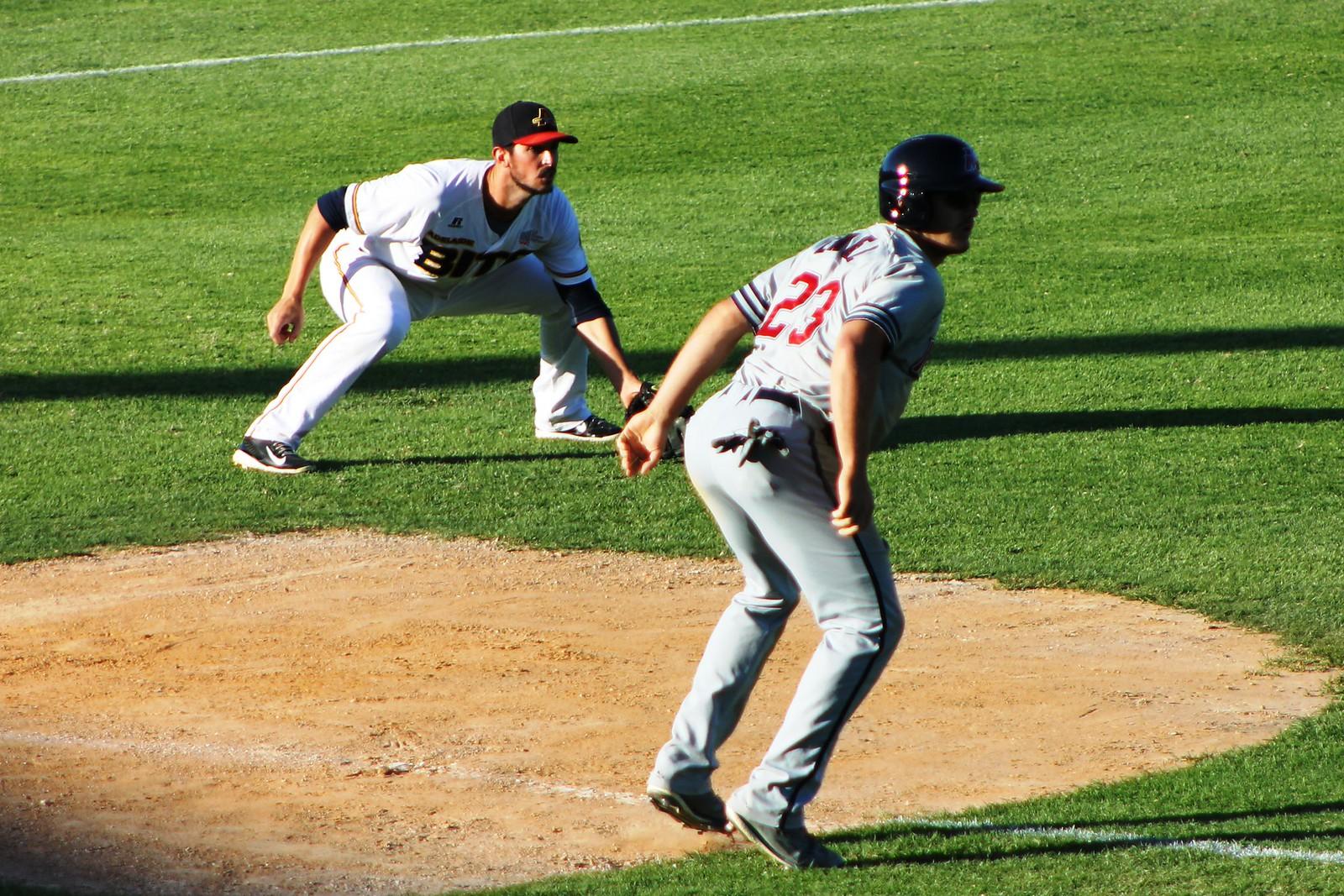
One of the weekend's standout fixtures took place Saturday morning at the South Terrace courts, where the Adelaide University Firebats hosted a junior mixed-gender competition that has grown from two teams in 2022 to eight teams today. Parents packed the bleachers, many volunteering as referees and canteen workers. The Firebats' club captain, who has helped coordinate the program since its inception, described the expansion as organic but fragile: reliant on a core group of unpaid organisers whose time is increasingly squeezed by work and family commitments.
That fragility is the underreported truth of the grassroots movement. For every successful club, there are three struggling to find a coach or a committee member. The South Australian Amateur Soccer League, which oversees dozens of suburban clubs, reported last month that nearly a third of its member clubs began the 2026 winter season without a full slate of executive office bearers. Volunteer burnout remains the single greatest threat to the community sport ecosystem, and no amount of goodwill alone can fix it.
What comes next will depend on whether city councils, state government and philanthropic bodies can match the energy of local volunteers with structural support, funding for clubhouse upgrades, lights, and canteen equipment; streamlined grant processes; and, crucially, recognition that the work of amateur sport administration is real work that deserves real backing. For now, the weekend rolls on. Kids pull on jumpers. Parents pour tea. And across Adelaide, the grassroots story writes itself, game by game.