Adelaide’s running and fitness infrastructure is getting a serious workout as participation numbers push past pre-pandemic levels and new developments reshape the city’s sport landscape.
The surge matters because Adelaide is positioning itself as a major sport and events destination ahead of the 2030s. With a population now topping 1.5 million, the demand for well-maintained ovals, shared paths and public fitness zones is no longer a nice-to-have-it’s a competitive necessity for a city that wants to attract national championships and keep locals moving.
Parks, paths and precincts getting the upgrade treatment
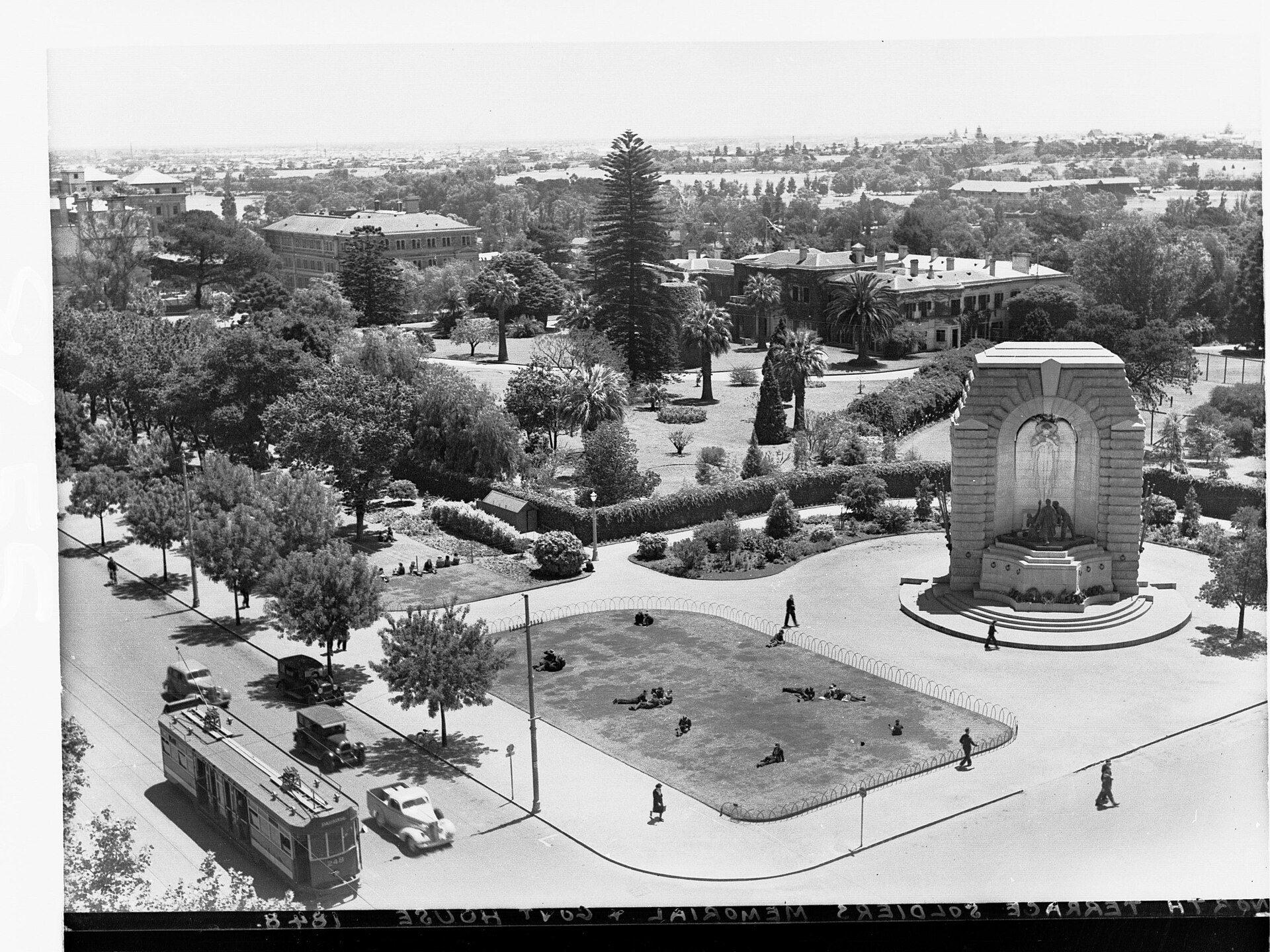
At the heart of the system is the Adelaide Park Lands, a 900-hectare green belt that hosts everything from casual joggers to the formal Adelaide parkrun series. The state government recently committed $4.8 million to upgrade lighting and resurface sections of the River Torrens Linear Park path, a key artery stretching from the city fringe to West Beach. That route alone carries an estimated 18,000 runners and walkers each week, according to city council data from early 2026.
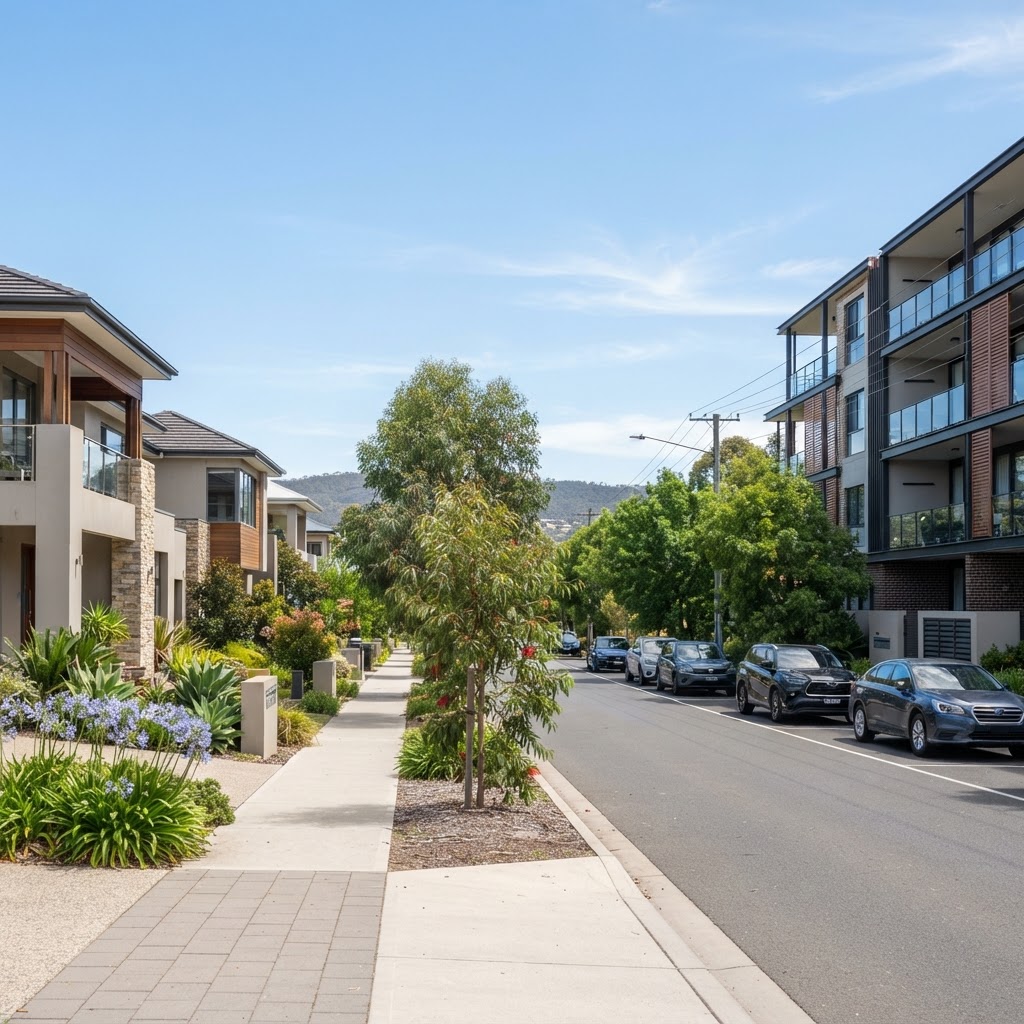
Down south, the Brighton to Seacliff shared-use path-part of the broader Coast Park network-is being widened by 1.5 metres in a $3.2 million project due to wrap up later this year. Council documents cite a 40 percent increase in combined pedestrian and cyclist traffic since 2021. The path connects to the newly refurbished Brighton Jetty and the popular Seacliff SLSC, making it a magnet for weekend warriors and fitness groups.
North of the city, the Gawler Oval redevelopment, completed in March 2026, added a 400-metre synthetic running track and floodlighting that extends training hours into the evening. The facility now hosts the Gawler Athletic Club’s weekly meets, which drew an average of 220 participants last month, up from 140 two years ago.
What happens next
Infrastructure planning doesn’t stop with the current round of upgrades. The state’s 30-Year Plan for Greater Adelaide identifies 12 new district-level sport and recreation precincts in growth corridors such as Mount Barker, Two Wells and Aldinga. The first of those, the Mount Barker Regional Sports Complex, is set to open its initial stage-including a 2.2-kilometre loop trail and a fitness station-in late 2027.
For everyday runners, the practical takeaway is simple: the city’s most popular routes are becoming safer, better lit and more connected. But with more people arriving and more events on the calendar, the pressure to deliver won’t ease. As local councils finalise their budgets for the 2026-27 financial year, community groups are already lobbying for a dedicated running track in the inner-north suburbs, where the closest athletics facility is currently a 20-minute drive away.
Adelaide’s running infrastructure isn’t just keeping up. In key corridors, it’s finally pulling ahead.
About this article●Beta
Published by The Daily Adelaide
Covering sport in Adelaide. This article was generated by AI, under human editorial accountability and risk-based review and our reasonable editorial care. Sensitive material is held for human review before publication. See our reasonable editorial care.
Beta: AI-assisted and human-overseen. Details may be imperfect, so please verify anything important.