Sport
Youth Sports Participation Trends Offer Clues to Adelaide Fitness Culture
Patterns in how young residents engage with organised activity point to shifting priorities around health and community involvement.
2 min read
Updated 3 h ago
Sport
Patterns in how young residents engage with organised activity point to shifting priorities around health and community involvement.
2 min read
Updated 3 h ago
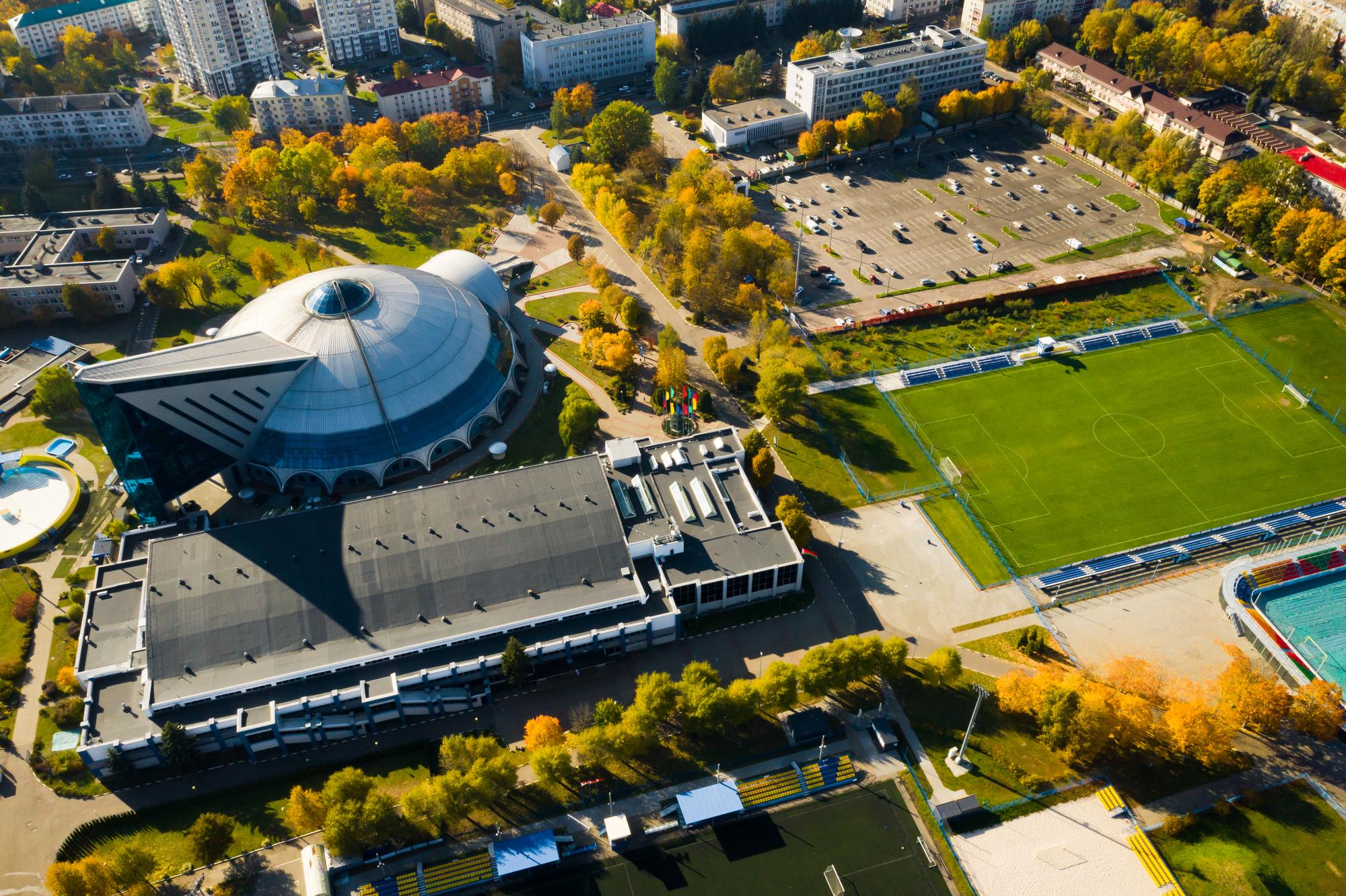
Observers tracking youth involvement across Adelaide note steady interest in a mix of team and individual pursuits that shape daily routines for many families.
This focus on participation numbers arrives as broader conversations about physical wellbeing gain attention in the city. Local groups that run regular sessions report consistent sign-ups, which in turn influence how schools and councils plan facilities and schedules. The timing aligns with national discussions on childhood activity levels, making local figures relevant for planning future programs.
Across suburbs and parks, young people divide time between structured clubs and casual play. Some neighbourhoods see regular weekend gatherings while others emphasise after-school options. These choices reflect available space and family schedules rather than any single directive. Adelaide's overall sport scene supports multiple formats, allowing different groups to find suitable outlets without heavy competition for the same resources.
Coaches and organisers describe a balance between competitive leagues and introductory classes. The former attract those seeking regular matches, while the latter draw newcomers testing interest. This spread helps maintain involvement across age groups and reduces drop-off when school demands increase.
Available records indicate participation holds relatively even across several years, with modest growth in non-team activities such as running groups and skill-based workshops. Such patterns suggest residents value flexibility alongside traditional club structures. Fitness culture here appears practical, centred on accessible sessions that fit around work and study rather than elite pathways alone.
Qualitative accounts from program leaders highlight repeat attendance when activities remain affordable and close to home. Transport links and shared facilities play a role in keeping numbers stable. These elements combine to create an environment where physical activity stays part of ordinary life for many young people.
Continued monitoring by local bodies will help identify which formats retain interest longest. Families can check council listings or school noticeboards for current options and adjust based on their own schedules.

Sport

Sport
Sport
Sport

Sport

Sport
About this articleBeta
Published by The Daily Adelaide
Spread the word
Daily brief
Free, in your inbox before 7am. Weekdays.
The Daily Network — local news across Australia