Adelaide's amateur leagues are booming. The data shows we're a city that plays
New participation figures from community sport organisations paint a picture of a city that hasn't just returned to play, it's redefined what play looks like.
AI-assisted journalism under human editorial accountability and risk-based review. AI may assist with research, summarising and drafting. Where public source links underpin the article, they are shown below. Sensitive material is held for human review; some lower-risk material may be published automatically after sourcing, accuracy and safety checks. The Daily Adelaide covers Adelaide news. It is provided for general information only and is not professional, legal, financial, or medical advice. Read about our editorial care →
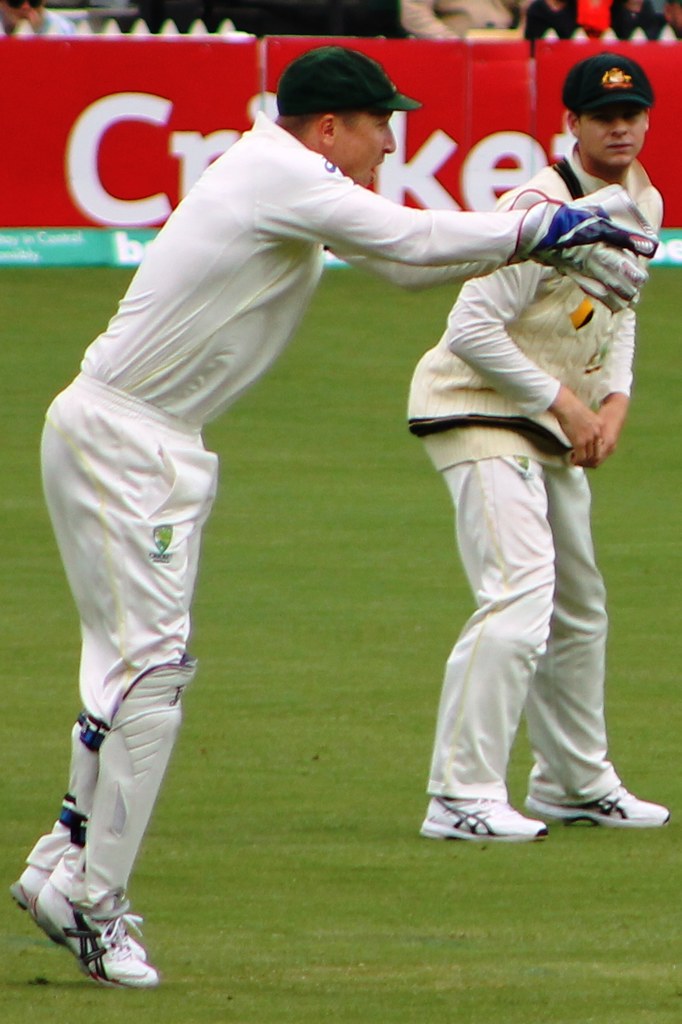
Adelaide's amateur sports leagues have posted record participation numbers for the first half of 2026, with registration data from community clubs across the city showing a surge in adult recreational competition that tells a broader story about the city's fitness culture. While national headlines have been dominated by professional tennis at Wimbledon and AFL finals chatter, the quiet revolution happening on suburban ovals and netball courts may be more telling about how Adelaide actually lives.
The numbers game
Registrations across the Adelaide metropolitan amateur sporting network, including community soccer, netball, Australian rules, touch football and basketball, have climbed to levels not seen since before the pandemic disruptions, according to figures compiled by multiple district sporting associations. The growth isn't uniform. Weekend social mixed-netball leagues in the western suburbs have seen a 40 per cent increase in team entries since 2022. Men's over-35 soccer in the northern districts has expanded by two full divisions. Women's community Aussie rules in the southern foothills now fields more senior teams than the junior program for the first time.
The data suggests something beyond a simple bounce-back. Clubs that scrapped reserved grade rosters during the COVID years have had to re-establish them, and several have had to cap teams because oval floodlights and canteen volunteers can only stretch so far. Park 16 in the city's east and the Flinders University playing fields are booked solid on Tuesday and Thursday nights until March 2027, according to council booking records.
What the boom tells us about how Adelaide moves
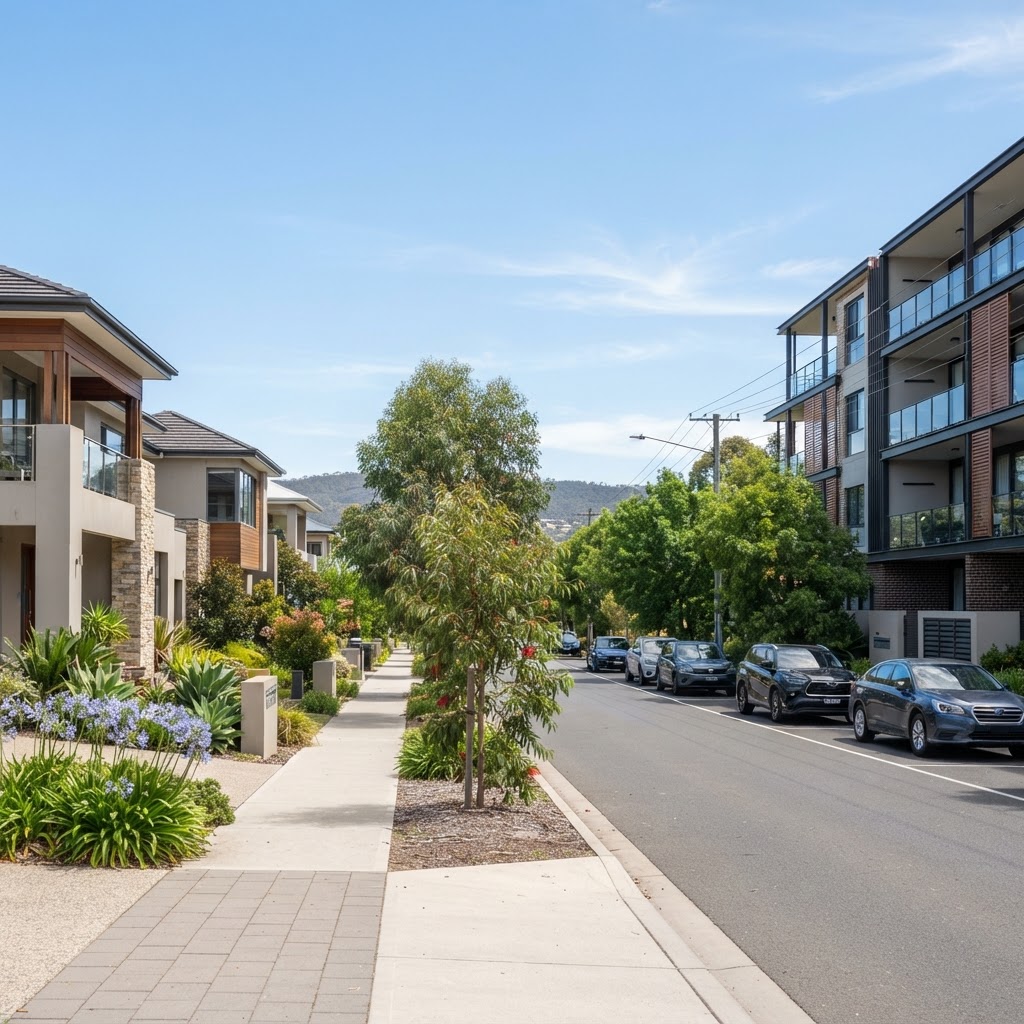
Fitness industry observers point to two drivers. The first is the shift to hybrid work patterns that have freed up weekday evenings for people living in suburbs such as Unley, Prospect and Edwardstown. With fewer commuters spending two hours a day in a car, the logic goes, there's more capacity to commit to a Tuesday night training session. The second factor is the maturation of social-sport formats, shorter games, mixed-gender rules, no training requirements, that have lowered the barrier for people who never saw themselves as athletes.
The evidence of this cultural shift is visible in the demographic breakdown. Participation growth is strongest among the 28-to-45 age bracket, the group most likely to have young children and demanding careers. That runs counter to the assumption that amateur sport is primarily for school leavers and retirees. Clubs in the Burnside and Mitcham council areas report that about 60 per cent of new adult registrants in 2025-26 had never played organised community sport as adults before.
The practical challenge now facing the city's sporting infrastructure is acute. Clubrooms built in the 1990s struggle to accommodate separate men's and women's change rooms for concurrent matches. Several community clubs in the Port Adelaide region have begun fundraising campaigns for lighting upgrades to allow games to start later, squeezing an extra timeslot into the evening. The City of Adelaide's sport and recreation strategy, currently under review, is expected to address the spatial strain when it is presented to council later this year.
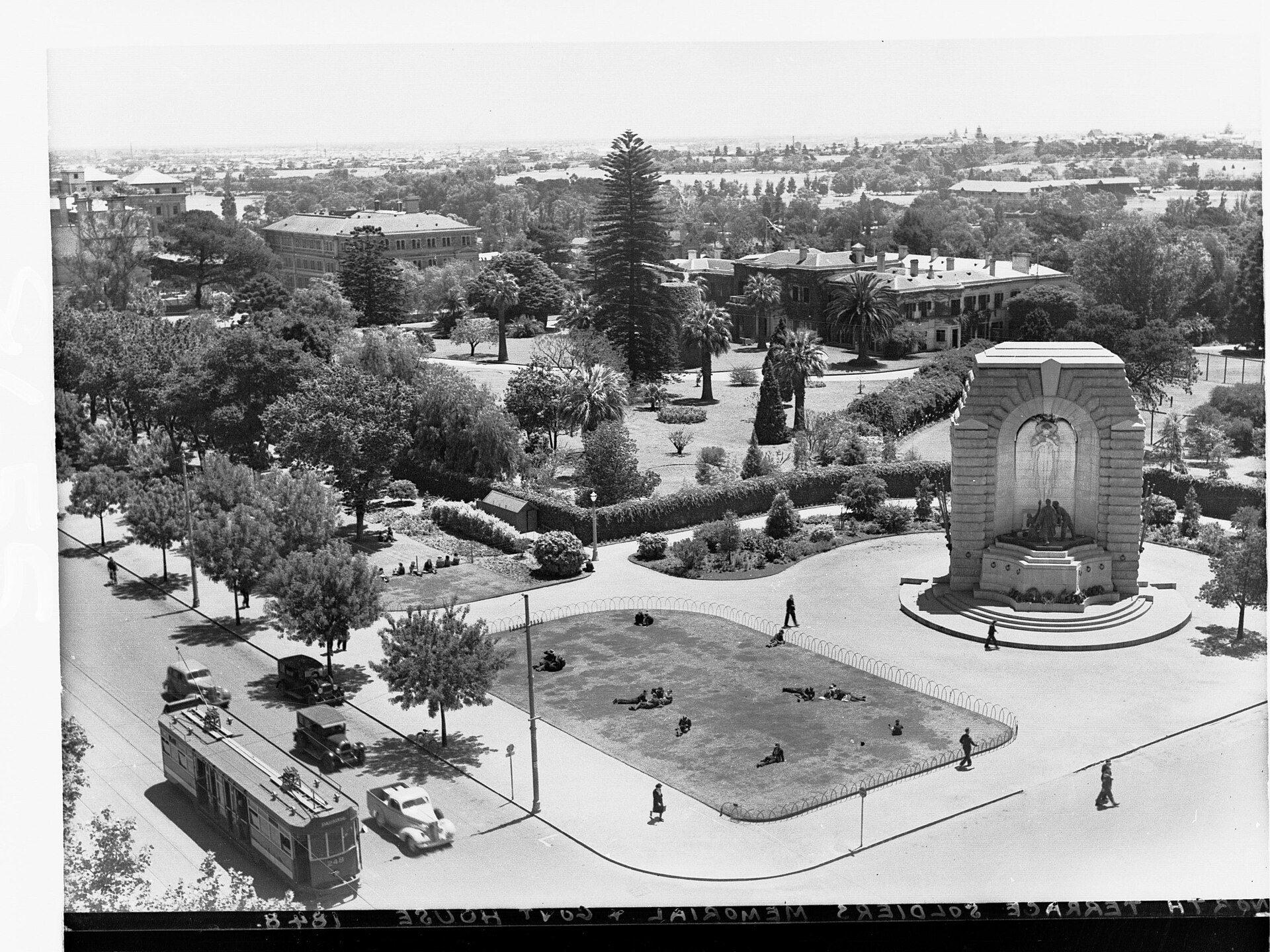
Adelaide has long marketed itself as the City of Churches, but the registrations data suggests a different identity is taking hold. For residents thinking of dusting off the boots, the message from the clubs is simple: teams are scrambling for players, and the first session is almost always free. The window to join before the spring competition draw locks in closes in about five weeks.
Covering sport in Adelaide. This article was generated by AI, under human editorial accountability and risk-based review and our reasonable editorial care. Sensitive material is held for human review before publication. See our reasonable editorial care.
Beta: AI-assisted and human-overseen. Details may be imperfect, so please verify anything important.
Spread the word
Share
Daily brief
Enjoyed this? Wake up to Adelaide news every morning.
The Adelaide local brief — free, every morning
Free daily Adelaide email brief. By subscribing you consent to receive it; unsubscribe anytime. Briefs are produced with AI assistance and edited by a human editor.