Sport
From grassroots to glory: How Adelaide clubs are building more than just teams
Across the city, local sport clubs are becoming community anchors, and the numbers show it’s working.
3 min read
Updated 3 h ago
Sport
Across the city, local sport clubs are becoming community anchors, and the numbers show it’s working.
3 min read
Updated 3 h ago
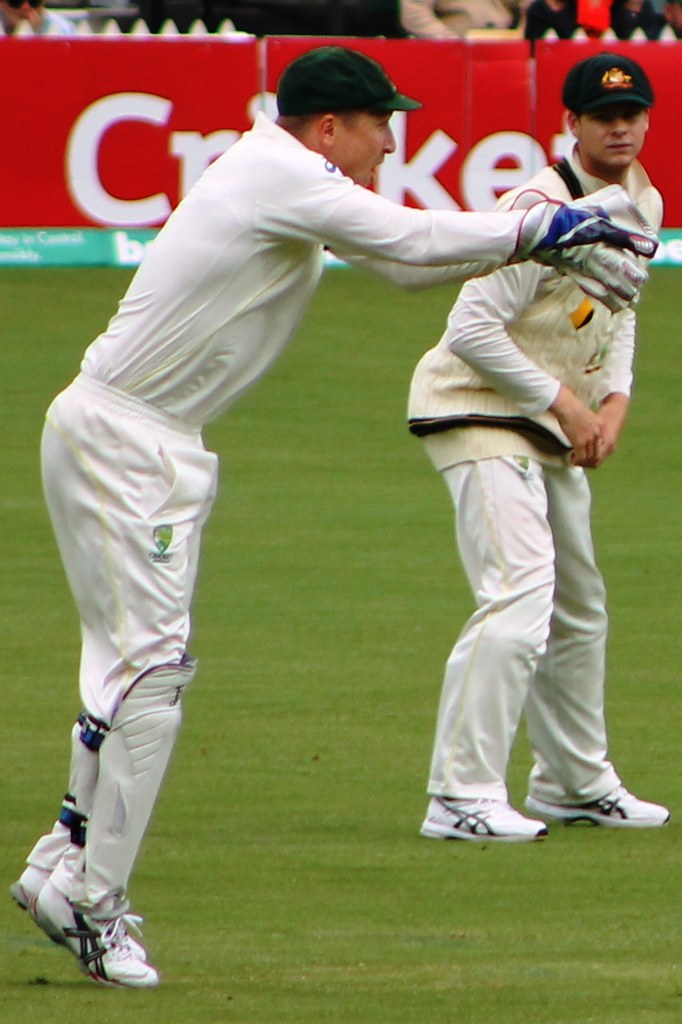
Adelaide’s local sporting clubs are posting record participation numbers this winter, with several associations reporting waiting lists for junior teams for the first time in a decade. The South Australian Netball League, for example, has seen a 22% jump in registrations since 2024, according to league figures shared with clubs last month. At the same time, community football codes are reporting similar surges, with local clubs in suburbs like Prospect and Marion fielding extra sides just to meet demand.
This isn’t just about sport. It’s about what happens when clubs become the centre of neighbourhood life, offering Friday night barbecues, mentoring programs and a place for families to connect away from screens. The trend has been building since the post-pandemic recovery period, but this winter marks a tipping point: clubs are no longer just surviving, they are thriving.
At the South Adelaide Netball Club in St Marys, committee members told The Daily Adelaide that junior registrations have doubled since 2022. The club now fields Under-11s through to Under-17s, plus a senior Premier League team that trains three nights a week at the St Marys Indoor Centre. Across town, the Payneham Football Club reported a 15% increase in senior player numbers this season, which president Karen Miller described as “unprecedented” in the club’s 30-year history. The club has also relaunched its women’s side, which now has 28 registered players.
What is driving this? Club officials point to low-cost registration schemes and a push by the state government’s Office for Recreation, Sport and Racing to fund free “come and try” days. In April, the office announced a $1.2 million grant round for community clubs, with individual grants of up to $15,000 available for equipment and coaching. The Payneham club used its grant to hire a part-time junior development officer, a move that has already added 40 kids to its Auskick program.
The social dividend is harder to quantify but just as important. At the Adelaide University Soccer Club, which plays at the University of Adelaide’s Park 10 fields, the club runs a weekly homework club for junior players from migrant backgrounds. On Monday nights, about 30 children aged 8 to 14 gather in the clubrooms with tutors from the university’s education faculty. Club secretary Tom Nguyen said the program began informally in 2024 after a parent mentioned her son was struggling with maths; it now has a waiting list of 12 children.
Similar stories emerge from the Kensington District Cricket Club, which during the winter off-season hosts a community garden on its oval. Members grow vegetables that are donated to the Kensington Community Centre food pantry. Last month, the garden produced 60 kilograms of tomatoes and zucchini. The club’s president, a local GP, said the project was designed to address food insecurity, an issue that affects about one in 10 households in the suburb, according to a 2025 report by the South Australian Council of Social Service.
What happens next is less clear. Club leaders say they are stretched thin, with volunteer burnout a constant threat. The South Australian Office for Recreation, Sport and Racing is expected to release its next round of community grants in September, and many clubs will apply. For now, the story across Adelaide is one of cautious optimism: clubs are growing, and the community is growing with them.

Sport

Sport
Sport
Sport

Sport

Sport
About this articleBeta
Published by The Daily Adelaide
Spread the word
Daily brief
Free, in your inbox before 7am. Weekdays.
The Daily Network — local news across Australia