Sport
The grassroots story behind the community sport movement
While the world focuses on the marquee stages of the World Cup and MLB, the foundations of local athletics are bracing for a period of profound uncertainty.
2 min read
Updated 1 h ago
Sport
While the world focuses on the marquee stages of the World Cup and MLB, the foundations of local athletics are bracing for a period of profound uncertainty.
2 min read
Updated 1 h ago
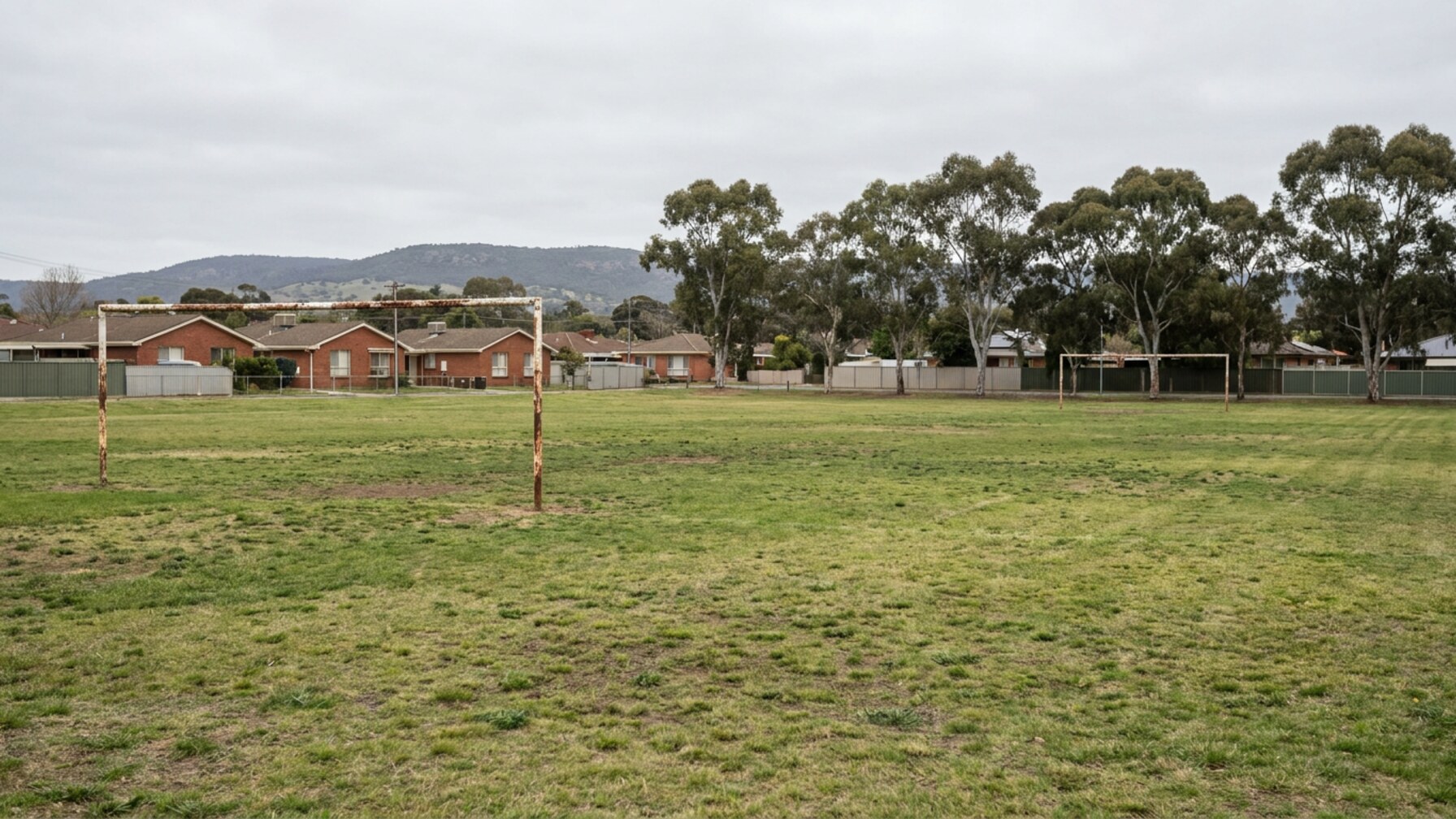
The connection between elite competition and local sport participation is fraying in Adelaide this July. While screens across the city are tuned into the World Cup semi-finals in Atlanta, the structures supporting junior and community athletics are facing significant friction. Internal industry tension, highlighted by labor disputes in the A-League, is sending ripples of concern through the regional sporting ecosystem.
The current impasse surrounding the A-League collective bargaining agreement has placed the future of the upcoming season in a precarious position. When professional leagues struggle to secure stable agreements, the impact is rarely confined to the top flight. Community clubs that rely on the visibility, funding, and developmental pathways provided by professional organisations now face a season of ambiguity. The professional game serves as an engine for interest, but as the post-tournament glow fades, those grassroots programs find themselves caught in a wider tug-of-war over compensation and control.
These systemic pressures are being felt as the sporting world grapples with shifting operational standards. In baseball, the public disagreement between the MLBPA and league leadership regarding the structure of salary caps and incentive packages illustrates a broader trend: a move toward centralized control that often leaves community-level participation as an afterthought. This shift complicates the efforts of local organisers to recruit and retain athletes at the amateur level, as the professional product becomes increasingly synonymous with commercial disputes rather than athletic merit.
Industrial sustainability is currently the central issue for athletic associations across the country. In sectors like industrial manufacturing-evidenced by the recent development of low-carbon steel production facilities in Queensland-success is predicated on long-term investment. Sport, by contrast, is seeing a contraction of investment as administrative costs rise and labor relations sour. The community sport movement is attempting to navigate these waters with limited institutional backing.
For those managing local athletics in Adelaide, the immediate outlook requires a focus on internal retention rather than external growth. As professional leagues work through their respective labor crises, local clubs must emphasize the intrinsic value of community-based engagement to maintain their rosters. Without a resolution to the systemic issues currently stalling the A-League or the broader disagreements dominating professional baseball, the gap between the professional ideal and the amateur reality is likely to widen in the coming months.

Sport

Sport
Sport

Sport

Sport

Sport
About this articleBeta
Published by The Daily Adelaide
Spread the word
Daily brief
Free, in your inbox before 7am. Weekdays.
The Daily Network — local news across Australia