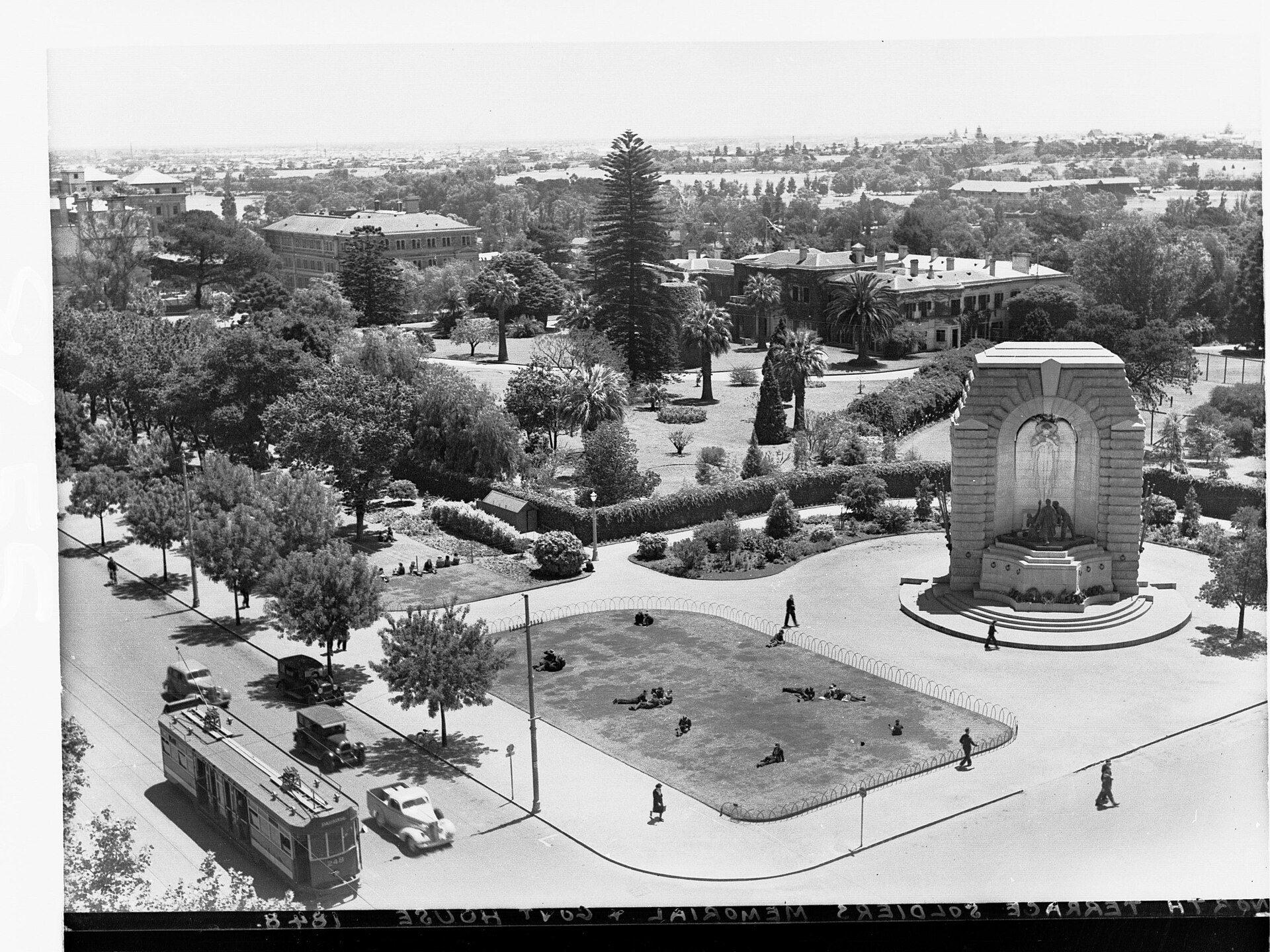
It started with a WhatsApp group and a promise to meet at the park bench near the rotunda in Bonython Park every Saturday at 7am. Eighteen months later, that same group, now called the River Torrens Runners, has pulled more than 400 people through its free weekly sessions and inspired two spin-off clubs in the northern and southern suburbs.
The grassroots running boom in Adelaide is not a product of marketing campaigns or council initiatives. It is being built, block by block, by volunteers who simply decided to show up and invite others along.
The timing matters. On the same day the Guardian reported that strike action threatens the new A-League season and that Australia's post-World Cup glow is again fading too fast, the contrast with community sport could hardly be starker. While professional leagues haggle over collective bargaining agreements and broadcast rights, unpaid run leaders in Adelaide are setting up water stations in parklands and mapping out new 5-kilometre loops through suburban streets, no contracts, no disputes, just runners.
No fees, no faff: the pull of the free club
Bonython Park, which hugs the River Torrens between the city and North Adelaide, has become something of a hub. On any given Tuesday evening, groups of 30 to 60 runners gather near the footbridge, split into pace groups and head west along the river toward the breakwater at Port Road before looping back. The only cost to participants is a pair of shoes.
Similar scenes play out at Ellis Park in Goodwood, where a Tuesday night track session draws around 50 people, and along the coastal path from Glenelg to Brighton, where a Saturday sunrise group has swelled to more than 120 runners on peak weekends.
The model is deliberately low-barrier: no membership forms, no mandatory insurance, no structured coaching. Groups rely on word of mouth, a public Instagram account and a shared Google Calendar. When one of the River Torrens Runners' regular leaders, a nurse at the Royal Adelaide Hospital, had to skip two months due to night shifts, three other members stepped in to keep the sessions running without missing a single week.
Why runners keep coming back
The evidence that this model works is anecdotal but compelling. Organisers of three separate groups told The Daily Adelaide that they have seen consistent growth of roughly 15 to 20 new runners per month since the start of 2025, with attrition rates far lower than commercial gyms report. One group, the Coastal Pacers, started with 12 people in January 2024 and now has an active WhatsApp community of more than 300 members.
Participants cite two main draws: the social accountability of a group start time, and the complete absence of financial pressure. “You can't put a price on just being able to rock up and run,” one organiser, who asked not to be named because she is not authorised to speak on behalf of her group, said. “No one is selling you anything. You just run.”
The movement has also begun to feed into organised events. Several members of the city-based groups have used their Wednesday night long runs as training for the Adelaide Marathon in August, and a contingent of 30 runners from three different clubs are planning to carpool to the Barossa Half Marathon in October.
For now, the groups plan to keep doing what they are doing: turning up, rain or shine, by the same park bench or footbridge, and letting anyone who wants to run join in. No one is applying for grants or lobbying the council for facilities. The only infrastructure they need is a path and a start time.