Adelaide's gigabit future is arriving faster than most expected. But the fibre that promises to unlock remote surgery, automated factories and seamless streaming also opens the door to unprecedented surveillance, algorithmic discrimination and a widening gap between the connected and the left behind.
The push comes as the federal government's $2.4 billion Full Fibre Upgrade program, part of the broader National Broadband Network expansion, reaches the final exchanges in Adelaide's northern suburbs. By early 2027, more than 90 per cent of metropolitan homes will have access to gigabit-speed connections. Yet the same infrastructure that lets a surgeon in North Adelaide guide a robot arm in Whyalla also lets internet providers see every packet of data, every website visit, every smart-home ping.
Ethical creep in the pipes
At the University of Adelaide's Australian Institute for Machine Learning, researchers are already testing algorithms that could sit inside network hardware to detect fraud in real time. The same technology, they warn, could be repurposed by broadband providers to profile customers for insurance risk or targeted advertising, without explicit consent. Professor Simon Lucey, the institute's director, told The Daily Adelaide that the industry lacks a clear ethical framework for handling the granular data these networks collect.
The concerns aren't theoretical. In March, the Office of the Australian Information Commissioner opened an investigation into an unnamed Adelaide ISP following complaints that customer browsing data was being used to determine which streaming services ran smoothly during peak hours. The practice, known as zero-rating, lets providers prioritise certain content while effectively degrading others. It's legal but ethically slippery, especially when the criteria isn't transparent.
The divide deepens
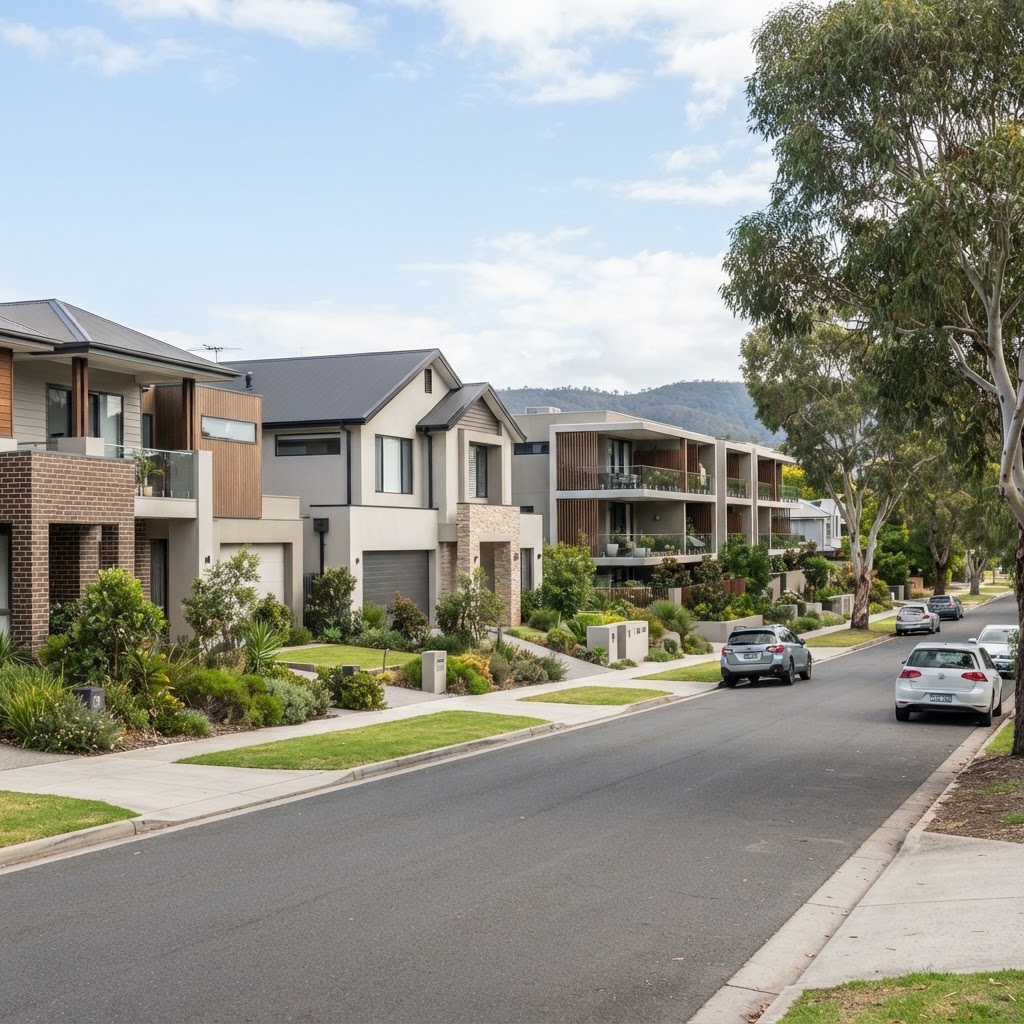
Meanwhile, community groups in Elizabeth and Davoren Park say the fibre rollout has skipped some low-income streets, leaving residents reliant on ageing copper lines that deliver a fraction of the speed available two suburbs over. The Digital Inclusion Index, published by the South Australian Council of Social Service in June, found that 23 per cent of households in Adelaide's outer north lack broadband speeds adequate for simultaneous video conferencing and online learning, a threshold most white-collar families take for granted.
Bridget Mather, a digital equity advocate with the City of Salisbury, said the gap is becoming a class divide. “If you can afford a premium plan you get low latency, priority routing and guaranteed speeds,” she explained. “If you can't, you get buffering. That's not infrastructure failure. That's policy failure.”
On the flip side, the promise remains real. SA Health's telehealth program, which uses dedicated NBN links for specialist consultations, has cut waiting times for dermatology appointments in Port Augusta by 40 per cent since 2024. The same network lets farmers in the Riverland monitor irrigation systems via smartphone. The problem, advocates say, is that the benefits are distributed unevenly, and the risks are distributed universally.
Adelaide City Council is expected to debate a new digital rights charter in August that would require any company using city-owned fibre ducts to disclose how customer data is handled. The proposed ordinance, drafted after a year of consultation with the Australian Privacy Foundation, would also ban the use of network metadata for anything other than network management and billing.
For now, most households simply plug in and hope for the best. But as smart homes, autonomous vehicles and AI assistants multiply, the ethical questions inside the pipe will only get louder. The cables are laid. The debate about what runs through them has barely begun.