Five Breathwork Techniques for Instant Calm During a Stressful Day
When your inbox is overflowing and your lunch break has vanished, these evidence-backed breathing methods can reset your nervous system in under five minutes.
AI-assisted journalism under human editorial accountability and risk-based review. AI may assist with research, summarising and drafting. Where public source links underpin the article, they are shown below. Sensitive material is held for human review; some lower-risk material may be published automatically after sourcing, accuracy and safety checks. The Daily Adelaide covers Adelaide news. It is provided for general information only and is not professional, legal, financial, or medical advice. Read about our editorial care →
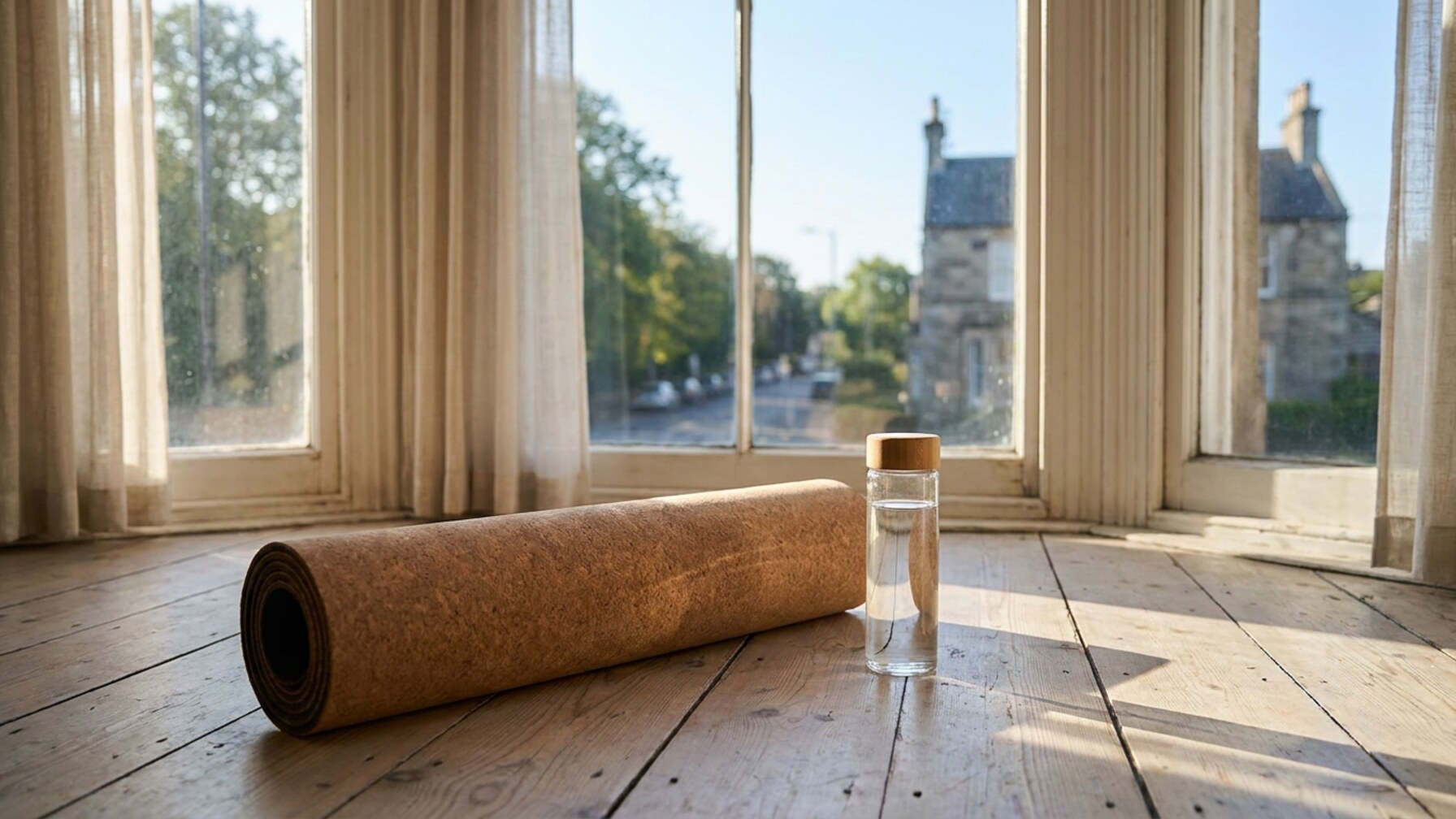
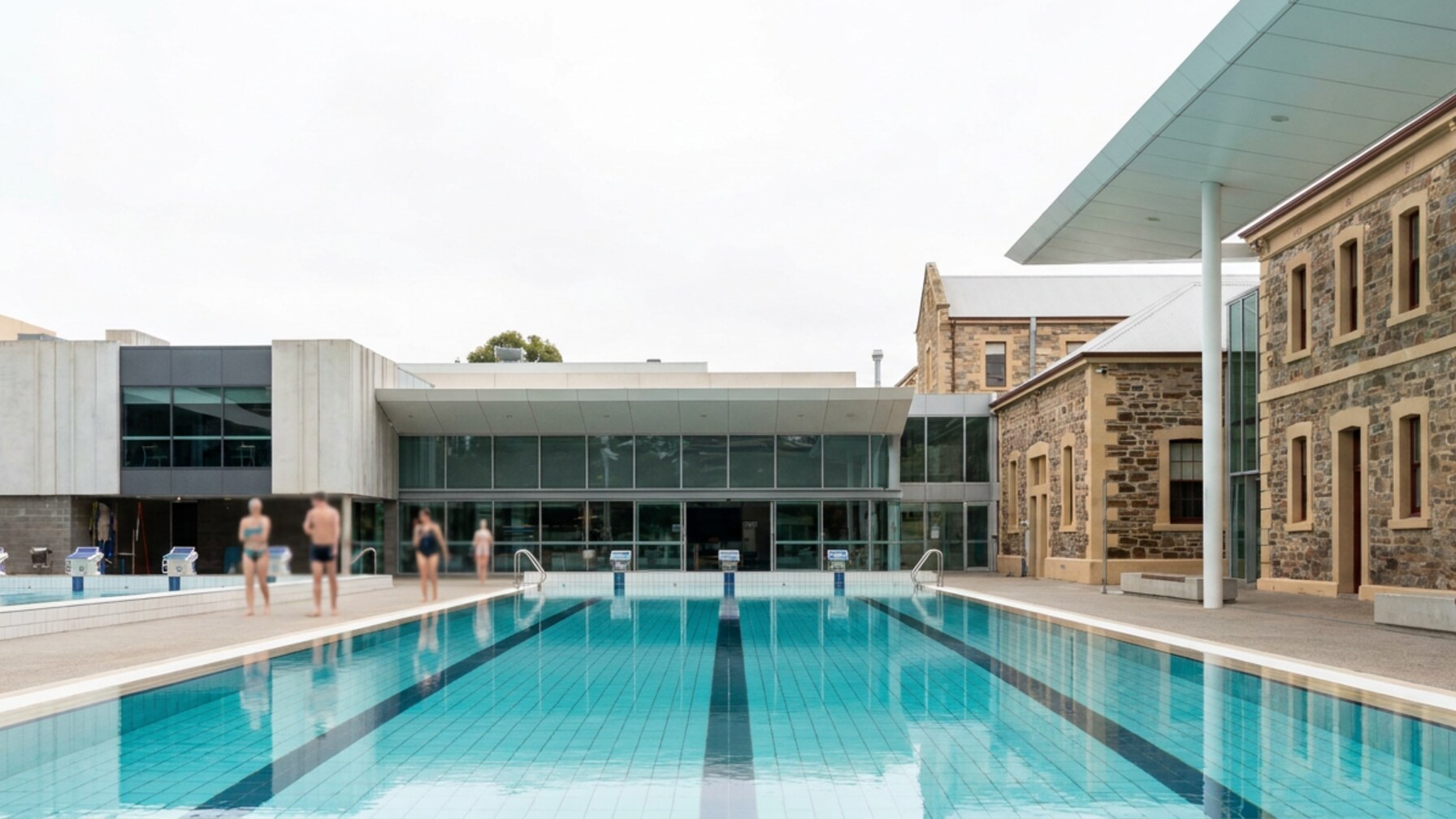
AI-generated illustration
Stress isn't abstract. It sits in your shoulders at a desk on Pirie Street, it crawls up your neck on the Gawler Place tram platform, it tightens your chest in the queue at the Central Market on a Saturday morning. And while Adelaide has no shortage of yoga studios and wellness retreats, the most effective tool for instant calm costs nothing and goes everywhere you do: your breath.
Breathwork, deliberate manipulation of breathing rate, rhythm and depth, has moved well beyond meditation retreats and into mainstream clinical practice. The interest is timely. Australians are navigating cost-of-living pressures, aged care anxieties and a broader cultural unease that has pushed mental health higher up the national conversation in 2026. Practical, immediate tools for managing day-to-day stress are no longer a luxury interest; they're a public health priority.
What the Evidence Says
Research published in the journal Cell Reports Medicine in 2023 found that a daily five-minute practice of cyclic sighing, a specific breathing pattern involving a double inhale through the nose followed by a long exhale through the mouth, outperformed mindfulness meditation and other breathing techniques for reducing self-reported anxiety and improving mood over a 28-day period. The study involved 114 participants and was conducted by researchers at Stanford University. That's not a wellness influencer's claim, it's a peer-reviewed finding, and it matters because five minutes is a threshold almost anyone can hit.
The physiological mechanism is relatively well understood. Slow, controlled exhalation activates the parasympathetic nervous system, the body's brake pedal, by stimulating the vagus nerve. Your heart rate drops. Cortisol production slows. The prefrontal cortex, responsible for rational decision-making, regains dominance over the amygdala's threat response. You can do this sitting at a café on Rundle Mall or on a bench in the Botanic Gardens.
The techniques themselves don't require any equipment or prior experience. Box breathing, four counts in, four counts hold, four counts out, four counts hold, is used by military personnel and emergency responders worldwide specifically because it works under pressure. The 4-7-8 method, developed by integrative medicine physician Dr Andrew Weil, involves inhaling for four counts, holding for seven, then exhaling for eight; practitioners report a noticeable shift in tension within two to three cycles. Physiological sigh, the cyclic sighing technique from the Stanford research, can be done discreetly at your desk. Diaphragmatic breathing, belly breathing rather than chest breathing, is the baseline that underpins most of these approaches and takes about two minutes to learn.
Finding Space to Practise in Adelaide
You don't need a studio booking to make breathwork a habit, but structured environments help beginners establish consistency. The Adelaide Botanic Gardens on North Terrace hosts free Botanic Gardens parkrun events on Saturday mornings where participants routinely use the post-run cool-down period for breathwork and stretching on the lawns near the Palm House. The Linear Park trail, running roughly 50 kilometres from the Adelaide Hills foothills through to the coast, is regularly used by walkers who build breathing pauses into their route, particularly around the Felixstow Reserve section near the Fourth Creek confluence, which offers genuine quiet on weekday mornings.
For those who prefer guided instruction, the Adelaide Meditation Centre on Hutt Street runs beginner breathwork sessions, and several allied health clinics in the inner suburbs, including practices in Norwood and Unley, now offer sessions with practitioners who integrate breathwork into stress management programs. Costs for guided group sessions typically range from around $20 to $35 per class, while many introductory workshops run through community centres such as the Thebarton Community Centre charge under $15. The free option remains simply stepping outside to Hindmarsh Square for ten minutes and running through three rounds of box breathing on a park bench.
The most important step is also the most obvious one: start today, not next week. Pick one technique, cyclic sighing is the most accessible for beginners, set a five-minute timer, and do it before the afternoon meeting rather than after the adrenaline has already spiked. If stress symptoms persist or feel unmanageable, speak with a GP or a registered psychologist. Breathwork is a genuine and well-supported tool, but it works best as part of a broader approach to mental health rather than a substitute for professional care.
Covering wellness in Adelaide. This article was generated by AI, under human editorial accountability and risk-based review and our reasonable editorial care. Sensitive material is held for human review before publication. See our reasonable editorial care.
Beta: AI-assisted and human-overseen. Details may be imperfect, so please verify anything important.
Spread the word
Share
Daily brief
Enjoyed this? Wake up to Adelaide news every morning.
The Adelaide local brief — free, every morning
Free daily Adelaide email brief. By subscribing you consent to receive it; unsubscribe anytime. Briefs are produced with AI assistance and edited by a human editor.