Wellness
Hydration in the local climate: how much and what to drink
Adelaide's dry July winds and cooler days still demand steady fluid intake to offset moisture loss from indoor heating and outdoor activity.
2 min read
Updated 58 min ago
Wellness
Adelaide's dry July winds and cooler days still demand steady fluid intake to offset moisture loss from indoor heating and outdoor activity.
2 min read
Updated 58 min ago
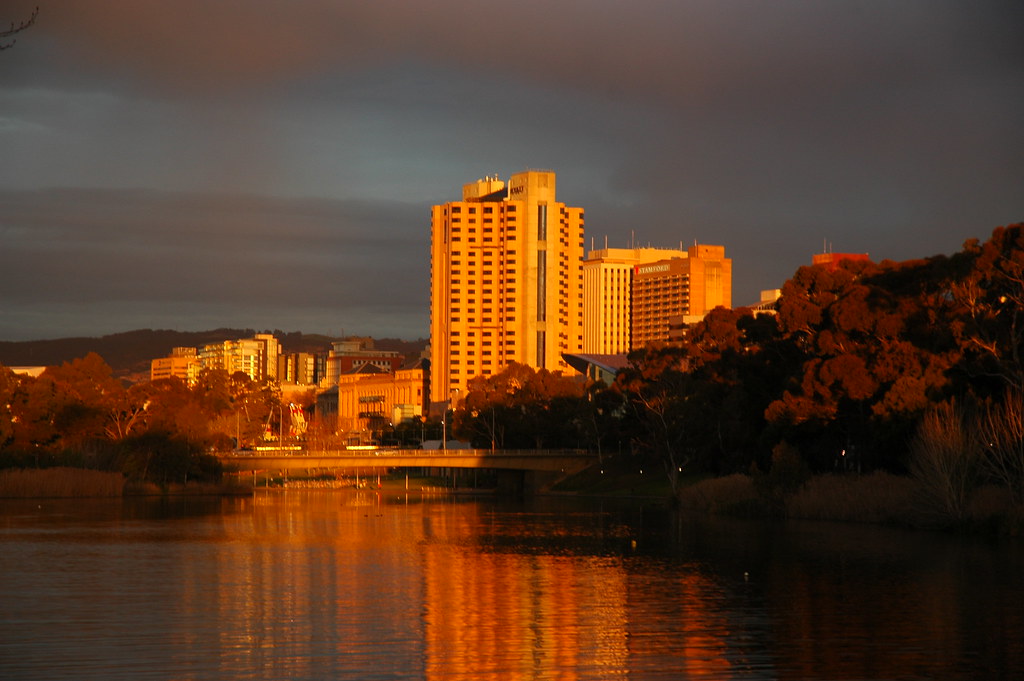
Adelaide residents should target 2.5 to 3 litres of fluids each day during winter to counter the city's low humidity and frequent 15-degree daytime highs.
Dry air and indoor heating pull moisture from the body even when temperatures feel mild, raising risks of fatigue and reduced concentration for people who walk or cycle regularly. The pattern shows up most clearly in the second week of July, when overnight lows dip below 8 degrees and residents spend more time in sealed offices or homes.
Walkers on the Adelaide Linear Park trail between the Torrens River and the foothills report needing an extra 500 millilitres by mid-morning compared with summer months. At the Central Market, stallholders selling citrus and leafy greens note steady sales of oranges and cucumbers, items locals add to water bottles for natural flavour without added sugar.
Botanic Gardens parkrun participants on Saturday mornings often carry 750-millilitre bottles filled with water and a slice of lemon from nearby stalls. Glenelg beach fitness groups meeting at 7am on Jetty Road mix in electrolyte tablets on windy days when salt loss increases despite the cool breeze. Both groups track intake on simple phone apps rather than relying on thirst alone.
SA Health data released in March 2025 recorded an average daily intake of 1.8 litres among surveyed Adelaide adults, below the recommended minimum for the region's climate. The same report listed an average retail price of $1.80 for a two-litre bottle of plain spring water at suburban supermarkets.
Start the day with 500 millilitres before leaving home, then refill at water fountains along the Linear Park path or inside the Central Market food court. Choose still water or diluted fruit infusions over caffeinated drinks after 3pm to avoid sleep disruption. Check urine colour mid-afternoon; pale yellow indicates adequate hydration for most people. Residents with ongoing health conditions should confirm targets with their usual GP or pharmacist.
Wellness

Wellness

Wellness
Wellness

Wellness
Wellness
About this articleBeta
Published by The Daily Adelaide
Spread the word
Daily brief
Free, in your inbox before 7am. Weekdays.
The Daily Network — local news across Australia