Business
Adelaide's rental squeeze: what the market shift means for your business
Commercial vacancy rates are tightening across the CBD and inner suburbs, pushing costs up just as consumer spending shows signs of strain.
3 min read
Business
Commercial vacancy rates are tightening across the CBD and inner suburbs, pushing costs up just as consumer spending shows signs of strain.
3 min read
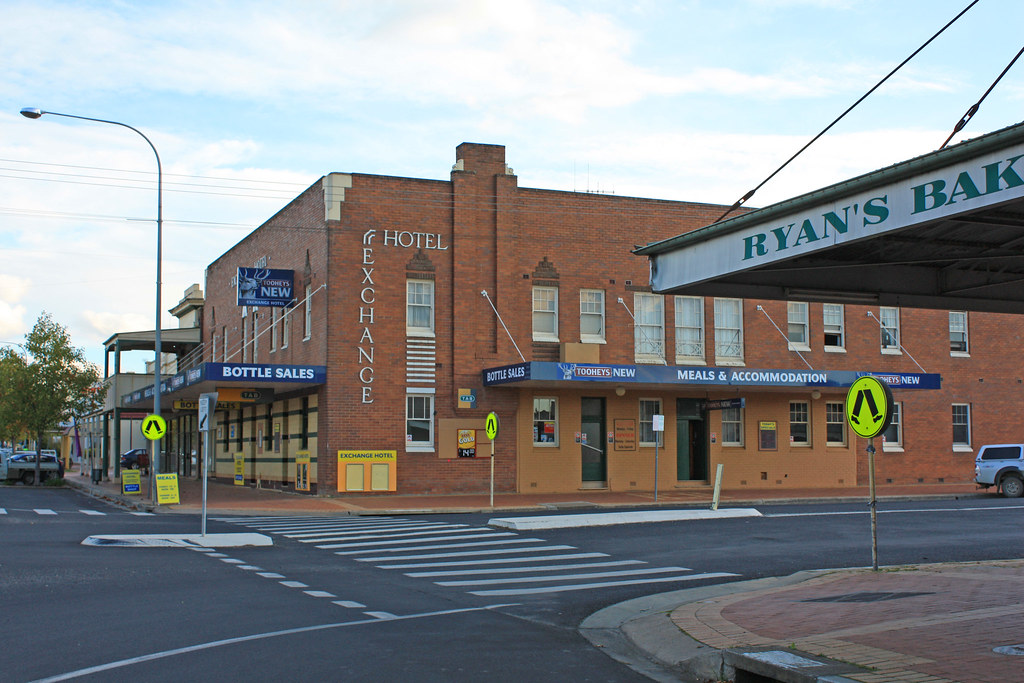
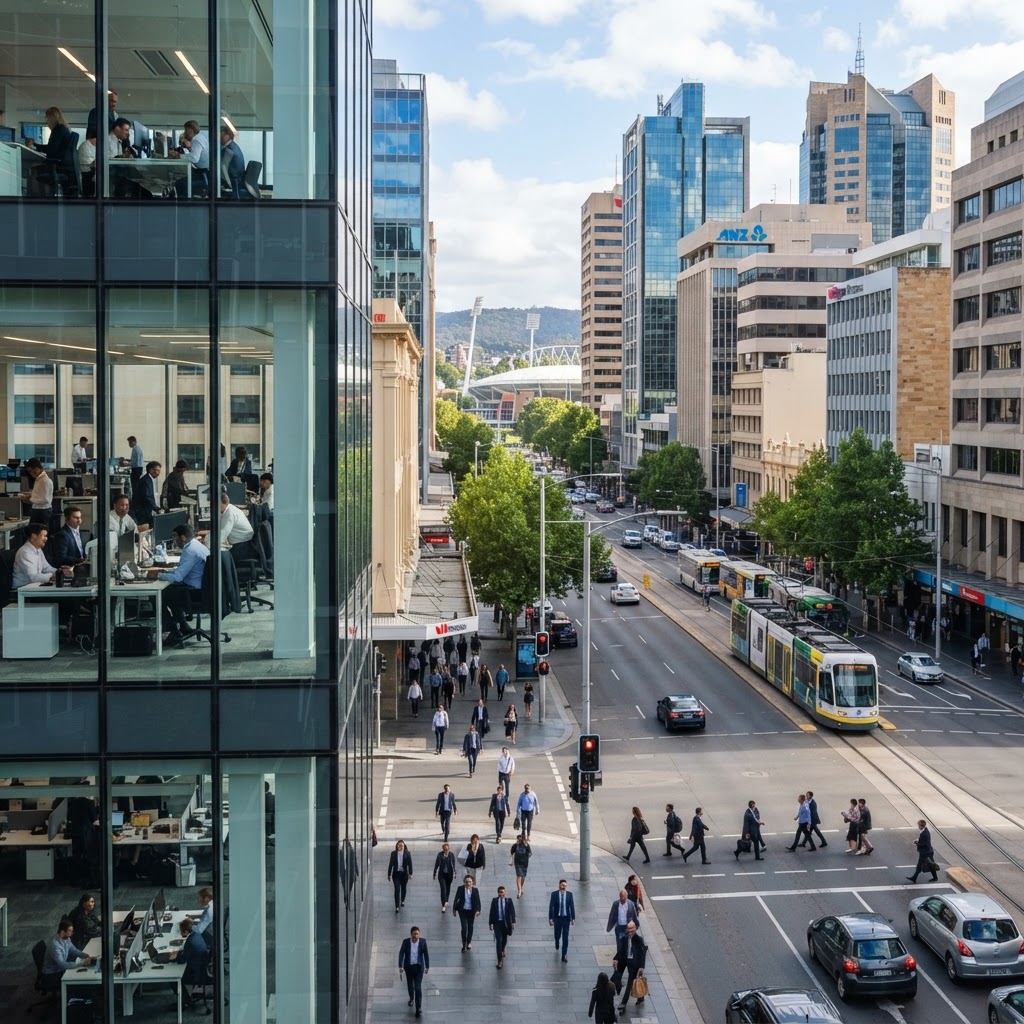
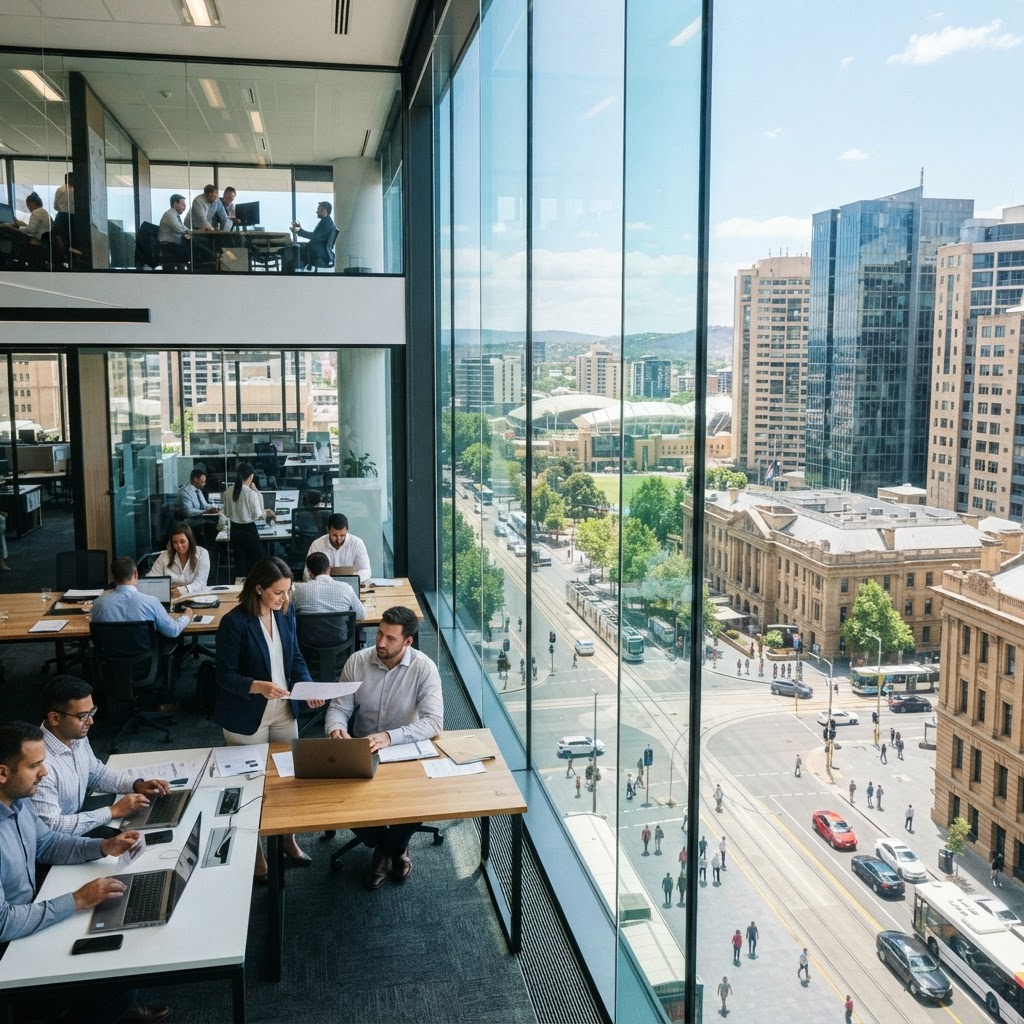
Adelaide's commercial real estate market is sending mixed signals this winter, and business owners need to pay attention. Vacancy rates in the CBD have dropped to 8.2 percent-down from 10.1 percent a year ago-while rents along Rundle Mall and the surrounding precinct are climbing faster than they have in five years. For companies hunting office or retail space, that means the window for negotiating favorable terms is closing fast.
The tightening comes at a peculiar moment. While property is becoming scarcer and pricier, consumer confidence across South Australia remains fragile. The recent Telstra outage that knocked out emergency services and payment systems across the country has left Adelaide businesses-particularly retailers and hospitality operators-nervous about infrastructure resilience and their own backup systems. That anxiety is bleeding into hiring and expansion decisions just as landlords are raising asking prices.
The transformation is most visible in Adelaide's established business corridors. King William Road in unley has become the toughest market for new tenants, with ground-floor retail now commanding $350-$420 per square meter annually-a jump of roughly 12 percent since July 2025. Meanwhile, the Wauwi precinct around Pirie Street and in Norwood has attracted younger companies seeking cheaper alternatives, pushing secondary locations to the edge of sustainability for smaller operators.
Landlords at Adelaide's older office towers-particularly those built in the 1980s and 1990s-are also feeling pressure. Buildings without modern security infrastructure or backup power systems are finding it harder to attract tenants who've grown wary of service failures. One property manager at the Grenfell Centre told colleagues this week that prospective clients are now asking specifically about redundancy in their IT and communications systems before signing leases.
The South Australian Tourism Commission has reported that hospitality operators on Hindley Street and around the Adelaide Casino precinct are facing higher fit-out costs due to increased demand for upgraded HVAC and power backup systems. That's forcing smaller venues to choose between renovation debt and locational compromise.
Here's where it gets tricky for service-based businesses. Westpac's latest consumer confidence survey for South Australia, released last month, showed households pulling back discretionary spending by an average of 8 percent compared to the first half of 2025. Rent rises are hitting commercial operators just as their customer base is tightening belts.
Retail businesses in particular are navigating a squeeze. The Australian Retailers Association's South Australian chapter noted in June that foot traffic through major shopping precincts declined 4.3 percent month-on-month, even as Easter holidays typically boost activity. For businesses paying 12 or 15 percent more in rent while serving fewer customers, the math doesn't work.
What's not helping: the nationwide telecommunications failures have prompted many Adelaide companies to review their operational risks. That's creating unexpected costs. Cybersecurity firms and backup systems installers are reporting wait times of three to six weeks for consultations and installations. If your business needs to upgrade before signing a new lease, you're either delaying your move or absorbing significant additional expenses.
Property advisors across Adelaide are telling clients to lock in long-term agreements now if they're renewing. Expect landlords to resist lock-in clauses and favor shorter terms that let them reset rents upward. If you've been delaying a decision about relocation or expansion, expect conditions to tighten further through August and September.
Business

Business
Business

Business
Business

Business
About this articleBeta
Published by The Daily Adelaide
Spread the word
Daily brief
Free, in your inbox before 7am. Weekdays.
The Daily Network — local news across Australia