Business
Retail Sector Grapples with Multiple Headwinds in Adelaide in 2026
Rising costs, supply chain disruptions, and changing consumer habits are testing Adelaide’s retail businesses amid cautious economic forecasts.
3 min read
Business
Rising costs, supply chain disruptions, and changing consumer habits are testing Adelaide’s retail businesses amid cautious economic forecasts.
3 min read
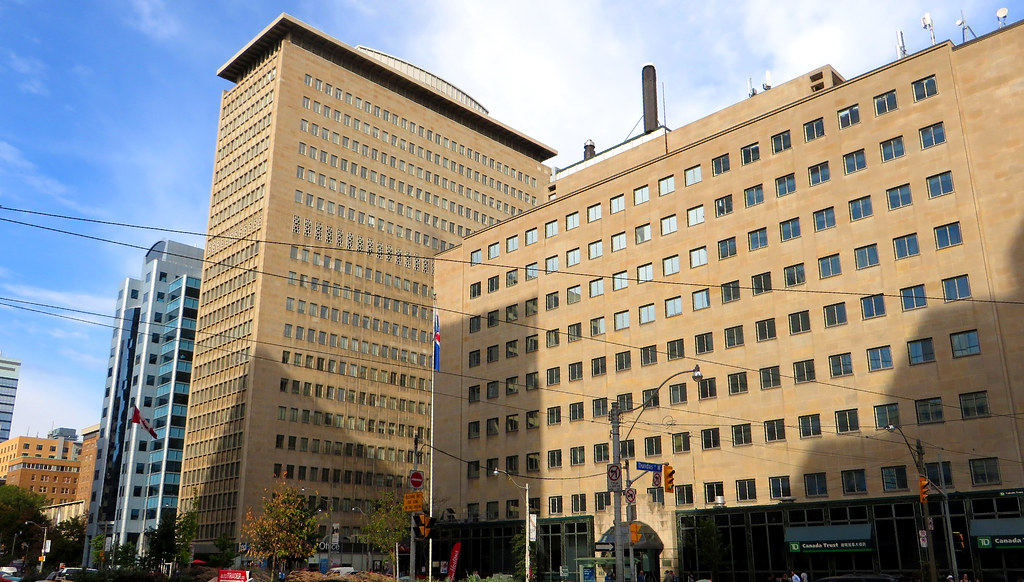
Adelaide’s retail sector is facing a tough year marked by rising operational costs, supply chain irregularities, and shifting consumer behaviour, challenging both established businesses and new entrants alike.
This sector’s difficulties come as inflationary pressures hit both landlords and retailers, with the cost of goods rising alongside utility and wage expenses. These economic factors combine to squeeze profit margins and force hard decisions on pricing, store hours, and investment in customer experience. In addition, the lingering effects of global supply chain disruptions continue to delay product availability and increase wholesale prices.
The Central Market Precinct, traditionally a vibrant hub for local produce and specialty retailers, has seen several small businesses renegotiate lease terms at South Australia’s largest fresh food market on Grote Street. The Adelaide Arcade and Rundle Mall have also experienced a slower foot traffic trend during the first half of 2026 compared to previous years, influenced by consumers’ cautious spending habits and the growth of e-commerce alternatives.
Retail SA, the industry peak body headquartered in Pirie Street, has noted a dip in local retail sales reported in their June quarterly survey, with clothing and homewares sectors particularly affected. Adelaide’s north-eastern suburban shopping centres, such as Tea Tree Plaza, have reported varying impacts, with some large chain stores scaling back staff hours temporarily in response to softened demand.
According to the Australian Bureau of Statistics, South Australia recorded a 3.7% rise in retail prices for the year to June 2026, outpacing wage growth in the region which remains steady at approximately 2.8%. Energy costs for commercial tenants in Adelaide have climbed 12% compared to the previous year, exacerbating financial pressures. Additionally, a report from the City of Adelaide in May found that retail vacancy rates within the CBD have marginally increased to 6.5%, up from 5.2% in mid-2025, reflecting some operators exiting or downsizing.
Supply chain issues remain pervasive, with delays reported by importers of consumer electronics and apparel, some experiencing wait times of up to six weeks for goods that previously took two to three weeks to arrive. These delays have ripple effects on Australian wholesalers and retailers, detracting from product assortment and customer satisfaction.
Industry experts recommend that Adelaide’s retailers focus on cost management, supply chain diversification, and enhancing in-store experience to retain customer loyalty in a competitive environment. Embracing digital platforms for sales and marketing is increasingly important as online shopping habits persist post-pandemic, with many local shops integrating click-and-collect and online exclusive promotions to supplement foot traffic.
For consumers, waiting for seasonal sales or supporting local markets can be practical approaches to navigate higher prices. For retail operators, ongoing dialogue with landlords and participation in Retail SA initiatives may help alleviate leasing uncertainties and foster collective advocacy to government bodies on utility and infrastructural support.
With cautious optimism and strategic shifts, Adelaide’s retail sector hopes to weather these headwinds, adapting to the evolving economic landscape throughout 2026 and beyond.
Business

Business
Business

Business
Business

Business
About this articleBeta
Published by The Daily Adelaide
Spread the word
Daily brief
Free, in your inbox before 7am. Weekdays.
The Daily Network — local news across Australia