Adelaide's retail sector is hitting turbulence. Store openings have slowed markedly across the CBD and major shopping districts this year, with landlords reporting longer vacancy periods and operators postponing expansion plans as they contend with a combination of rising operational costs and wary consumers.
The squeeze comes at a delicate moment for the city's retail landscape. Property values are softening across metropolitan Adelaide, which should theoretically help retailers negotiate better lease terms. Instead, many are caught between falling consumer confidence and fixed costs that refuse to budge-particularly electricity bills and wages.
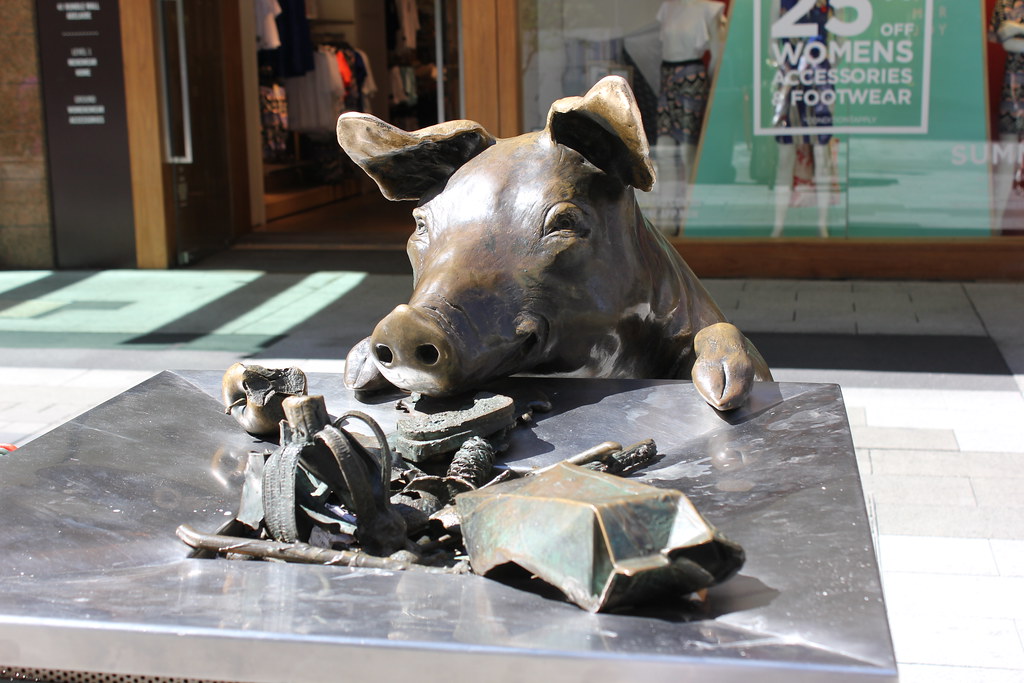
Rundle Mall, the city's flagship shopping precinct, has seen three notable vacancies open up since March, with retailers citing the cost of fit-outs and uncertainty about foot traffic. Across the Torrens in North Adelaide, the Parade strip has similarly experienced longer-than-expected gaps between tenants, according to local commercial property agents. The South Australian Retailers Association flagged in June that members were reporting sales declines of 3 to 8 percent compared to the same period last year.
The cost squeeze tightens
Energy costs are a particular pressure point. Electricity charges for retail premises in Adelaide have climbed roughly 15 percent since January 2025, according to business utility benchmarking firms tracking commercial rates. For a 1,000-square-metre store running air conditioning and lighting through extended trading hours, that translates to an additional $2,000 to $3,000 annually-money that cuts directly into already-thin margins.
Labor costs compound the problem. The minimum wage rose to $23.23 per hour on July 1, and retail operators have absorbed those increases without corresponding price rises, fearing customer pushback. Recruitment remains difficult, with many hospitality and retail workers shifting toward allied healthcare roles offering better conditions and prospects.
Westfield Marion, the southern suburbs' largest shopping centre, reported in its latest trading update that like-for-like sales fell 2.1 percent in the first half of 2026, with discretionary categories particularly weak. Furniture and homewares-once stalwarts of Adelaide's retail economy-have contracted as homebuyers hold off purchases amid softening property prices.
Planning to stay put, not expand
The net effect is cautious operators. Rather than opening new locations or expanding existing footprints, many retailers are focusing on maintaining current operations and managing inventory more carefully. A commercial real estate agent working Adelaide's CBD reported this week that seven proposed retail tenancies signed in 2024 have been pushed back to 2027 or shelved entirely, as operators reassess whether expansion makes financial sense.
Independent boutiques on King William Road and Prospect Road-traditionally resilient-are feeling the pressure too. A survey by the Adelaide Independent Retailers Forum in May found that 62 percent of members expected to keep staffing levels flat or reduce headcount through the rest of 2026. Only 18 percent planned hiring.
The Telstra outage earlier this month also exposed vulnerabilities in the sector's digital infrastructure. Retailers relying on cloud-based point-of-sale systems, electronic payments, and online ordering were temporarily crippled during those hours. For businesses already managing thin margins, even a few hours offline costs real money in lost sales.
What happens next will partly depend on whether consumer spending stabilizes. Retail experts expect a modest recovery in the final quarter, particularly if interest rate pressure eases. For now, Adelaide's retail sector is in holding pattern mode-watching, waiting, and managing costs rather than betting on growth.