Business
What Adelaide shoppers need to know as retail shifts from Rundle Mall to the suburbs
With national chains closing and local independents expanding, the city's retail landscape is undergoing its biggest shake-up in a decade.
4 min read
Business
With national chains closing and local independents expanding, the city's retail landscape is undergoing its biggest shake-up in a decade.
4 min read
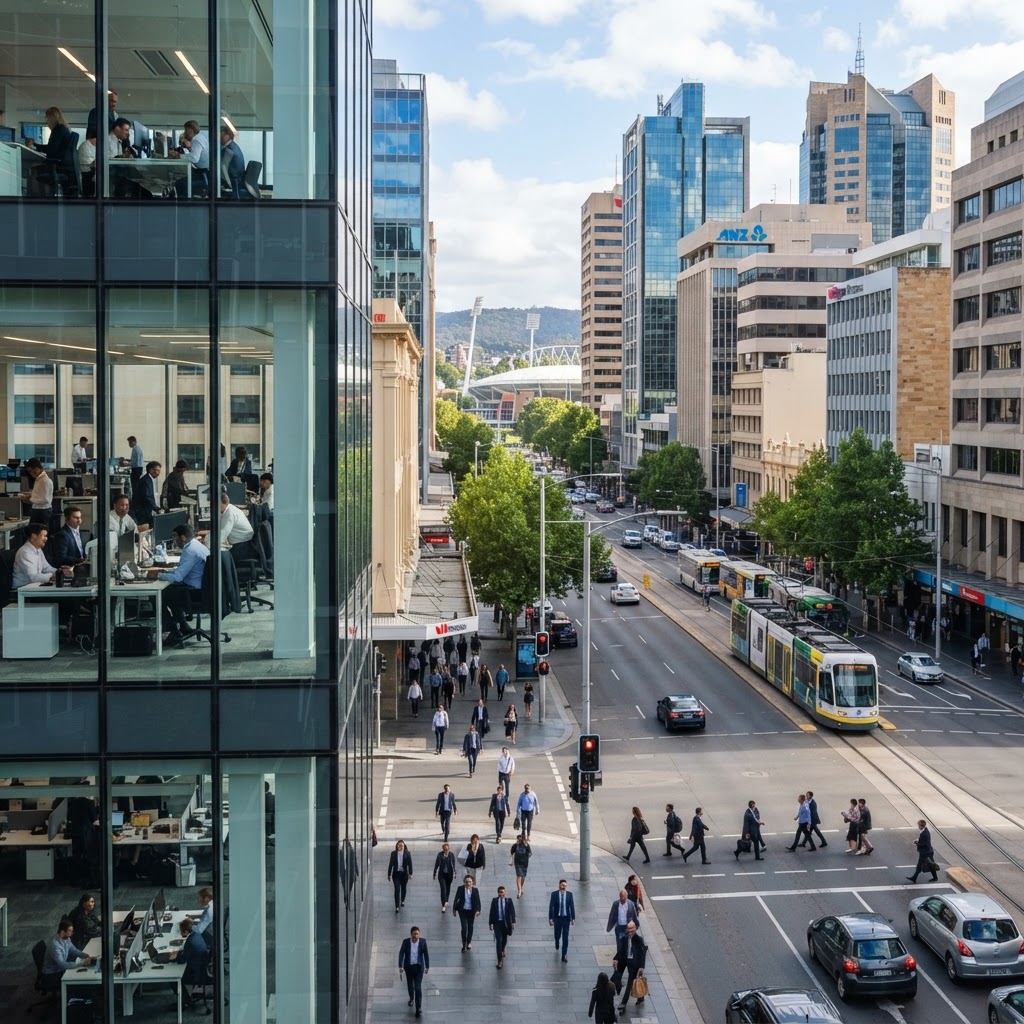
Adelaide's retail sector is in the middle of a major recalibration, and for everyday consumers, the changes mean more choice in some areas and fewer options in others. The latest data from the Property Council of Australia shows Adelaide's CBD retail vacancy rate hit 14.2% in the June quarter, up from 12.8% a year earlier, while suburban strip shopping vacancies fell to 6.1%, the lowest since 2019.
The shift is driven by a combination of rising online spending, higher rents in the city core, and a post-pandemic preference for local, walkable shopping. For residents, this isn't just about where to buy milk, it affects everything from weekend social habits to the viability of small businesses in their own neighbourhoods.
In the past six months alone, three new specialty grocery stores have opened along Prospect Road alone: a Korean grocer at number 132, a Moroccan deli at 88, and a organic bakery at 96. Meanwhile, on The Parade in Norwood, two national fashion chains, including a well-known denim brand, have closed their doors and been replaced by an independent bookstore and a children's play centre.
At Burnside Village, management confirmed in June that they are halfway through a $50 million redevelopment that will add 12 new specialty retailers and a rooftop dining precinct, targeting completion by March 2027. The centre's foot traffic is up 18% year-on-year, according to the centre's own tracking, driven largely by locals who say they'd rather shop close to home than battle CBD parking.
Across town, the redeveloped Castle Plaza in Edwardstown, which added a new Woolworths Metro and a 24-hour gym in May, is reporting 22,000 visitors per week, up from 15,000 before the upgrade.
Rundle Mall itself isn't dying, but it is transforming. The mall's retail vacancy rate sits at 10.3%, according to the Adelaide City Council's July economic update, but the mix has tilted heavily toward food and beverage and services. Six new eateries opened in June alone, including a ramen bar and a Korean fried chicken joint. Traditional clothing and department stores now make up just 38% of mall tenancies, down from 52% in 2019.
For shoppers, that means the mall is becoming less a destination for browsing and more a place for specific errands or meals. The average dwell time in Rundle Mall has dropped 11 minutes since 2022, to 47 minutes per visit, according to pedestrian sensor data shared with The Daily Adelaide by the Rundle Mall Management Authority.
For residents in suburbs like Unley, Parkside, or Henley Beach, the trend is mostly good news: more local retailers means shorter trips and the chance to support neighbours. But the flip side is that some suburban rents are climbing. According to the Real Estate Institute of South Australia, average retail lease rates on King William Road in Hyde Park rose 14% in the past year to $1,150 per square metre, squeezing some smaller operators.
Consumers should expect to see more pop-up shops and short-term tenancies as landlords test demand. The State Government's Shopfront Activation Program, launched in March, has already funded 12 pop-up leases across the CBD and inner suburbs, including a vintage clothing store on Hutt Street and a ceramics workshop on Magill Road. The program runs until December 2026 and offers rent subsidies of up to $25,000 for six-month leases.
The bottom line for the average Adelaide shopper: your local strip is likely to keep gaining new independent stores, but the prices may creep up. And if you're heading to Rundle Mall, plan for a meal, not a long shop, and don't expect to find the same big-brand line-up you did five years ago.
Business

Business
Business

Business
Business
Business
About this articleBeta
Published by The Daily Adelaide
Spread the word
Daily brief
Free, in your inbox before 7am. Weekdays.
The Daily Network — local news across Australia