Business
Economic indicators and investment flows explained clearly in Adelaide’s evolving market
A detailed look at key economic data and investment trends shaping Adelaide’s business environment in mid-2026.
3 min read
Business
A detailed look at key economic data and investment trends shaping Adelaide’s business environment in mid-2026.
3 min read
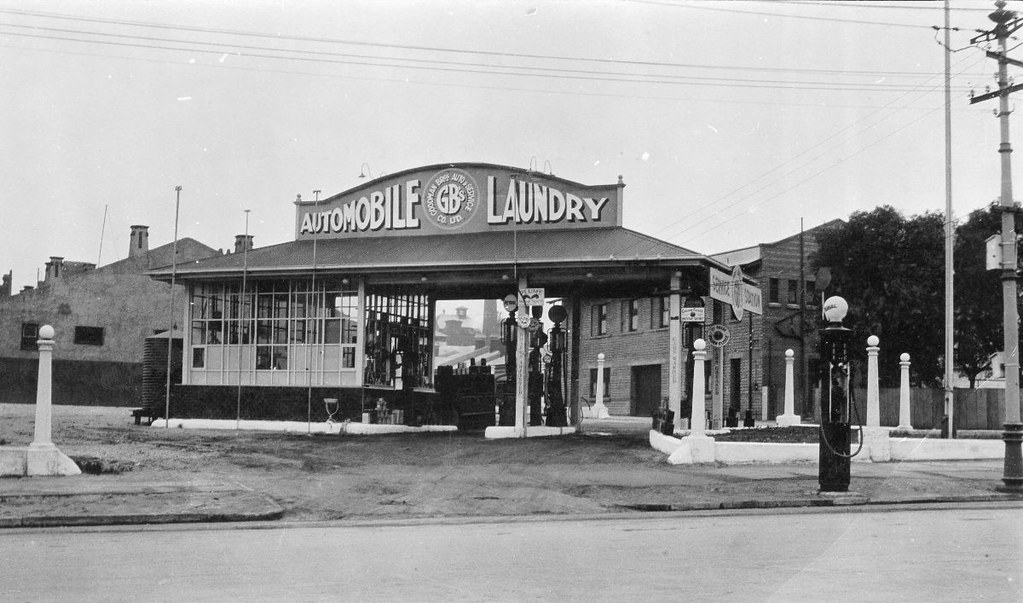
Adelaide’s economy shows mixed signals in mid-2026, with recent data revealing a slight uptick in local investment flows despite ongoing challenges in consumer confidence and employment rates.
This snapshot matters now because it signals how Adelaide is positioned within broader national and global economic shifts. With inflation stabilizing but wage growth remaining sluggish, investors and businesses in the city are recalibrating strategies. The ripple effects are evident across South Australia’s capital, raising questions about the sustainability of growth and the impact on local industries.
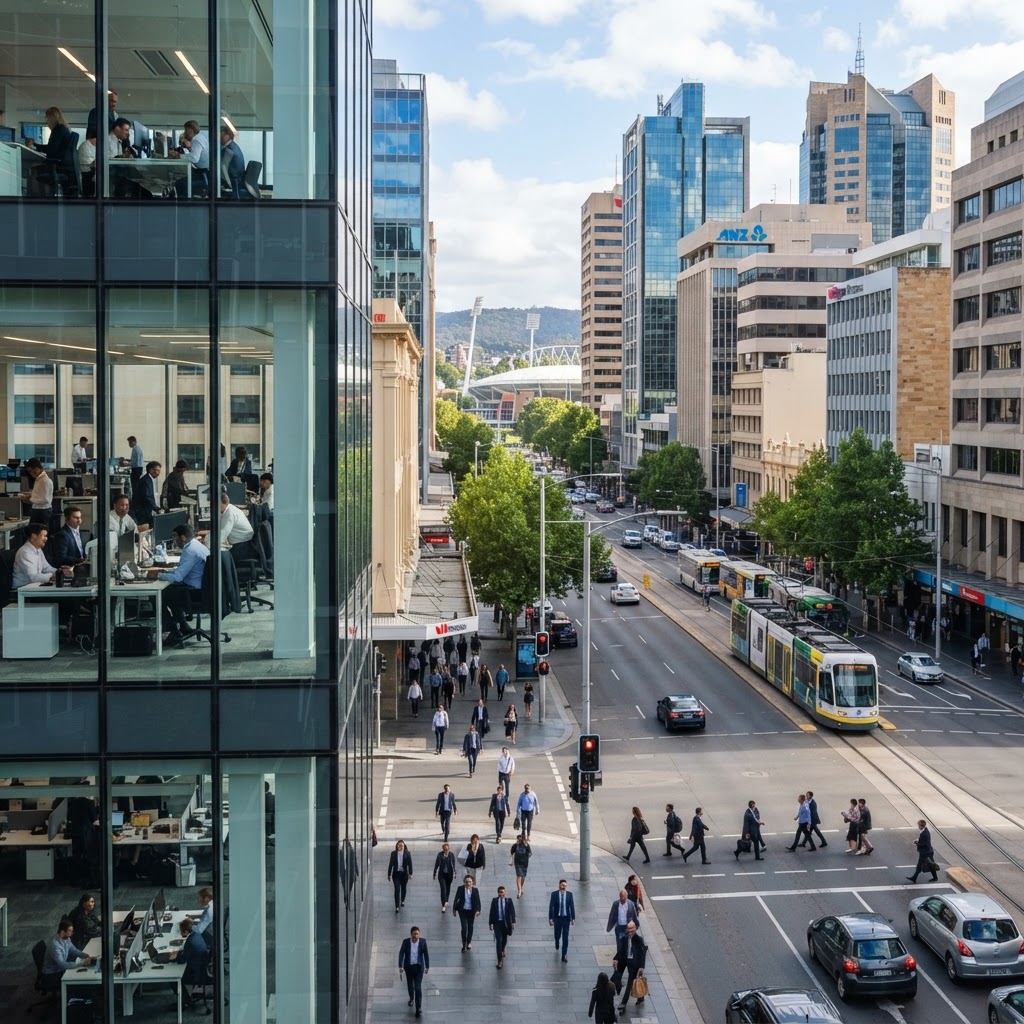
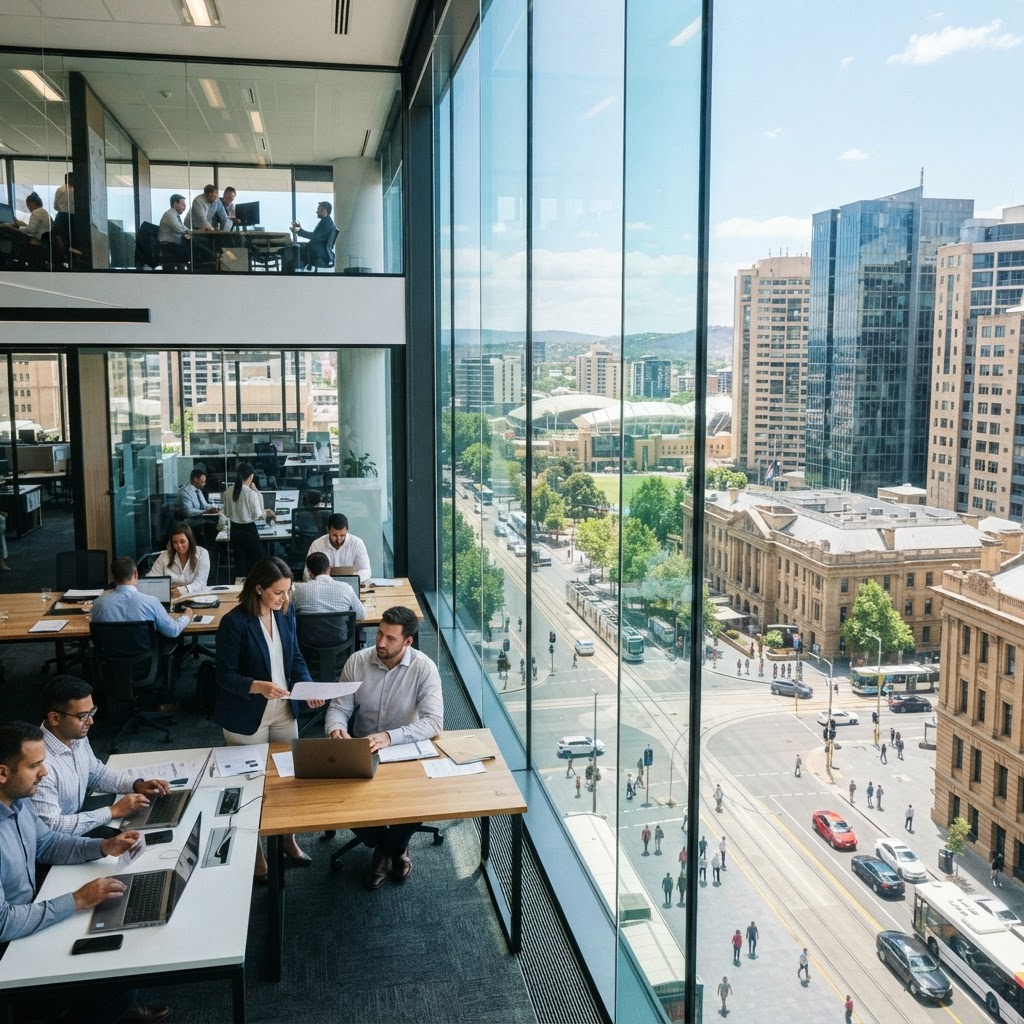
Key economic activity centers in Adelaide are notably adapting. The Adelaide CBD, particularly along King William Street and Rundle Mall precincts, continues to attract commercial real estate investment, although at a slower pace than last year. Meanwhile, the Tonsley Innovation District in Clovelly Park remains a hotspot for technology and manufacturing investments, buoyed by state government initiatives promoting green technology development.
The South Australian State Government’s Jobs Accelerator Program has also played a critical role by injecting $50 million into local startups and SMEs since January 2026. This program aims to stimulate entrepreneurship and bolster sectors such as renewable energy, advanced manufacturing, and digital services-fields expected to anchor Adelaide’s economic future.
According to the latest quarterly report from the South Australian Department of Treasury and Finance released on July 1, 2026, Adelaide’s unemployment rate stands at 5.8%, marginally lower than the 6.1% recorded in the previous quarter but still above the national average of 5.3%. Consumer sentiment indexes show cautious optimism, with the South Australian Consumer Confidence Index up 3.5 points month-on-month. At the same time, investment into commercial property in Adelaide’s metropolitan area increased by 4.2% during the second quarter compared to the first.
Housing prices in suburbs such as Glenelg and Norwood have shown modest declines of around 1.5% in recent months, reflecting broader national trends but easing affordability pressures for prospective buyers. The exchange rate fluctuations have also encouraged some overseas investors to tap into Adelaide’s property and technology markets, adding a layer of complexity to the investment environment.
For local businesses, the combination of these factors means the importance of strategic financial management cannot be overstated. Companies in logistics hubs near Port Adelaide and manufacturing clusters along Regency Park are advised to monitor supply chain costs closely while leveraging government grants where available.
Looking ahead, Adelaide’s economic trajectory will depend heavily on the unfolding federal budget measures expected in October 2026 and decisions by major infrastructure projects such as the electrification of the Seaford rail line. Investors and business owners should prioritize agility, remain informed on regulatory changes, and consider diversification to protect against volatility in global markets.
Business

Business
Business

Business
Business

Business
About this articleBeta
Published by The Daily Adelaide
Spread the word
Daily brief
Free, in your inbox before 7am. Weekdays.
The Daily Network — local news across Australia