Business
Retail faces headwinds amid rising costs and consumer caution in Adelaide
Despite new store openings, Adelaide’s retail sector contends with challenges including increased taxes and affordability pressures this year.
3 min read
Business
Despite new store openings, Adelaide’s retail sector contends with challenges including increased taxes and affordability pressures this year.
3 min read
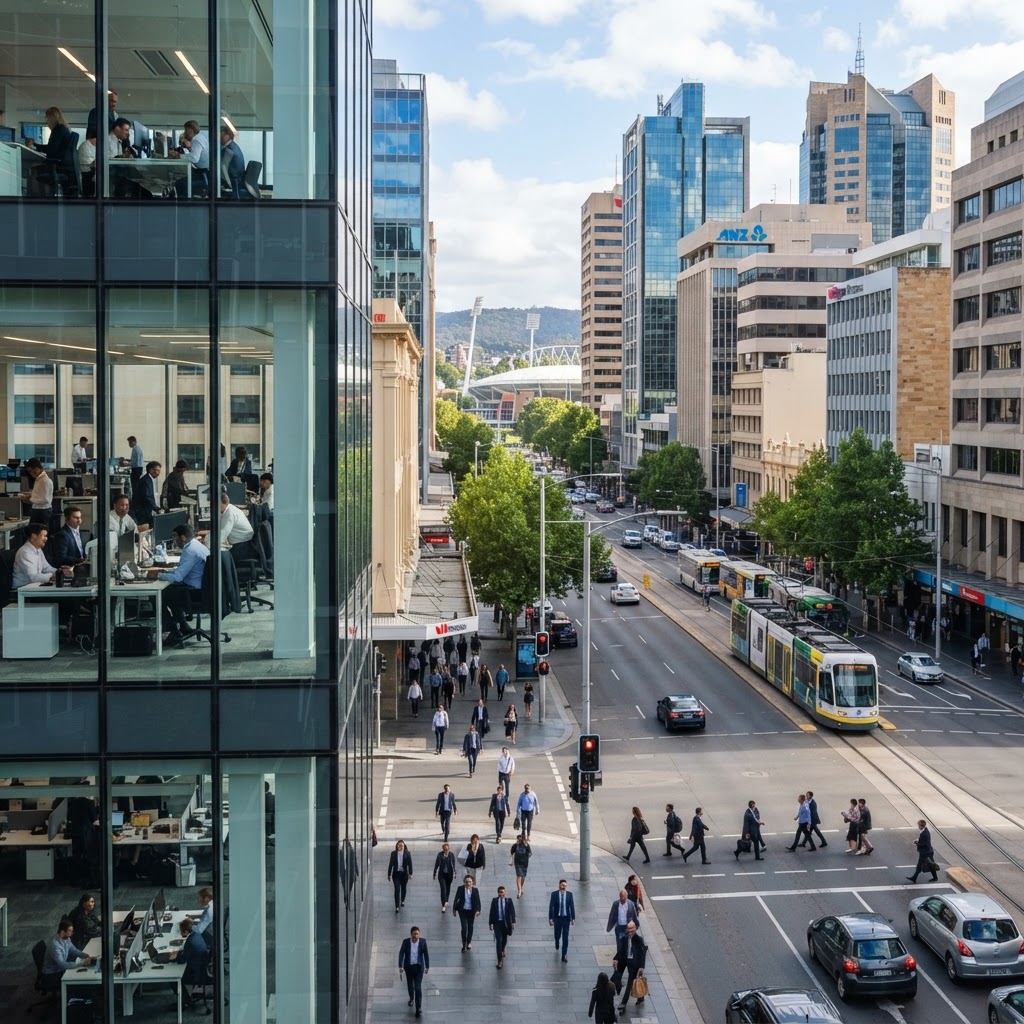
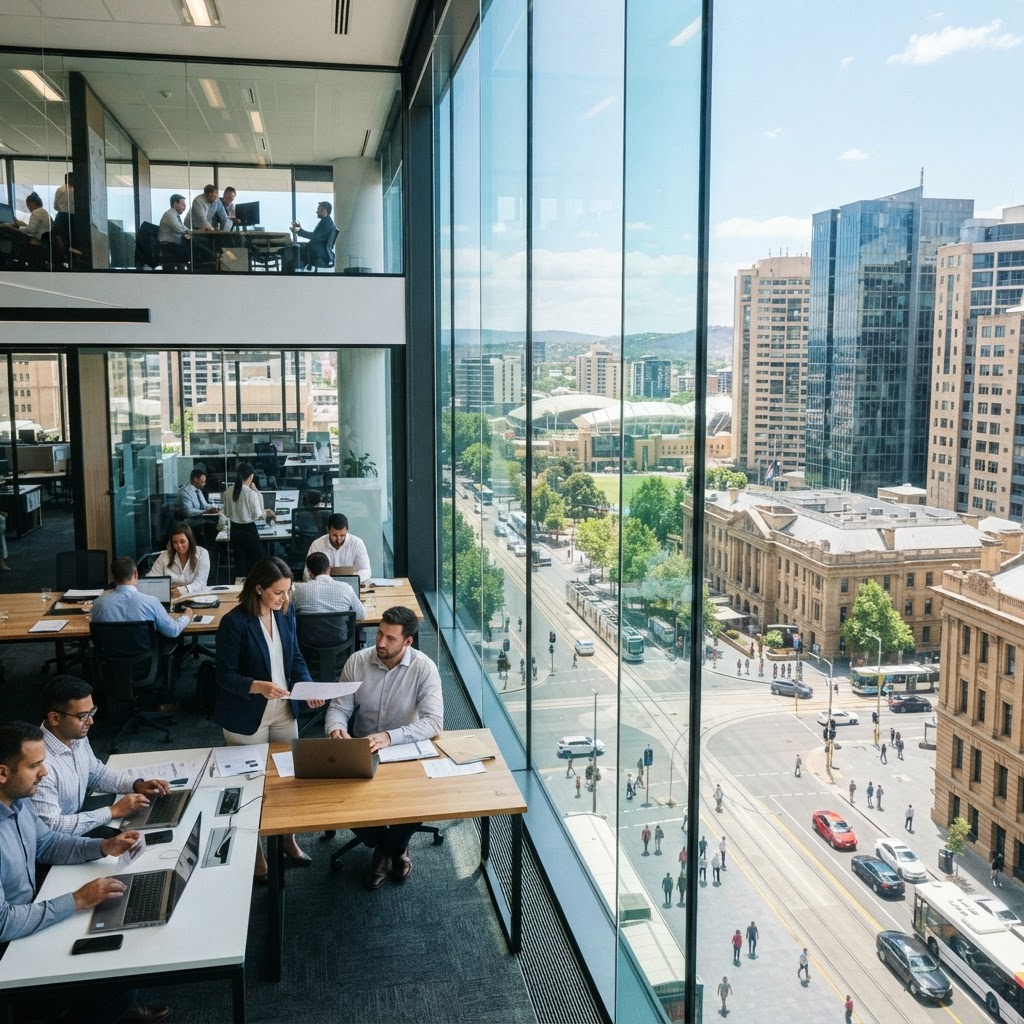
Adelaide’s retail landscape is feeling the strain of economic headwinds in 2026, with businesses navigating a complex mix of rising operational costs and cautious consumer spending. The sector, while seeing some new store launches, is confronting significant challenges that threaten growth and sustainability.
This year, small and medium retailers in particular are caught between increased tax burdens and difficult market conditions. Recent analyses from across Australia highlight how businesses are squeezed by overlapping tax reforms aimed at discretionary trusts as well as enduring stamp duties, impacting their capacity to invest or expand.
Consumer affordability remains another thorny issue. Rentals advertised as "affordable" in various cities do not always translate into genuinely accessible prices for most Australians, tightening household budgets and affecting discretionary spending-a key driver for retail sales.
In Adelaide, retailers near Rundle Mall and along King William Street have reported heightened operational costs coupled with subdued foot traffic on key retail days. While international arrivals to South Australia have slowly resumed their pre-pandemic pace, anticipated boosts to sales have yet to fully materialise, partly due to evolving travel documentation processes now shifting from paper arrival cards to digital systems.
Small businesses around suburban shopping strips echo concerns about how tax changes are forcing them to rethink hiring and inventory purchases. The uncertainty stemming from these reforms, alongside fluctuating consumer confidence, has led some new stores to delay openings or scale back plans.
Compounding these difficulties, South Australian retailers must also grapple with intermittent infrastructure challenges. For instance, Australia's largest telco provider recently encountered a widespread outage that potentially disrupts ecommerce operations and payment systems, affecting both customer experience and sales.
While no concrete local statistics on retail turnover for 2026 are yet public, qualitative evidence from industry forums and business reports suggests a cautious approach by retailers given the intersecting challenges of tax, inflation, and changing consumer expectations.
Retailers in Adelaide are advised to focus on operational efficiencies and digital adaptability to weather this difficult period. Close attention to evolving tax obligations and leveraging new customer engagement technologies might offer partial relief. Meanwhile, government support programs targeting small business resilience could play a critical role if effectively tailored to current conditions.
Ultimately, Adelaide’s retail sector faces a year where strategic agility will be key amid pressures that are unlikely to ease quickly. Businesses that manage costs carefully while innovating in service delivery may better navigate these headwinds, but challenges remain pervasive for many.
Business

Business
Business

Business
Business

Business
About this articleBeta
Published by The Daily Adelaide
Spread the word
Daily brief
Free, in your inbox before 7am. Weekdays.
The Daily Network — local news across Australia