Business
Retail shifts in Adelaide: Key insights for consumers and residents
Understanding local retail trends is essential as Adelaide’s shopping landscape evolves amid economic and societal changes.
3 min read
Updated 1 h ago
Business
Understanding local retail trends is essential as Adelaide’s shopping landscape evolves amid economic and societal changes.
3 min read
Updated 1 h ago

Adelaide’s retail scene is undergoing noticeable changes that everyday consumers need to understand to make informed shopping choices. The city’s retail adjustments come at a time when local markets and households are adapting to broader economic pressures, emphasising the importance of being aware of evolving options and challenges in the sector.
With Australians grappling with a complex economy and shifts in consumer behaviour, Adelaide’s retail landscape reflects these broader national patterns. Understanding what is available, where new opportunities for shopping and dining emerge, and how market forces affect prices and service quality is crucial for households balancing everyday budgets and lifestyle choices.
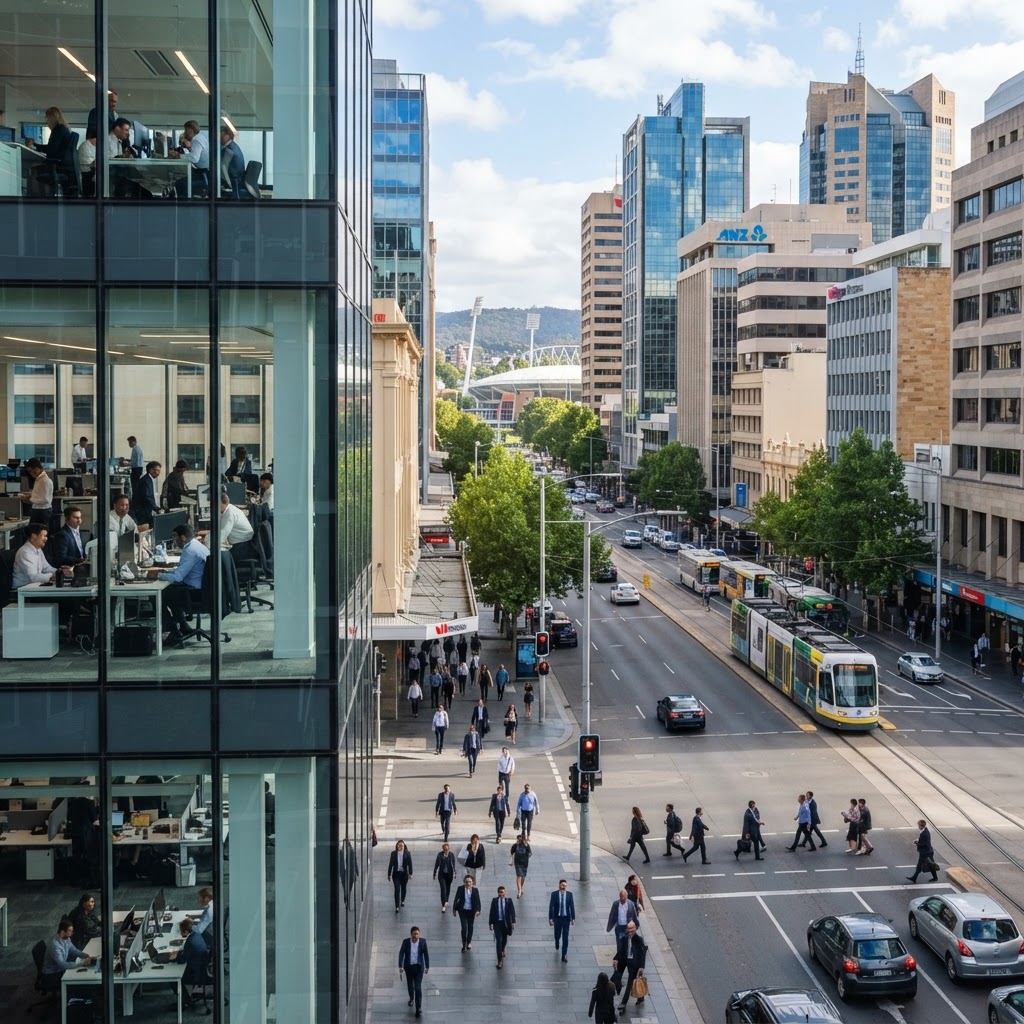
Adelaide’s geography, combining a vibrant urban centre with distinct suburban districts, influences how retail trends materialise and impact consumers. While boutique and specialised outlets continue to thrive in areas like Rundle Street and Norwood, larger shopping centres and emerging precincts play a growing role in meeting the demands of the city’s diverse population.
Although specific data points and retail openings are not outlined in the current publicly available local sources, shoppers in Adelaide are witnessing a blend of new retailers entering established precincts and an increase in experiential retail concepts. Adelaide’s established shopping areas, including the city centre, Glenelg, and the Central Market precinct, remain key focal points where residents find a mixture of traditional shops and newer service models.
This dynamic is influenced by factors such as property development pressures and the move towards affordability in housing and retail shopping. As new developments rise to meet housing demands, they also bring retail spaces that cater to changing consumer preferences, including convenience and local products.
Though specific statistics like price changes or foot traffic data are unavailable from the provided sources, the market’s qualitative signals suggest that consumers should be attentive to how their shopping experience and spending patterns may be affected by these evolving retail ecosystems.
For Adelaide residents, staying abreast of shifts in where and how retail operates can help optimise shopping budgets and enhance community engagement. Consumers are advised to explore local precincts actively, compare offerings, and consider emerging retail formats that may provide better value or convenience.
Additionally, with changes to property and retail developments underway elsewhere, there is an opportunity for residents to support local businesses and remain vigilant about quality and pricing trends. Engaging with trusted retail venues and maintaining an informed outlook will help Adelaide consumers navigate the city’s changing retail terrain effectively.
Business

Business

Business

Business

Business
Business
About this articleBeta
Published by The Daily Adelaide
Spread the word
Daily brief
Free, in your inbox before 7am. Weekdays.
The Daily Network — local news across Australia