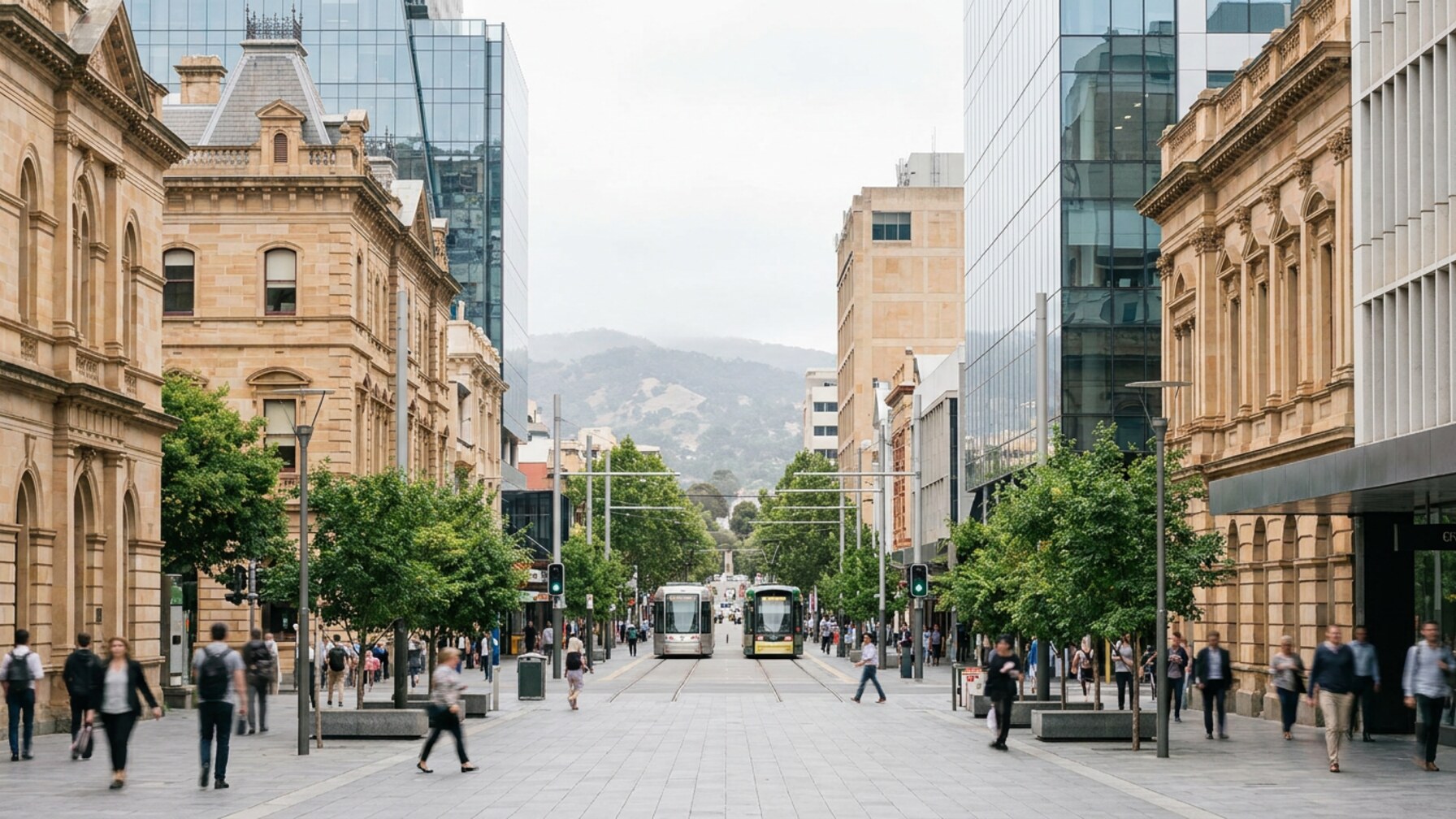
Adelaide's transport crunch: The critical decisions that will shape commutes for the next decade
As the city's population swells and major infrastructure projects collide, planners face hard choices about buses, trains and roads that could ease-or worsen-gridlock.
AI-assisted journalism under human editorial accountability and risk-based review. AI may assist with research, summarising and drafting. Where public source links underpin the article, they are shown below. Sensitive material is held for human review; some lower-risk material may be published automatically after sourcing, accuracy and safety checks. The Daily Adelaide covers Adelaide news. It is provided for general information only and is not professional, legal, financial, or medical advice. Read about our editorial care →
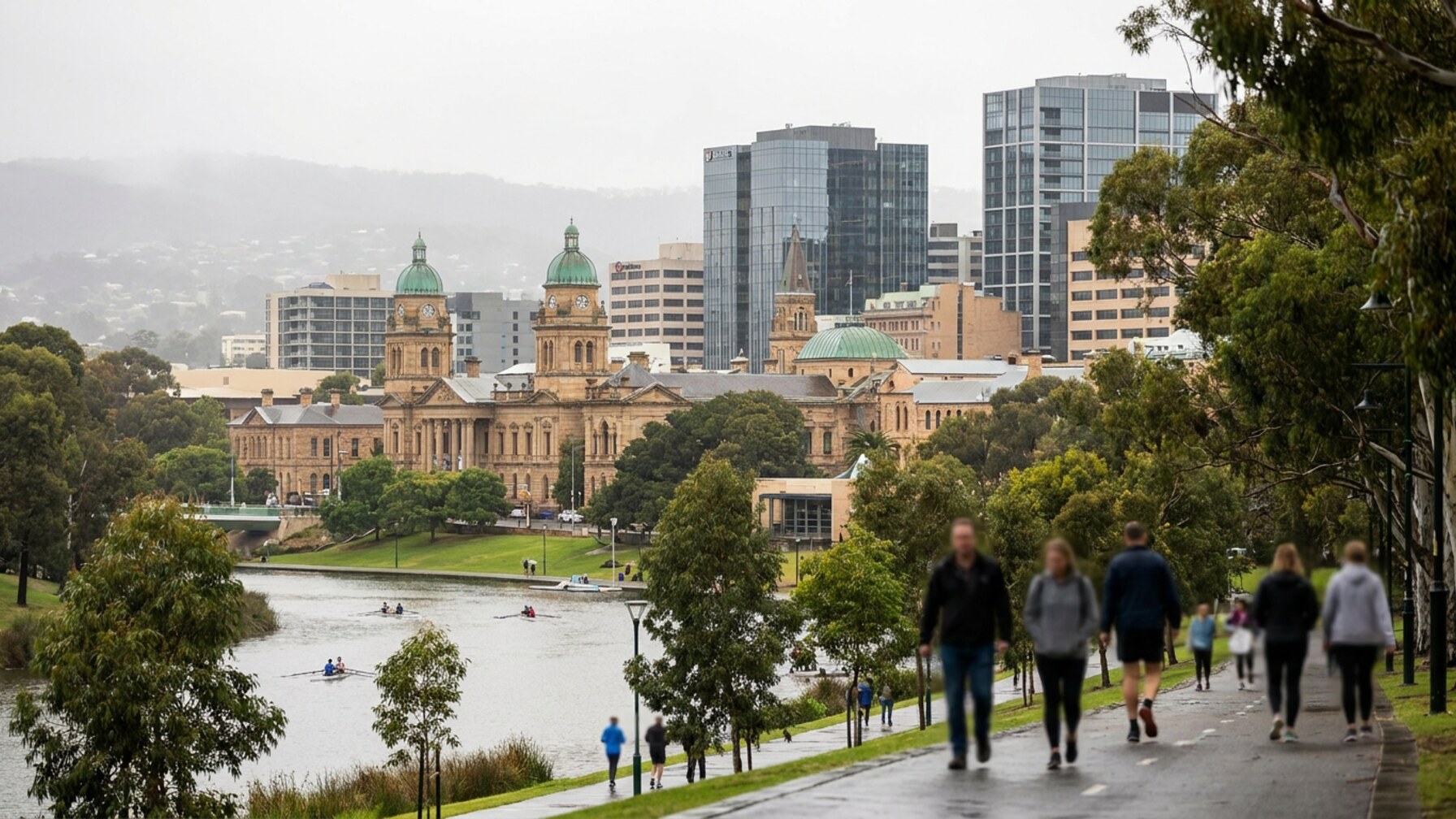
Adelaide's transport network sits at a crossroads. The state government must decide within months whether to expand bus rapid transit into western suburbs, upgrade rail corridors, or pour resources into motorway improvements-choices that will determine whether the city's booming population growth turns into a commuting nightmare or a functioning system.
The pressure is real. South Australia's population grew by 2.1 percent in the year to March 2026, with interstate migration now outpacing natural increase for the first time in a decade. Defence industry expansion around Edinburgh and the Lot Fourteen precinct in the city's core have created competing employment zones that traditional transport links weren't designed for. Meanwhile, petrol prices creeping toward $2.40 a litre are forcing more commuters to consider public transport-but only if it works.
The South Australian Transport Authority faces its biggest budget round since 2019 when the state cabinet makes decisions in October. Three competing visions are on the table. A comprehensive bus network overhaul would add rapid transit corridors along South Road and Port Road, targeting the 34 percent of trips that currently go uncaptured by train. Alternatively, duplication of the Gawler line corridor could handle capacity increases from the northern suburbs, where new housing developments near Angle Vale and Two Wells have added 8,000 residents in three years. A third option pushes federal lobbying for motorway upgrades-specifically, the long-stalled duplication of the South Road bottleneck between Marion and Woodcroft, which currently costs commuters an average of 18 minutes during peak periods.
The numbers don't add up for doing nothing
Department of Infrastructure and Transport modelling obtained by The Daily Adelaide shows that if current trend continue, average commute times from Adelaide's outer suburbs will blow out to 45 minutes by 2030. The Tonsley automotive hub and the Port Adelaide container terminal-two of the state's largest employment clusters-sit at opposite ends of the metropolitan area with no efficient cross-town transit link. A commuter working shifts at Tonsley and living in Munno Para spends 64 minutes getting to work on public transport versus 38 minutes by car. That gap is widening as Tonsley's advanced manufacturing sector adds roles faster than housing supply can keep pace.
The cabinet's decision matters immediately because federal funding windows close. The Commonwealth Department of Infrastructure and Regional Development has signalled it will allocate $340 million for metropolitan transport improvements in the 2027-28 budget round, but only for projects that are planning-ready by March 2027. That means Adelaide needs to lock in its priority within four months.
What happens in the next three months
The Transport Authority will release its updated network strategy on August 15. This document will reveal whether planners favour the bus option-which costs $780 million but could be partially delivered by 2029-or the rail duplication, estimated at $2.3 billion with completion by 2031. The motorway option requires federal co-funding and state matching, making it politically dependent on Canberra's appetite.
Community consultation happens in September, but industry groups have already weighed in. The South Australian Chamber of Commerce warned that without action on the South Road corridor, supply chain delays will cost businesses $14 million annually by 2028. The Public Transport Users Association counter-argues that bus rapid transit reaches twice as many people per dollar spent.
Cabinet meets October 22. That's when Adelaide's transport future gets decided. The choice won't satisfy everyone. But inaction guarantees everyone loses-the worker stuck in traffic, the business fighting supply chain delays, and the city trying to compete for the skilled workers defence industry expansion demands. The time for studying the problem is over.
Covering news in Adelaide. This article was generated by AI, under human editorial accountability and risk-based review and our reasonable editorial care. Sensitive material is held for human review before publication. See our reasonable editorial care.
Beta: AI-assisted and human-overseen. Details may be imperfect, so please verify anything important.
Spread the word
Share
Daily brief
Enjoyed this? Wake up to Adelaide news every morning.
The Adelaide local brief — free, every morning
Free daily Adelaide email brief. By subscribing you consent to receive it; unsubscribe anytime. Briefs are produced with AI assistance and edited by a human editor.