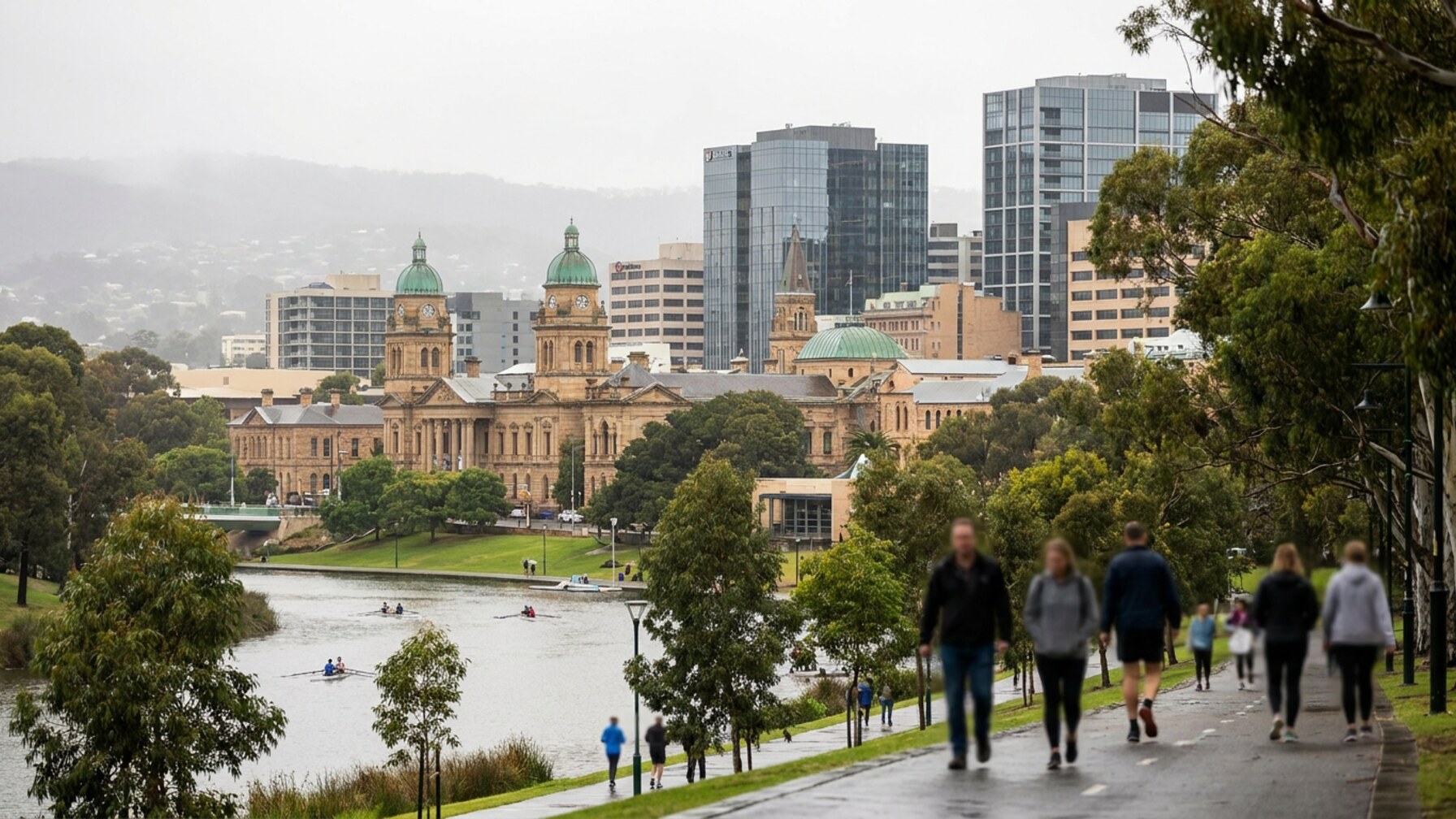
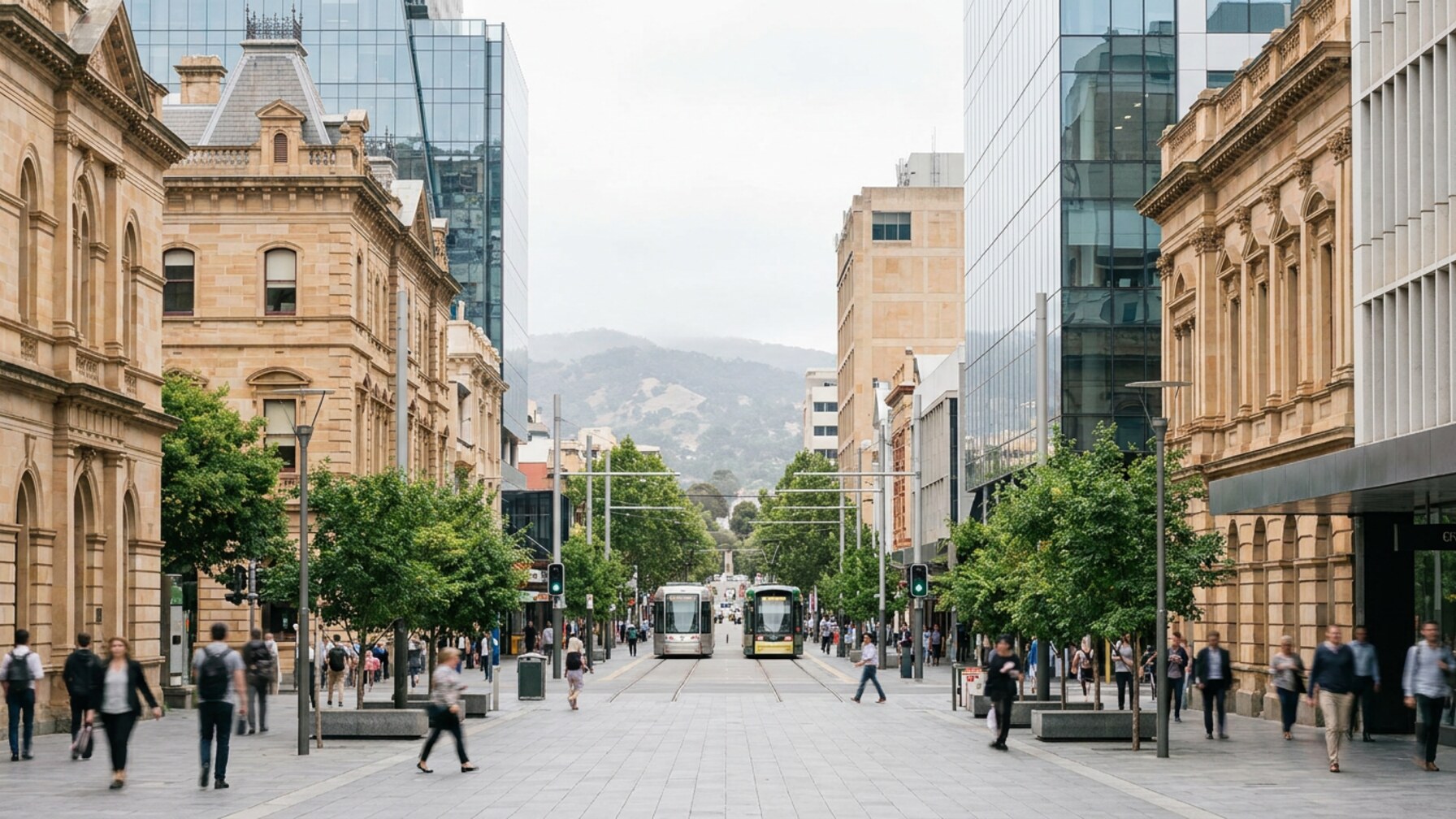
Adelaide's local councils have recently approved a series of significant development and service initiatives that will reshape the city’s suburban landscape and public amenities over the next decade. These decisions follow months of debate and reflect a growing urgency to manage the pressures from increasing population and economic shifts in the region.
The timing of these decisions aligns with broader state goals to support Adelaide’s expanding role as a defence and innovation hub, alongside a record surge in residents moving into the metropolitan area. Local authorities have faced mounting demands to deliver infrastructure upgrades, affordable housing, and sustainable community programs, propelling them to act decisively this year.
From Lot Fourteen Innovation to Glenelg's Urban Renewal
Key decisions emerged from discussions around precincts like Lot Fourteen on North Terrace, where the South Australian government’s push to establish a tech and space innovation cluster has triggered local government commitments to improve transport links and green spaces. The City of Adelaide council approved a $12 million upgrade to public squares there, anticipating increased foot traffic from 7,500 employees expected by 2028.
Meanwhile, Holdfast Bay Council has advanced a $5.4 million revitalisation of Glenelg’s foreshore and surrounding shopping precinct, addressing concerns over ageing infrastructure and the need for resilient coastal defenses amid rising sea levels. This initiative follows public consultations held since early 2025, reflecting community calls for beautification and accessibility.
Data Points Highlighting Pressure and Progress
Population growth underpins much of the recent momentum, with SA government estimates showing Adelaide’s population rose by 1.3% in 2025 alone, a rate surpassing the national average. This influx puts pressure on housing markets, particularly in inner suburbs such as Bowden and Brompton, where approvals for medium-density development have increased by 30% since 2023.
Rates have also been a focal point: councils like Charles Sturt have faced criticism for a 4.5% rise in residential rates this financial year, justified by officials as necessary to fund critical infrastructure upgrades and environmental programs. Transparency around spending has been a test for local administrations seeking to maintain public trust amid these price hikes.
Adelaide’s local government sector has relied heavily on state and federal grants, with the 2026 Australian Government’s infrastructure grants contributing over $50 million to metropolitan projects. The South Australian government's Housing and Urban Growth program has allocated more than $20 million to assist councils managing urban infill and upgrading community facilities.
Looking ahead, councils are preparing to implement the new residential development codes introduced last year, expecting them to streamline approval processes and encourage sustainable urban growth. Residents of suburbs including Mawson Lakes and Prospect are advised to monitor upcoming community forums scheduled through July and August to provide feedback on specific projects affecting their neighbourhoods.
Increased public engagement will be critical in guiding councils as they navigate competing priorities-for instance, balancing the demand for affordable housing with heritage preservation concerns, as seen in North Adelaide’s recent planning debates. Stakeholders are encouraged to stay informed through council newsletters and attend relevant meetings to influence decisions that will shape Adelaide’s urban fabric well into the 2030s.
About this article●Beta
Published by The Daily Adelaide
Covering news in Adelaide. This article was generated by AI, under human editorial accountability and risk-based review and our reasonable editorial care. Sensitive material is held for human review before publication. See our reasonable editorial care.
Beta: AI-assisted and human-overseen. Details may be imperfect, so please verify anything important.