South Australia’s economy is on the cusp of its biggest structural shift in a generation, but the next six months will decide whether the momentum stalls or accelerates. The state’s unemployment rate sits at 3.8% according to the latest ABS data for May 2026, slightly above the national average, and the annual population growth has pushed past 1.7% for the first time since 2014. That growth is being driven by interstate migration, with more than 12,000 people moving to Adelaide from the eastern capitals in the past financial year.
The key decisions ahead involve three major projects: the AUKUS submarine construction at Osborne, the proposed Olympic Dam uranium expansion in the Far North, and the state government’s hydrogen jobs plan anchored at Port Adelaide. Each of these projects requires a specific approval or funding commitment from either the federal government or the South Australian Parliament before the end of 2026.
Osborne naval shipyard and the AUKUS schedule
At the Osborne Naval Shipyard on the Lefevre Peninsula, the state government is waiting for the federal Defence Department to finalise the construction timeline for the first AUKUS submarine. The project, valued at $368 billion nationally, is expected to create 4,000 direct jobs in South Australia by 2030. But industry sources say the start date for steel cutting remains uncertain, with a decision expected from the Albanese government by October 2026. The site currently employs around 1,200 workers, well short of the projected peak.
Meanwhile, the adjacent Techport Australia precinct has attracted more than 30 defence‑related companies since 2024, including BAE Systems and Lockheed Martin Australia, which have taken leases on buildings along Victoria Road. The Lot Fourteen innovation district in the city centre, home to the Australian Space Agency, added 14 new startups in the first half of 2026, bringing the total tenant count to 174. Space‑related companies alone now employ 780 people in Adelaide, up from 340 in 2022.
Hydrogen jobs and the Port Adelaide plan
In Port Adelaide, the state government’s Hydrogen Jobs Plan is facing a critical Australian Energy Regulator review due by September 2026. The plan includes a 200‑megawatt electrolyser at the Tonsley Innovation District, designed to produce green hydrogen for industrial users on the Le Fevre Peninsula. The project has so far attracted $110 million in federal grants, but it requires an additional $60 million from the private sector to reach financial close. Local steel fabricator InfraBuild, based on Grand Junction Road, has signalled interest in supplying the electrolyser vessel.
The hydrogen plan is directly tied to the state’s goal of reducing carbon emissions by 75% by 2035, a target that the Malinauskas government reaffirmed in the June 2026 State Budget. That budget also allocated $45 million for new hydrogen refuelling stations along Port Road and the Southern Expressway, with construction tenders set to close on 15 August 2026.
At Olympic Dam, BHP is awaiting federal environmental approval for a proposed expansion that would double uranium production to 30,000 tonnes per year. The company lodged its final environmental impact statement with the Department of Climate Change, Energy, the Environment and Water on 1 June 2026. A decision is expected by February 2027, but the timeline has slipped once already. The project is projected to create 2,500 construction jobs and 800 permanent roles at the Roxby Downs site, a four‑hour drive north of Adelaide.
What happens next for local businesses
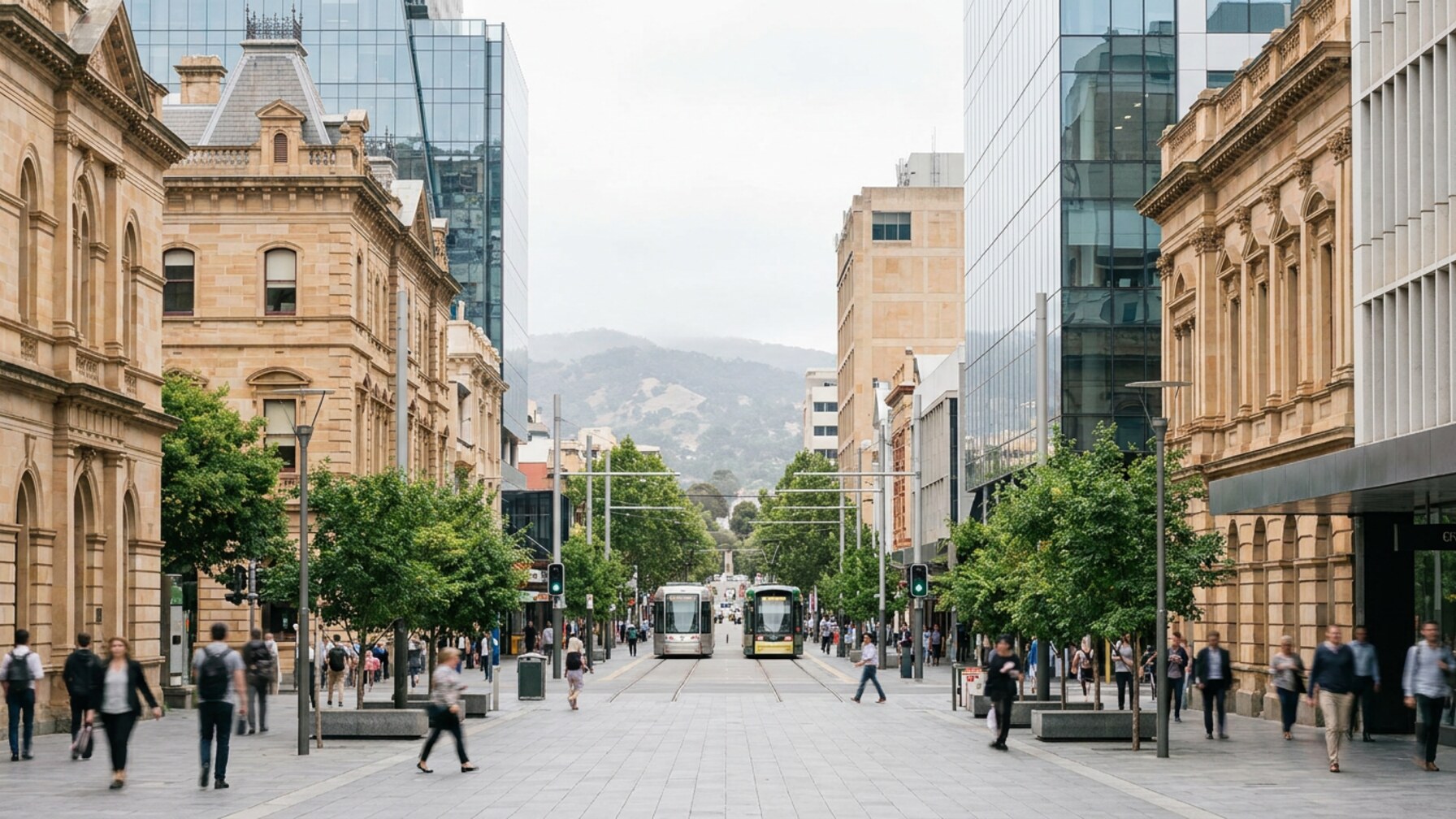
For small and medium businesses in Adelaide, the immediate pressure is the rising cost of commercial leases and labour. Rents in Rundle Mall have increased 12% year‑on‑year, according to the Property Council’s June 2026 office market report, while hospitality wages in the CBD have risen 8% since January. The South Australian Chamber of Commerce is pushing the state government to lift the payroll tax threshold from $1.5 million to $2 million in the next Budget, arguing that the current level is a barrier for businesses hiring new staff.
The practical advice from economic consultants at Deloitte Adelaide, published in their July 2026 state outlook, is that firms should lock in supply contracts before the end of 2026, when anticipated cost increases from the infrastructure boom are expected to hit. The report also warns that the housing shortage in suburbs such as Mawson Lakes and Prospect will push rental costs higher, adding to wage pressure for workers who live those areas.
On the ground, the decisions made in the next three months at Osborne, at Parliament House in North Terrace, and in Canberra will determine whether Adelaide rides the wave or gets caught in the trough. For now, the cranes are up, the approvals are pending, and the clock is ticking.