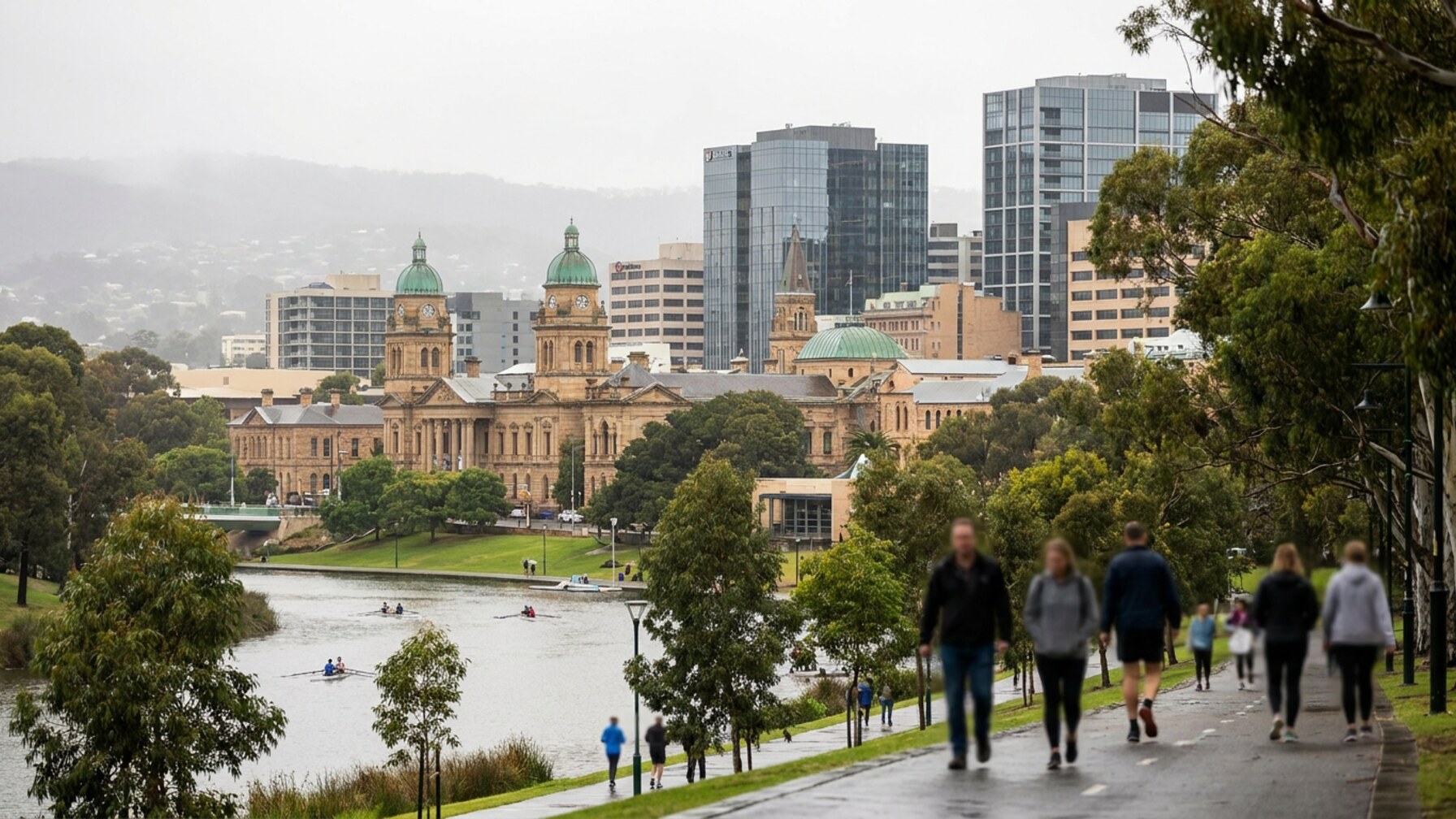
More than half of South Australia's 68 councils face financial distress, and the state government will next month release a white paper that could force mergers of dozen of them, a prospect that seemed politically impossible as recently as 2021.
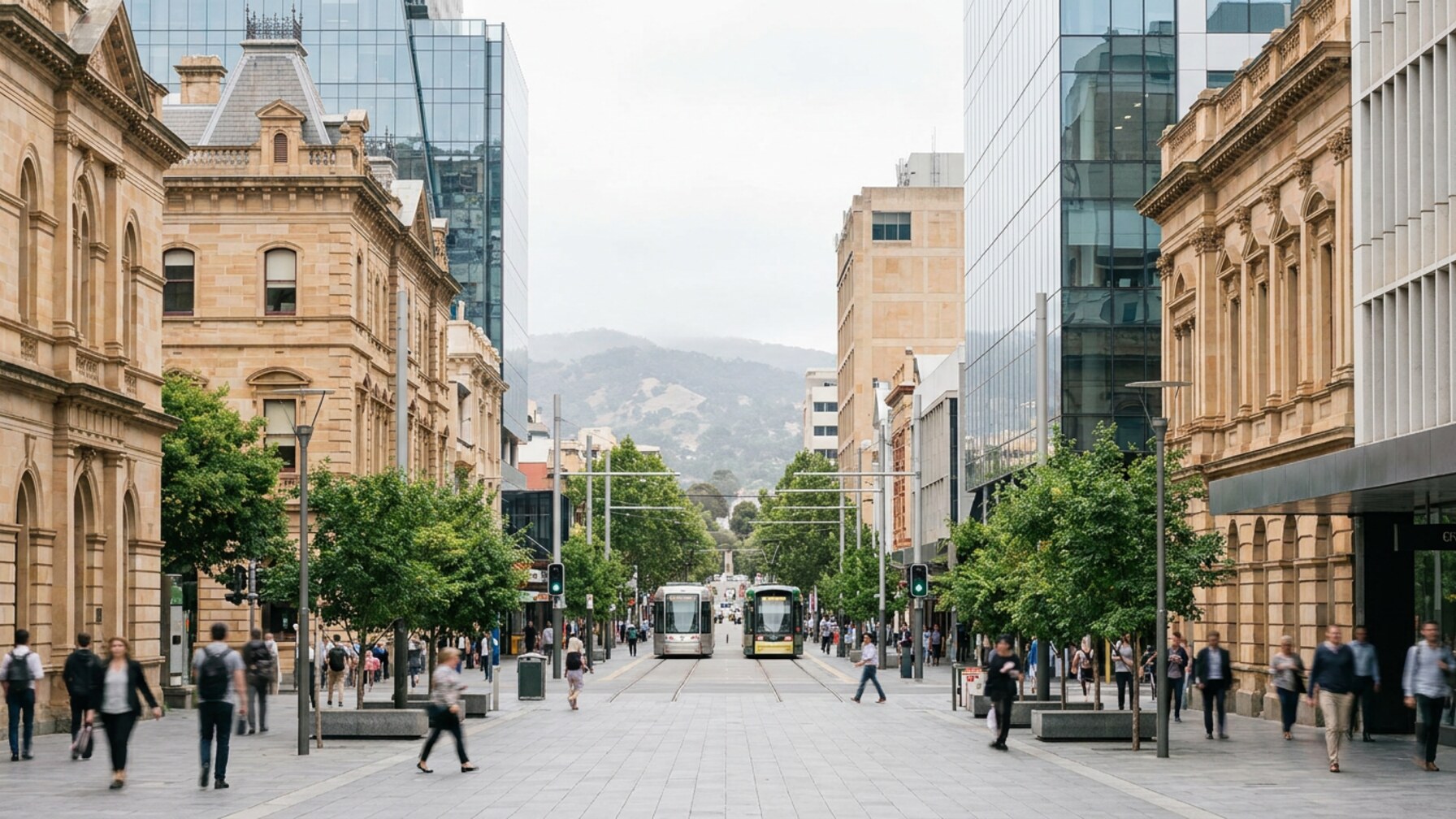
The white paper, due from Local Government Minister Joe Szakacs on August 18, caps a five-year push by the Malinauskas government to consolidate the state's patchwork of local councils, many of which were drawn in the 19th century and now serve populations smaller than a single Adelaide suburb.
The line outside the town hall
The Keegan review, published in November 2023, recommended merging 23 councils into eight new entities. It proposed folding the City of Mitcham and the City of Unley into a single council covering Adelaide's south-eastern suburbs, and combining the City of Prospect and the Town of Walkerville, two of the state's smallest councils, bordering each other along Nottage Terrace and Main North Road.
Resistance was immediate. The Mayor of Unley, John Williams, told the Local Government Association in February 2024 that forced amalgamations would cost ratepayers more in transition than they would save in administrative efficiencies. The LGA itself calculated merging 23 councils would cost $115 million in IT system upgrades, new signage, and staff redundancy payments.
But the numbers kept mounting the other way, too. A 2025 analysis by the SA Centre for Economic Studies showed the 14 councils that were not members of the LGA's joint purchasing scheme paid an average 28 per cent more for asphalt, office supplies, and insurance than councils that participated. The same analysis found the City of Playford, with a population of 98,000, and the tiny District Council of Orroroo Carrieton, with 850 residents, both owned and maintained the same type of road grader, but Playford's graders cost 30 per cent less per hour to operate.
Meanwhile, the state government's own financial pressure has supercharged the push. Treasurer Stephen Mullighan's 2026-27 state budget, handed down June 25, reduced the Local Government Grants Commission's allocation by $22 million, the largest single cut since 1992. The message was blunt: councils must become more efficient or face deeper cuts.
What comes next in Hurtle Square
The white paper will land in an environment far different from 2019. The AUKUS submarine program has drawn thousands of defence contractors, and their families, to Adelaide's northern suburbs. The City of Salisbury alone has seen its population grow by 14 per cent since 2021. That growth has brought demands for more parks, footpaths, and libraries, but the council's rate base has not kept pace because many new residents live in rental housing or Defence Housing Australia properties, which pay lower effective rates.
At Lot Fourteen, the state's innovation precinct on North Terrace, a separate working group has been examining the viability of a single 'Greater Adelaide Council', a proposal that would merge all 17 metropolitan councils into one. That group is expected to deliver its draft recommendations in September.
The practical implications for residents are stark. Anyone whose street crosses a council boundary, such as those living on Goodwood Road, which marks the border between Unley and Mitcham, has likely noticed where one council stops mowing the median strip and the other begins. That kind of inconsistency is exactly what the white paper aims to eliminate.
But the LGA has already warned that a merger timeline faster than three years could paralyse essential services. And in the Adelaide Hills, the District Council of Mount Barker, which has grown 40 per cent since 2016, has argued it should not be merged with smaller, more rural councils like Karoonda East Murray because its needs are fundamentally different.
The white paper will be open for public comment for 60 days after its release. A final bill is expected in early 2027.