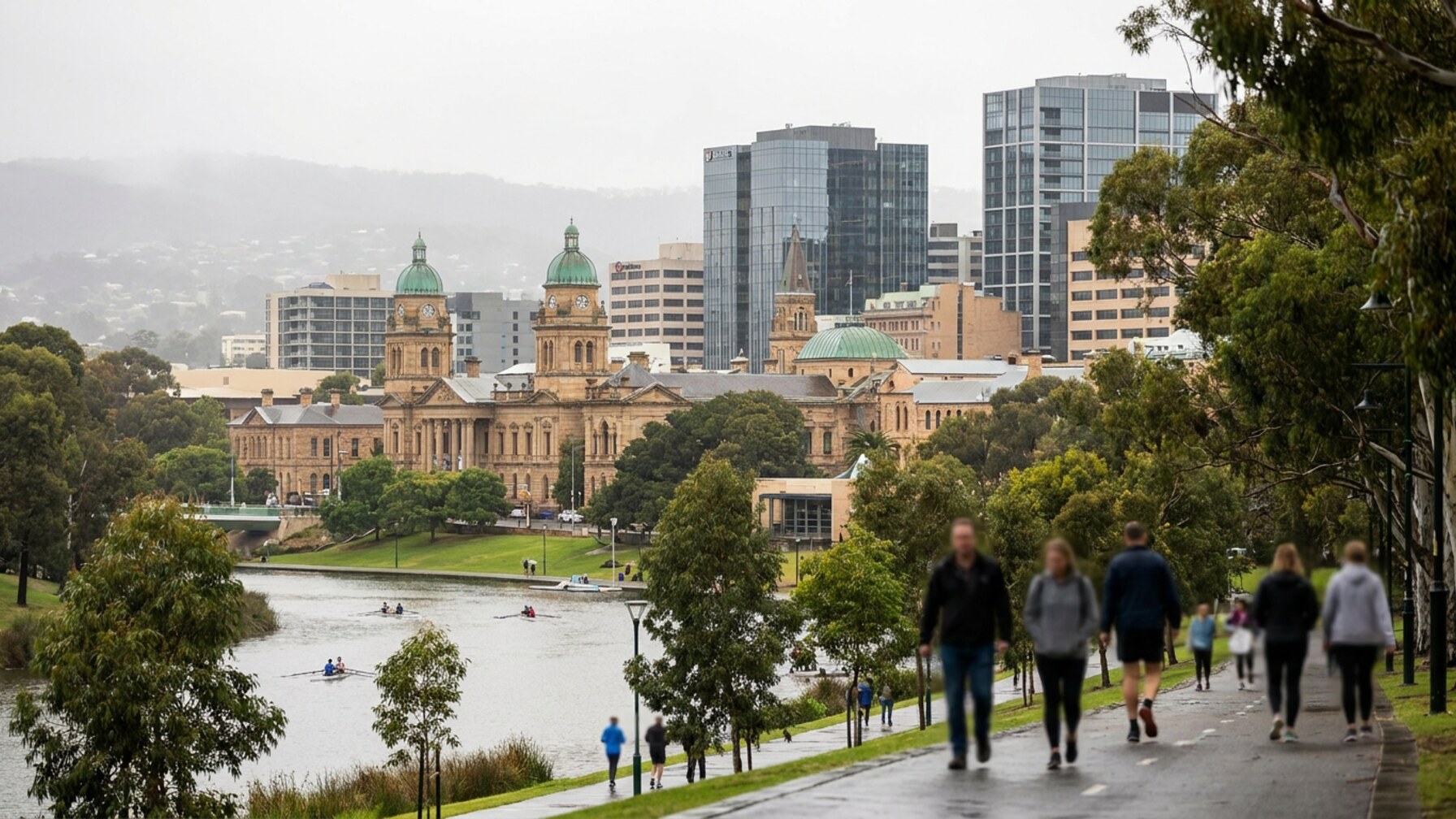
The City of Adelaide council approved a 5.2 per cent rate rise on Thursday, pushing annual bills up by an average of $156 for residential properties. The decision caps months of debate over how to fund everything from pothole repairs on King William Road to refuse collection across the North Adelaide and Parkside neighbourhoods.
The numbers matter now because Adelaide is absorbing more people than ever. Last financial year, South Australia saw net interstate migration of 18,400 people, with most settling in metropolitan Adelaide. The council's budget struggles reveal what happens when infrastructure spending doesn't keep pace with population growth. Street maintenance crews are already stretched thin, with grass verge trimming delayed by two weeks in some suburbs including Glebe Park and Norwood.
The council will redirect $1.2 million from discretionary spending into essential services under the new budget, which takes effect July 1. That means fewer evening street sweeps in the CBD, reduced horticultural displays in Victoria Square, and a six-month postponement of the Hindley Street precinct lighting upgrade. The footpath renewal program, which fixed 3,400 metres of concrete last year, will slow to 2,200 metres annually.
Where the Money Goes-and Doesn't
Waste and recycling collections remain unchanged under the new budget, though the council froze hiring for the contracts team. The Lot Fourteen innovation precinct, which houses the South Australian Space Agency and defence tech firms, will see its streetscape budget maintained at $340,000, reflecting the state government's emphasis on the aerospace and defence hub as an economic priority.
One council spokesperson confirmed that ratepayers living south of the River Torrens in suburbs like Unley and Fullarton will face the same percentage increase as North Adelaide residents, though the dollar impact varies. A $900,000 property in Malvern will see rates jump by roughly $187 annually, while a $1.8 million home in Burnside faces an increase of around $375.
The council's own data shows that operational costs climbed 6.8 per cent this year, outpacing the inflation rate. Wage agreements with staff unions, electricity costs for street lighting, and maintenance of the Adelaide Oval precinct account for most of that pressure. The council manages assets worth $8.9 billion across 126 square kilometres, from stormwater drains to heritage buildings like the Town Hall on King William Road.
What Residents Should Expect
Practical changes kick in immediately. Residents reporting potholes via the council's Fix My Street app should expect responses within 10 working days rather than the previous seven-day target. Streetlight repairs will take longer, with the council extending response times from 48 hours to five working days for non-hazardous outages.
Planning and development approvals will slow slightly, with processing timeframes extending from 15 to 18 business days for standard applications. That affects anyone considering renovations or minor construction work in suburbs like Prospect, Torrens, and Hackney.
The council will seek state government grants to offset costs, banking on federal funding announcements around urban renewal and active transport. Two grant applications worth $4.5 million combined are pending, focused on cycleway extensions connecting O'Connell Street to the Parklands and upgrading public spaces in Rundle Mall.
Ratepayers can review their individual bills and lodge objections through the City of Adelaide website by August 22. The council holds a dedicated complaints line for property valuation disputes, which historically sees 200 to 300 calls during July and August each year.