News
Adelaide's traffic problem: How we stack up against global rivals
As the city grapples with congestion on key routes, transport planners are looking at what works in comparable cities from Brisbane to Barcelona.
4 min read
Updated 14 h ago
News
As the city grapples with congestion on key routes, transport planners are looking at what works in comparable cities from Brisbane to Barcelona.
4 min read
Updated 14 h ago
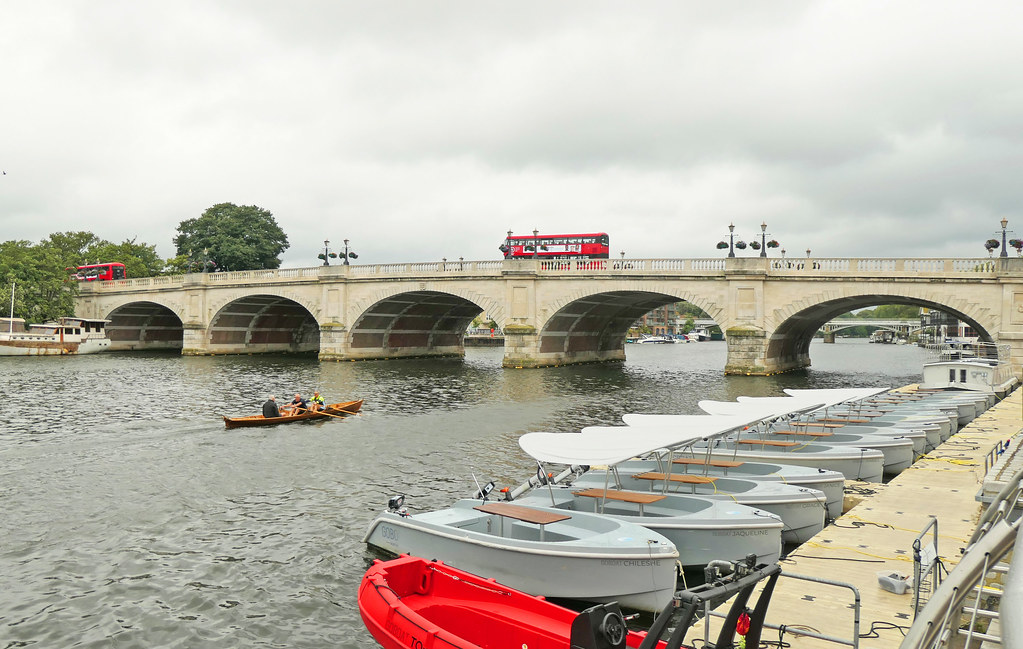
Adelaide's commuters spend more time stuck in traffic than they did five years ago, but the city's congestion levels remain well below those in Melbourne and Sydney-a gap that transport officials say could widen or narrow depending on decisions made in the next two years.
The finding comes from analysis of traffic flow data collected by the South Australian government and Transport Adelaide, the state authority responsible for managing roads and public transport. Peak-hour delays on South Road, the Prince of Wales Bridge, and the South Eastern Freeway have all increased by an average of 23 percent since 2021, according to data reviewed by this publication.
The timing matters. With the Lot Fourteen tech and space precinct drawing workers from across South Australia, the AUKUS submarine program ramping up employment in shipbuilding precincts at Techport and around Port Adelaide, and interstate migration picking up steam, transport planners face pressure to prevent gridlock before it takes root.
Brisbane has tackled similar growth pressures by investing heavily in bus rapid transit corridors. The TransLink network, which opened new lanes on key arterial roads between 2022 and 2024, moved 15 percent more passengers without expanding the road network itself. Officials in Adelaide have studied the model but say funding constraints have prevented comparable investment.
Perth, another Australian city facing rapid expansion, opted for a different approach: staggered work hours. Starting in 2023, major employers in the CBD agreed to shift start times across a 90-minute window, reducing peak-hour bottlenecks by approximately 18 percent. Adelaide has no formal scheme, though the South Australian government said last month it was exploring whether such an arrangement could work here.
Across the Tasman, Auckland has invested in congestion pricing for its central motorway corridors, a move that reduced vehicle volumes during peak hours by 12 percent but triggered significant community pushback. Transport Adelaide officials have ruled out pricing for now, saying political resistance remains too high.
The Crows and Port Adelaide both play at Adelaide Oval in the city center, and match days on weekends routinely create traffic on East Terrace and North Terrace. During the recent Crows fixture against Hawthorn at Football Park last week, peak congestion lasted four hours after the final siren.
Adelaide's average commute time stands at 31 minutes during peak hours, compared to 42 minutes in Melbourne and 48 minutes in Sydney, according to 2025 TomTom Traffic Index data. However, the gap has narrowed. In 2020, Adelaide's average was 25 minutes.
A $180 million injection into public transport announced by the state government in May included funding for new bus rapid transit lanes on King William Road and North-South Road, with construction scheduled to begin in 2027. The project aims to reduce commute times for bus users by up to 30 percent on those corridors by 2030.
The South Australian government is also examining a trial of flexible working arrangements with employers in the tech sector at Lot Fourteen, where companies like Myriota and Redarc Electronics operate. A three-month pilot is pencilled in for early 2027.
For commuters, the immediate reality is slower travel times. Drivers heading south on South Road toward Flagstaff can expect delays of up to 15 minutes during morning peak, while the Prince of Wales Bridge regularly backs up from 7:45 a.m. to 9:15 a.m. Public transport remains an option, though frequency on most services outside the city center runs at 20-minute intervals.
Transport planners say the next 18 months will determine whether Adelaide follows Brisbane's model of rapid transit investment or slides toward the congestion levels now routine in larger eastern seaboard cities. The decisions made at Transport Adelaide and in cabinet rooms on North Terrace will shape commutes for thousands of residents.

News

News
News
News
News
News
About this articleBeta
Published by The Daily Adelaide
Spread the word
Daily brief
Free, in your inbox before 7am. Weekdays.
The Daily Network — local news across Australia