News
Emergency Services in Adelaide: Latest Developments and What Happened This Week
New fire station openings, updated rescue equipment, and detailed incident data highlight the evolving emergency response landscape across Adelaide.
3 min read
News
New fire station openings, updated rescue equipment, and detailed incident data highlight the evolving emergency response landscape across Adelaide.
3 min read
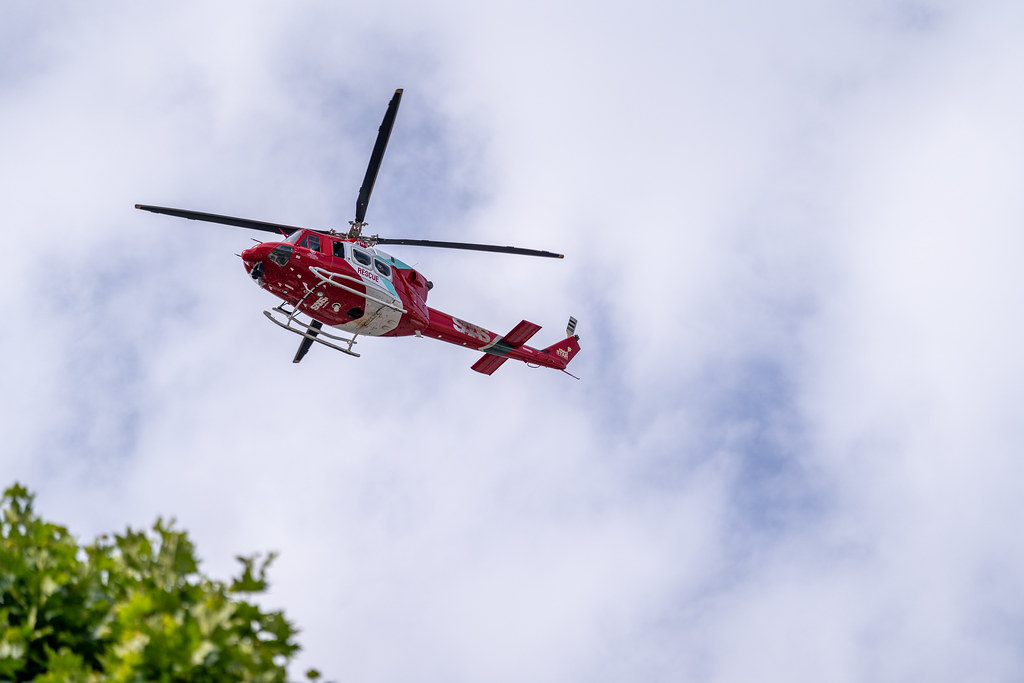
The South Australian Metropolitan Fire Service (SAMFS) and the State Emergency Service (SES) revealed important updates this week, including the opening of a new fire station in Morphettville and upgrades to rescue fleet equipment aimed at improving response times across Adelaide.
These developments come as Adelaide faces increasing demands on emergency services, fueled by population growth and climate challenges. Authorities say such investments are essential to maintain resilience against bushfires, floods, and urban accidents affecting the city's expanding suburbs.
On Monday, SAMFS officially launched the Morphettville Fire Station on Anzac Highway, marking the first new metropolitan station opened in seven years. The station is expected to serve the Adelaide inner-west suburbs including Plympton and Glenelg East. This facility adds six new frontline fire engines and houses a crew of 24 firefighters, boosting coverage particularly during peak summer bushfire season.
Meanwhile, the South Australian State Emergency Service rolled out 15 upgraded rescue vehicles this week, including two advanced high-water vehicles stationed at Goodwood and Noarlunga SES units. These specialized trucks improve flood rescue capacity in low-lying areas of the southern metro region. The SES also emphasized enhancements in communication gear, enabling first responders to coordinate more effectively during multijurisdictional operations.
South Australian emergency agencies reported 1,478 fire-related callouts in the metropolitan area over the past six months, a 12 percent increase compared to the same period in 2025. Flood rescues performed by SES volunteers rose by 18 percent, particularly in Gilles Plains and Salisbury, where recent storms caused localized inundation.
In terms of response times, the average arrival time for SAMFS at structural fire incidents improved to 7.2 minutes from 7.8 minutes reported last year, attributed in part to expanded stations and rapid deployment protocols. The government invested an additional $18 million this fiscal year into emergency services, focusing on infrastructure and training programs.
Additionally, community education events have increased, with more than 3,000 South Australians attending bushfire readiness workshops in June alone, notably held at the Burnside Community Centre and Mawson Lakes Library. Authorities continue to push fire safety and flood preparedness messaging given Adelaide's evolving climate risks.
Adelaide residents are encouraged to download the SA Emergency app for real-time alerts and to familiarize themselves with evacuation routes, especially those living near the foothills and flood-prone river plains. Regular home safety audits by volunteer groups, available on weekends at local councils, also help minimize avoidable risks.
The SAMFS and SES schedules call for further station upgrades and recruit intakes later this year in Elizabeth and Campbelltown, aiming to meet rising demand for emergency services amid ongoing urban expansion. Community feedback sessions planned in August will provide a platform for residents to discuss preparedness strategies directly with emergency planners.

News

News
News
News
News
News
About this articleBeta
Published by The Daily Adelaide
Spread the word
Daily brief
Free, in your inbox before 7am. Weekdays.
The Daily Network — local news across Australia