News
How Adelaide City Council’s recent decisions reflect years of planning and local pressures
Tracing the background to the pivotal council updates shaping Adelaide’s urban future today.
3 min read
News
Tracing the background to the pivotal council updates shaping Adelaide’s urban future today.
3 min read
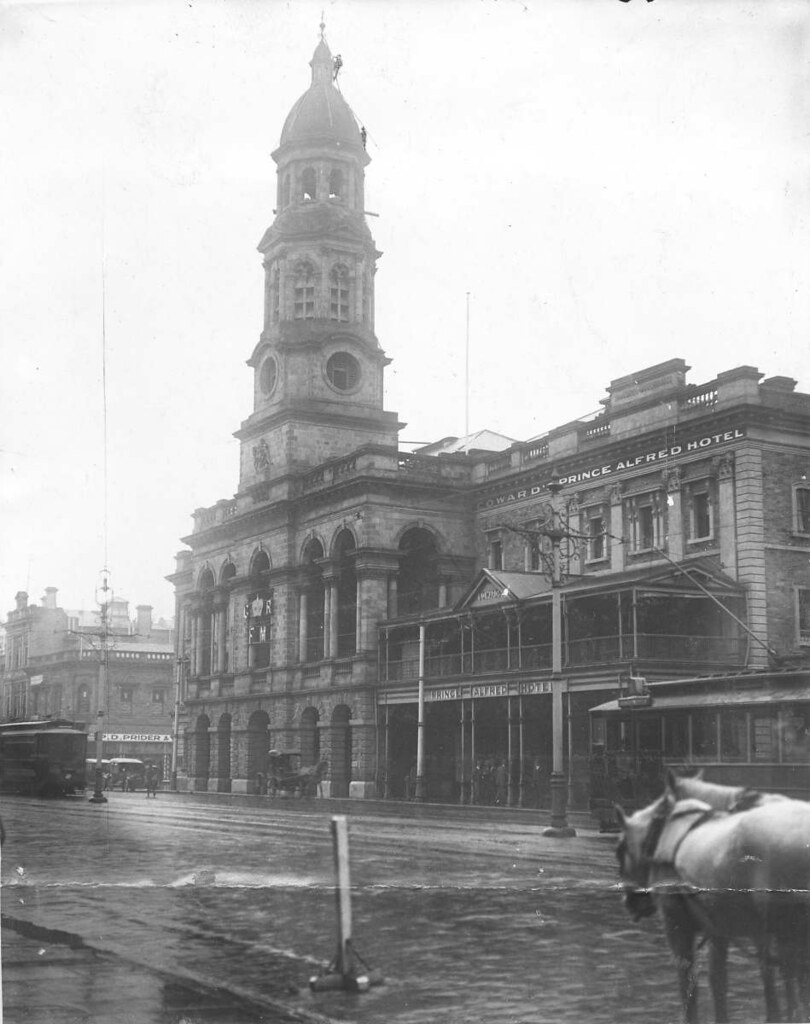
Adelaide City Council’s approval of the 2026-27 budget and the ambitious infrastructure upgrades on July 10 marks the culmination of years of political maneuvering, community consultation, and economic strategy aimed at revitalising the central business district and surrounding neighbourhoods.
This matters now as the city faces increasing pressures from a growing population, boosted by interstate migration, a diversifying economy centred around Lot Fourteen’s tech precinct, and the need to support the state government’s hydrogen employment plans and defence industry expansion. The council’s decisions set the framework for how Adelaide will manage these changes over the next decade.
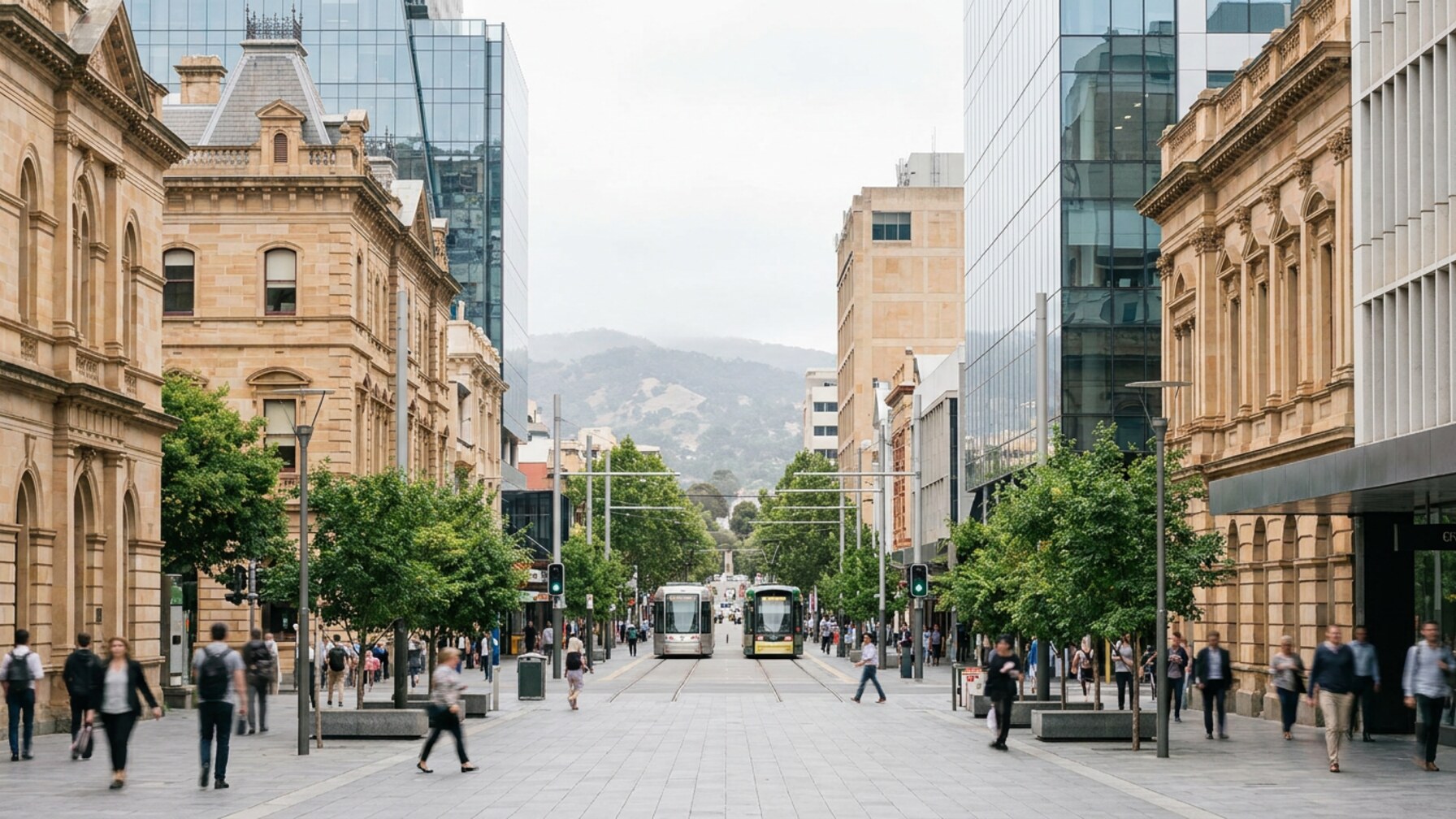
The council’s latest focus on upgrading King William Street and North Terrace is rooted in the broader transformation initiated by the rise of Lot Fourteen. Since its establishment in 2019, Lot Fourteen has become South Australia’s flagship innovation hub, attracting startups, space industry players, and state-backed research bodies. This precinct’s growth has created demand for improved public transport links and urban amenity to support thousands of new workers and residents.
Alongside Lot Fourteen, the council’s investment into the east-west renewal of Pulteney and Hutt Streets responds to longstanding concerns from the Adelaide Business Chamber and resident associations about pedestrian safety and underused commercial spaces. Upgrades here include widening footpaths, modernising street lighting, and enhancing green spaces to create more vibrant community nodes by late 2028.
The budget approved allocates $55 million towards these infrastructure projects, part of a total $220 million capital works program for the year. The council reports that public submissions this year soared to over 1,500, up 35% from 2025, reflecting heightened community engagement amid rapid urban change. This level of participation was the highest for council consultations since the 2017 City Plan overhaul.
Property values in the central city have grown steadily, with median prices in the East End rising 12% over the past 18 months to an average $1.2 million as of June 2026, according to CoreLogic data. This economic upswing adds urgency to council efforts to ensure infrastructure keeps pace with growth while preventing displacement of long-term residents.
Adelaide’s public transport usage also factors into these upgrades. Recent Adelaide Metro figures show weekday tram patronage on King William Road has increased 18% in the past two years, pushing calls for more frequent services and safer tram-stop designs.
The council is also mindful of environmental sustainability, aligning projects with the city’s Climate Strategy 2030. Initiatives include embedding solar lighting and expanding trees along revitalised corridors to cool urban heat islands, supporting the city’s ambitious goal to become carbon neutral within the decade.
Looking ahead, the council plans a second phase of consultations focusing on transport integration and affordable housing development near key transit hubs such as Adelaide Railway Station. Residents and business owners along King William and North Terrace can expect detailed design proposals by early 2027, with construction commencing mid-2027.
For locals navigating these changes, the council recommends checking regular updates on its website and participating in upcoming community workshops to shape final plans. These steps aim to balance Adelaide’s heritage character with the dynamic demands of a 21st-century city.
News

News
News
News
News
News
About this articleBeta
Published by The Daily Adelaide
Spread the word
Daily brief
Free, in your inbox before 7am. Weekdays.
The Daily Network — local news across Australia