News
How Adelaide's Emergency Services Evolved to Meet New Challenges
A look at the factors shaping South Australia's emergency response capabilities and the crucial developments leading to today’s system.
3 min read
News
A look at the factors shaping South Australia's emergency response capabilities and the crucial developments leading to today’s system.
3 min read
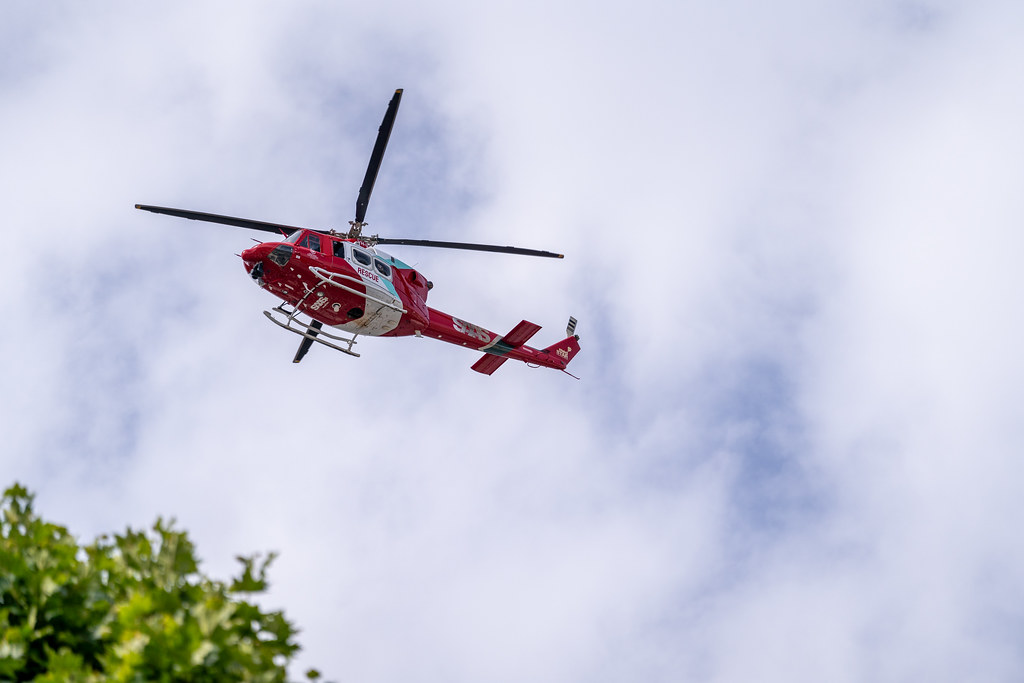
South Australia’s emergency services are undergoing significant enhancements after a decade marked by growing challenges including extreme weather events, population shifts, and budget pressures.
The timing of this shift coincides with the recent announcement of a $120 million expansion of the SA Metropolitan Fire Service (MFS) facilities, alongside upgrades at the State Emergency Service (SES) headquarters in Hindmarsh. These moves come as Adelaide faces increasingly frequent heatwaves and storm events, placing strain on existing emergency infrastructure and response times.
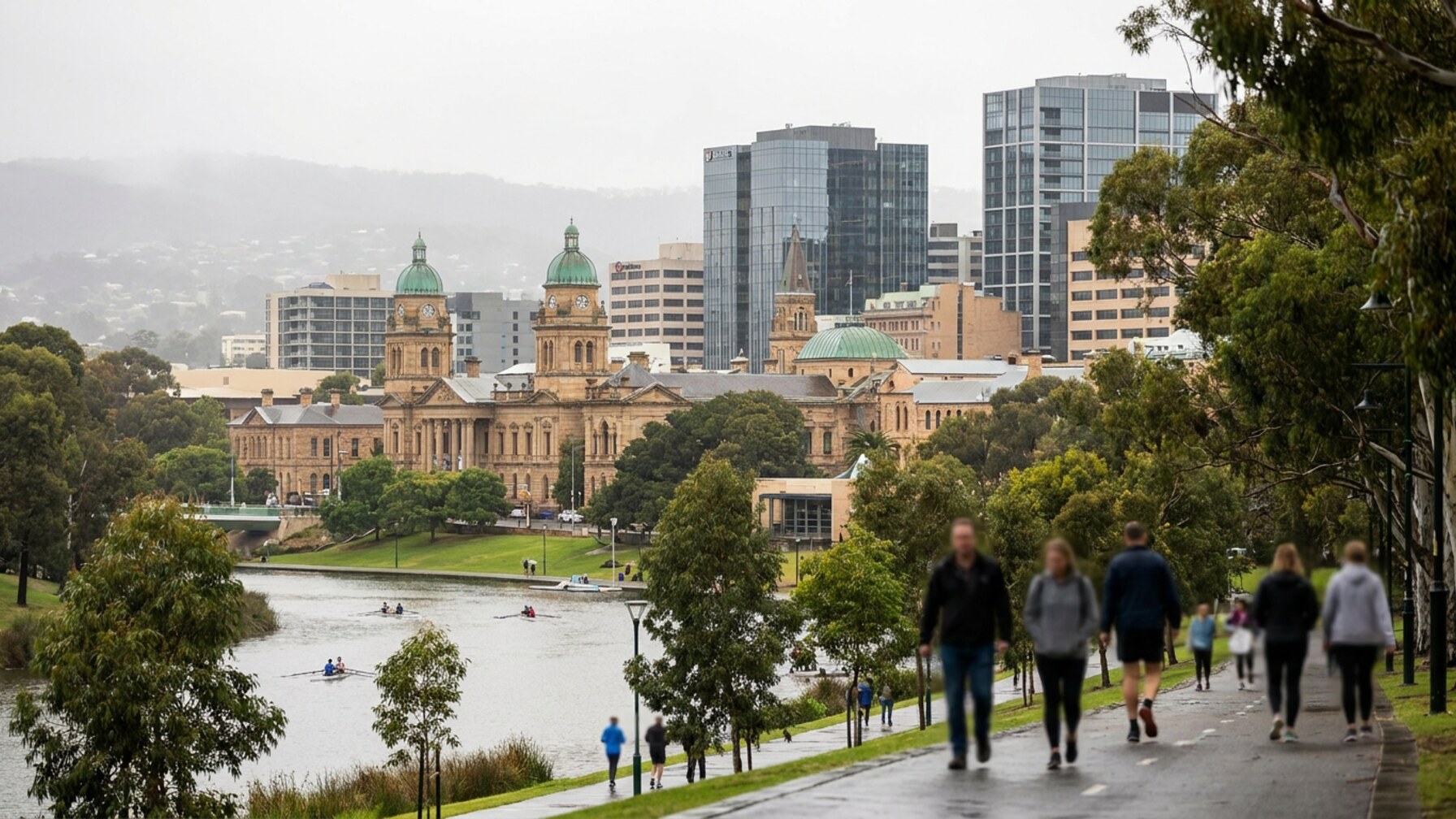
Adelaide’s urban sprawl and growing population density, especially in suburbs like Mawson Lakes and Seaton, have altered risk landscapes, requiring faster, more flexible emergency response options. The influx of interstate migrants-adding more than 20,000 residents to the metropolitan area since 2020-has increased demand on frontline services amid unpredictable climate patterns.
Additionally, South Australia’s strategic focus on emerging defence and technology hubs, such as Lot Fourteen and the burgeoning hydrogen industry in Port Adelaide, has created new emergency scenarios requiring specialised training and equipment. The recent establishment of the Hydrogen Emergency Response Unit in February 2025 reflects this reality, aiming to address risks associated with the state's aggressive hydrogen jobs plan rollout.
The MFS upgrade includes the new North District Fire Station on Commercial Road, Port Adelaide, scheduled to open in early 2027. This facility will serve areas previously reliant on stations up to 15 kilometres away, cutting emergency arrival times by an estimated 30%. Concurrently, the SES’s Hindmarsh centre is expanding its flood rescue fleet from 12 to 20 boats to prepare for the 2026-27 storm season.
Emergency services funding rose by 18% in the 2025-26 state budget, a response to both community pressure and independent reviews highlighting a 12% increase in call-outs over the past three years. This spike largely stems from climate-related incidents, with the Bureau of Meteorology recording a 40% increase in heatwave days in South Australia between 2016 and 2025.
The state government's strategy prioritises modernising communications systems and integrating data sharing platforms to enhance coordination across agencies, including the SA Ambulance Service and volunteer firefighting brigades operating out of suburbs like Tea Tree Gully and Morphett Vale.
Looking ahead, residents should prepare for a season where emergency services are better equipped but still expect high demand. Authorities urge South Australians to register with the SA Emergency Alert system, maintain emergency kits at home, and stay informed via the official SA Government app, particularly during the peak months of December through March.
As climate events increase and the state's population grows, Adelaide’s emergency services continue adapting-a complex process decades in the making that now aims to safeguard communities with greater resilience and speed.

News

News
News
News
News
News
About this articleBeta
Published by The Daily Adelaide
Spread the word
Daily brief
Free, in your inbox before 7am. Weekdays.
The Daily Network — local news across Australia