Adelaide is advancing multiple large-scale infrastructure projects that are positioning the city ahead of many comparable medium-sized global cities in terms of integration, funding, and future-readiness.
This surge in infrastructure activity comes as South Australia experiences a population increase of nearly 1.8% annually, fueled by interstate migration, and as the state government leverages significant federal investment through AUKUS and the hydrogen jobs plan.
Local initiatives fuelled by defence and innovation precincts
The state government’s recent $1.3 billion commitment to expand Lot Fourteen’s technology and space precinct is a cornerstone project, embedding Adelaide as a national defence tech hub. This builds on the ongoing $6 billion investment into the AUKUS submarine program’s infrastructure in Osborne, which has accelerated demand for smarter transport and housing solutions nearby.
Meanwhile, the Olympic Dam uranium expansion project in Roxby Downs, set to proceed through 2027 with a capital injection surpassing $2 billion, continues to require upgraded road access along the Stuart Highway, generating additional infrastructure planning challenges.
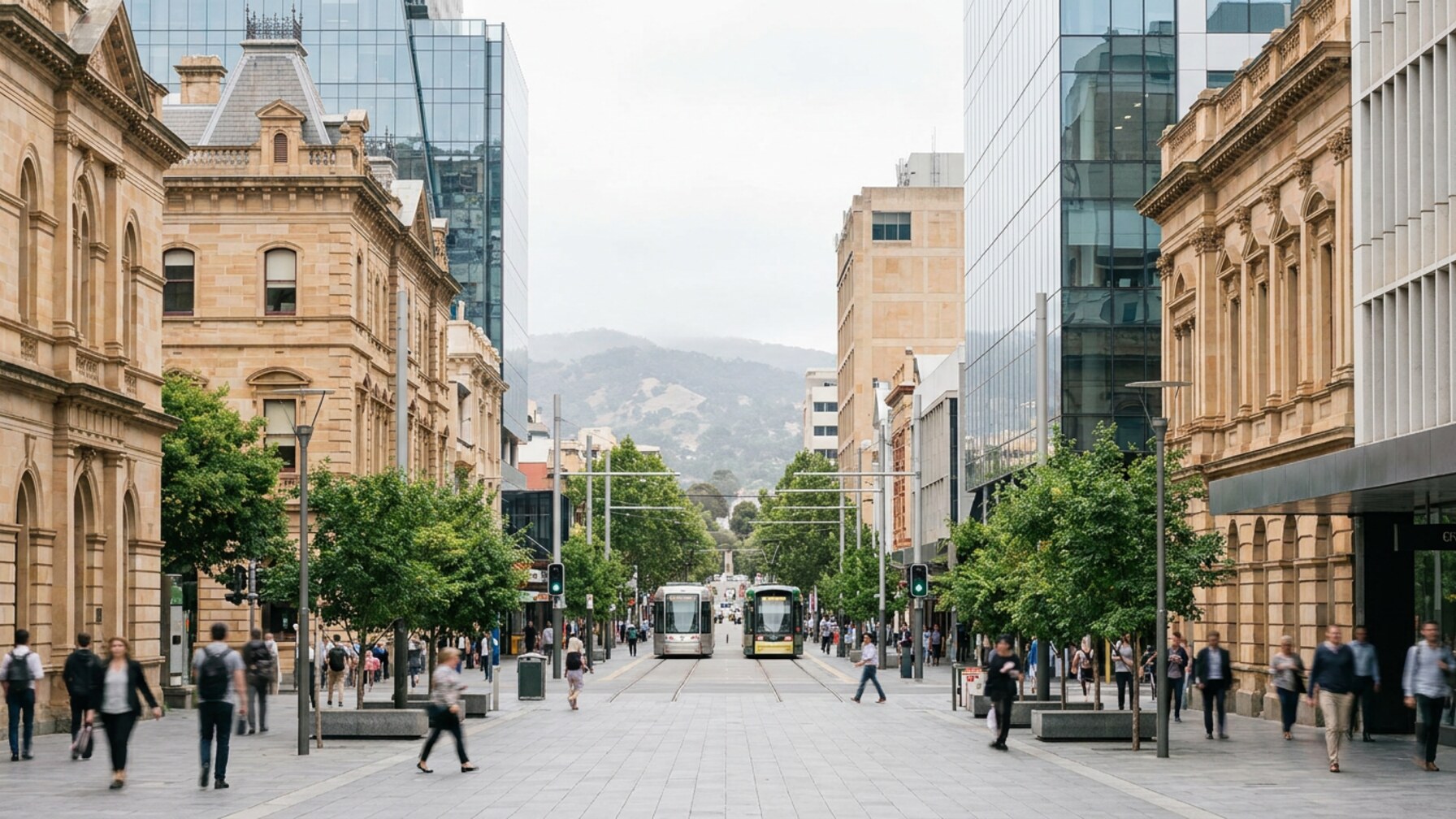
Adelaide's tram revitalisation under the South Road Superway initiative and improvements to the North-South Corridor reflect significant local government focus to ease congestion which impacts daily commuting for more than 80,000 vehicles through those veins.
Comparative data underscores Adelaide’s strengths and gaps
According to the Infrastructure Australia 2026 report, Adelaide’s per capita infrastructure spend of approximately $1,500 compares favorably with similar cities like Ottawa and Wellington, which average around $1,200. However, completion times in Adelaide run about 10% slower on average, largely due to supply chain interruptions affecting steel and concrete since late 2024.
The state government's infrastructure bonding program launched in 2025 has raised $850 million from private investors to fast-track projects, a more aggressive financing strategy than seen in comparable cities with similar populations of around 1.4 million.
Despite these advantages, residents remain cautious about rising property prices in developing suburbs such as Mawson Lakes and Munno Para, which have seen housing costs increase by 12% year-on-year, partly driven by transport upgrades but also by limited available land.
Looking forward, South Australia’s Infrastructure Department has unveiled a roadmap aiming for completion of major transit and housing projects by 2031, aligning with the state’s broader population and economic goals. This includes targeted expansion of the O-Bahn network and concerted efforts to integrate renewable energy demands into public infrastructure.
For Adelaide residents and businesses, keeping abreast of project timelines and potential disruptions is advisable. Local councils and state agencies are encouraging early engagement through workshops and online portals, particularly as construction zones expand along North Terrace and within the inner northern suburbs.