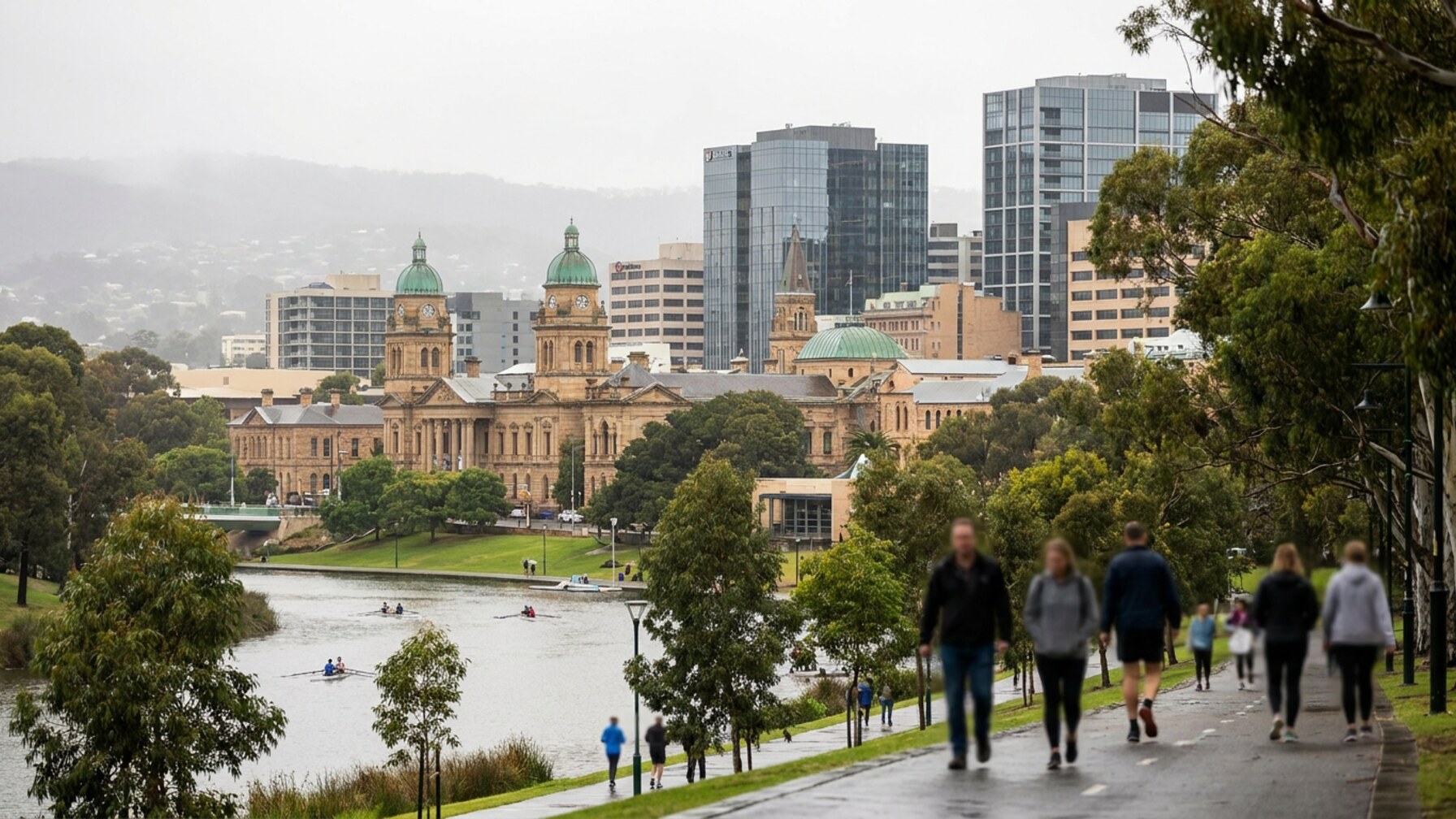
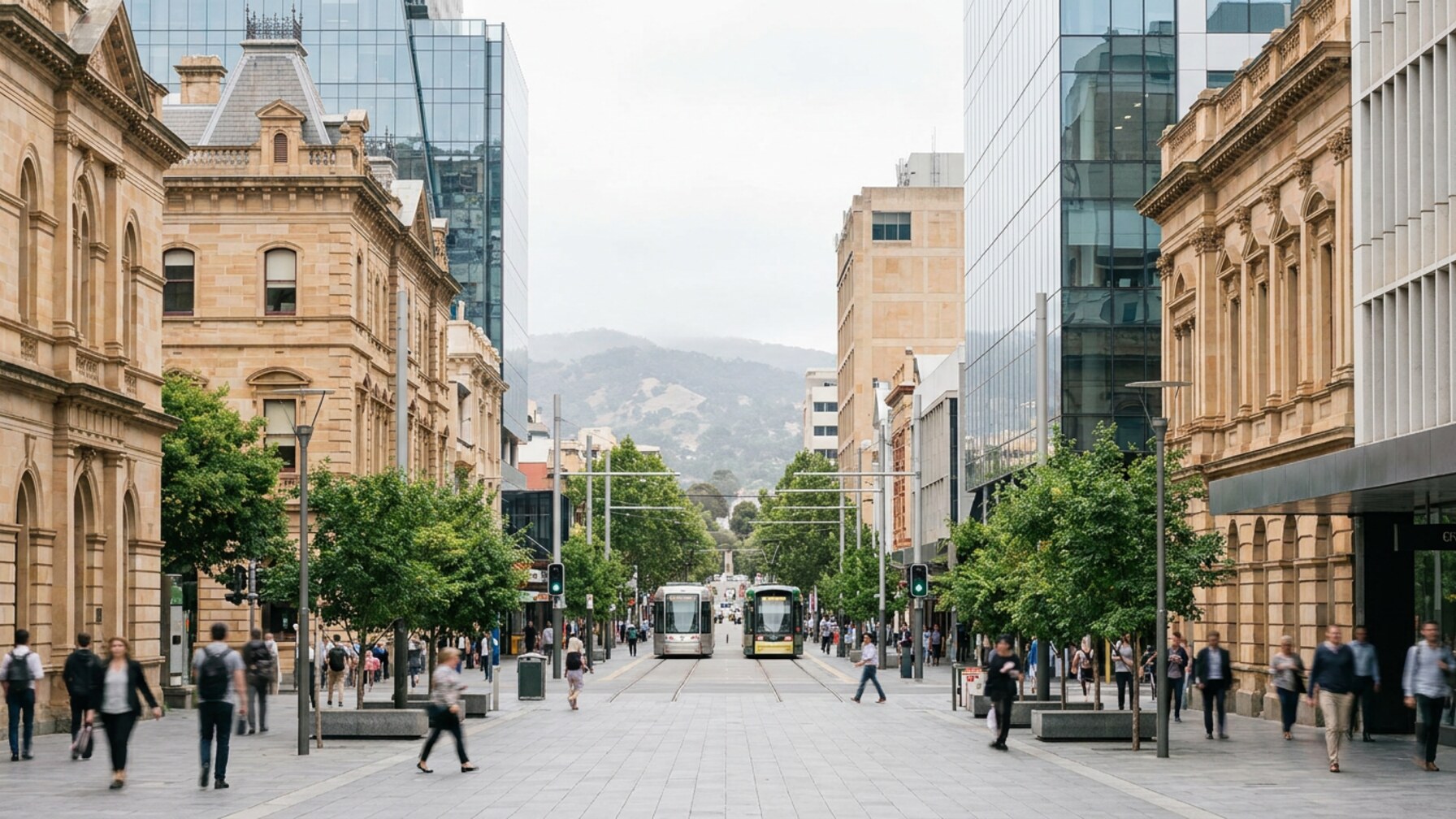
The City of Adelaide council has approved a series of zoning amendments that affect residential and commercial developments across several key precincts, including the light-industrial areas around Tonsley and parts of the CBD near North Terrace. These changes, passed last week, open the door to increased density and mixed-use buildings but also restrict some greenfield projects on the city’s fringe.
This decision arrives amidst rising housing pressures and persistent calls for better infrastructure, making it particularly relevant to residents who have watched Adelaide’s population climb steadily over the past five years. The council’s plan aims to balance growth with community needs, but locals in areas like Unley and Norwood will see immediate impacts, especially concerning parking availability and public transport accessibility.
Zoning Shifts Target Urban Renewal and Sustainable Growth
Adelaide’s push for revitalising spaces such as the Lot Fourteen precinct and the adjoining East End has accelerated in recent months, with the City Council’s zones designed to encourage higher-density living near these hubs. The changes permit developments up to eight storeys on Grenfell Street and parts of Franklin Street, a significant increase from previous restrictions that capped building heights around four storeys in many zones. This is meant to accommodate workers and students drawn to the emerging tech industries and the University of South Australia’s City East campus.
In Tonsley, the transition zone originally intended for automotive manufacturing has been repurposed to support light industry and research facilities linked to SA’s hydrogen jobs plan. Council’s amendments facilitate this shift by allowing mixed-use developments that combine residential apartments with commercial and research spaces, hoping to foster a live-work environment that reduces commute times for locals.
Community Concerns and Practical Implications
Recent data from the South Australian Housing Authority shows that Adelaide’s median house price climbed by 12.3% in the past year to $650,000, intensifying affordability issues. Against this backdrop, the council’s move to prioritize infill development over edge expansion may help contain urban sprawl but raises concerns among residents in inner suburbs about losing green space and community character.
Traffic studies commissioned by the council forecast a 15% increase in daily vehicles on main thoroughfares like Fullarton Road and Anzac Highway if density continues to rise without complementary improvements in public transport. Indeed, several local groups, including the Unley Residents Association, have voiced apprehension over potential congestion and pressure on local schools and healthcare services.
Nevertheless, the council plans to invest $20 million this fiscal year into expanding bike lanes and upgrading bus routes servicing these developing areas-a move aimed at encouraging sustainable transport choices.
For now, residents are advised to review the detailed zoning maps available on the City of Adelaide’s website to understand how the new rules affect their properties or neighbourhoods. Community consultation forums are scheduled throughout July at venues like the Norwood Town Hall and the Adelaide Town Hall to gather feedback and discuss future amendments.
Property owners considering redevelopment should consult updated planning guides and possibly engage with council planning officers early in their application process to navigate the new regulations effectively. Meanwhile, local schools and businesses would do well to prepare for the evolving demographic profile these zoning changes are likely to bring.
In short, Adelaide’s latest zoning decisions are more than administrative updates; they signal a shift in how the city will grow and function in the coming decade, with tangible effects on housing, transport, and community life.
About this article●Beta
Published by The Daily Adelaide
Covering news in Adelaide. This article was generated by AI, under human editorial accountability and risk-based review and our reasonable editorial care. Sensitive material is held for human review before publication. See our reasonable editorial care.
Beta: AI-assisted and human-overseen. Details may be imperfect, so please verify anything important.