News
Local Government Decisions Under Scrutiny: What Officials, Experts and Key Figures Are Saying
Amid rising costs and expanding infrastructure projects, Adelaide leaders weigh in on the future of city planning and services.
3 min read
News
Amid rising costs and expanding infrastructure projects, Adelaide leaders weigh in on the future of city planning and services.
3 min read

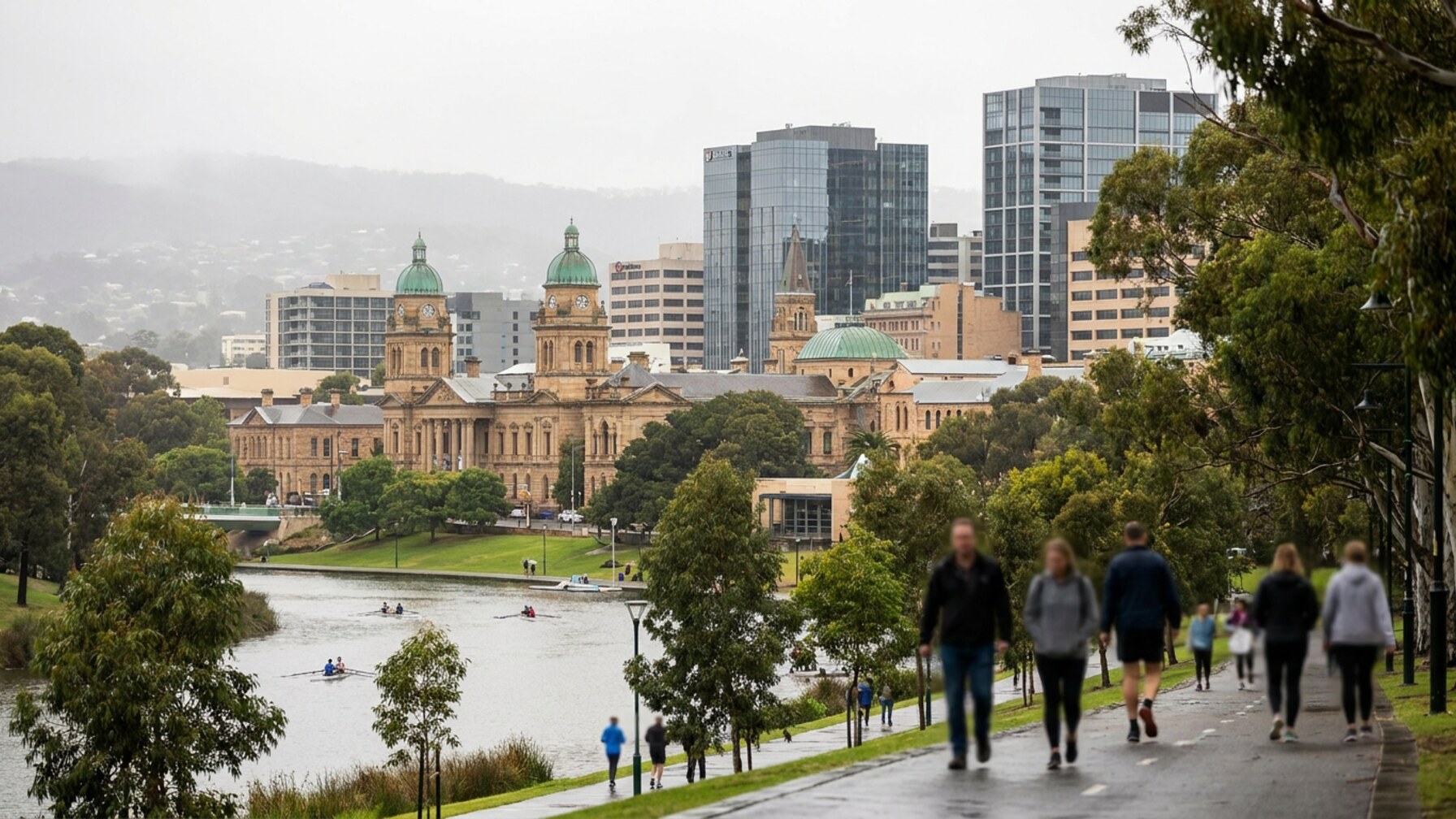
Adelaide's local government decisions are drawing attention across the city as officials, experts, and community leaders debate the future trajectory of urban development and public service funding. Key discussions during this month’s council meetings focused on managing growth in the city’s northern suburbs and balancing infrastructure projects with budget constraints.
The urgency of local government decisions is underscored by rapid population increases in areas like Munno Para and Elizabeth, where new housing developments are pushing demand for roads, schools, and public transport. The City of Playford council has identified a $120 million budget shortfall in planned upgrades to Main North Road and surrounding infrastructure that serve these expanding communities.
At the same time, the City of Adelaide faces its own challenges with pressure to upgrade aging facilities and improve the liveability of precincts such as Lot Fourteen, the tech and space innovation hub. Officials from both councils highlighted the complexity of distributing limited funds between growing outer suburbs and the inner CBD’s expanding economic zones.
Recent data from the South Australian Department of Treasury and Finance reveals that local government spending on infrastructure rose by 9.3% in the 2025-26 financial year compared to the previous year, yet inflation and material costs have escalated renovation and construction expenses by over 12%. These figures indicate tightening budgetary pressures for city planners.
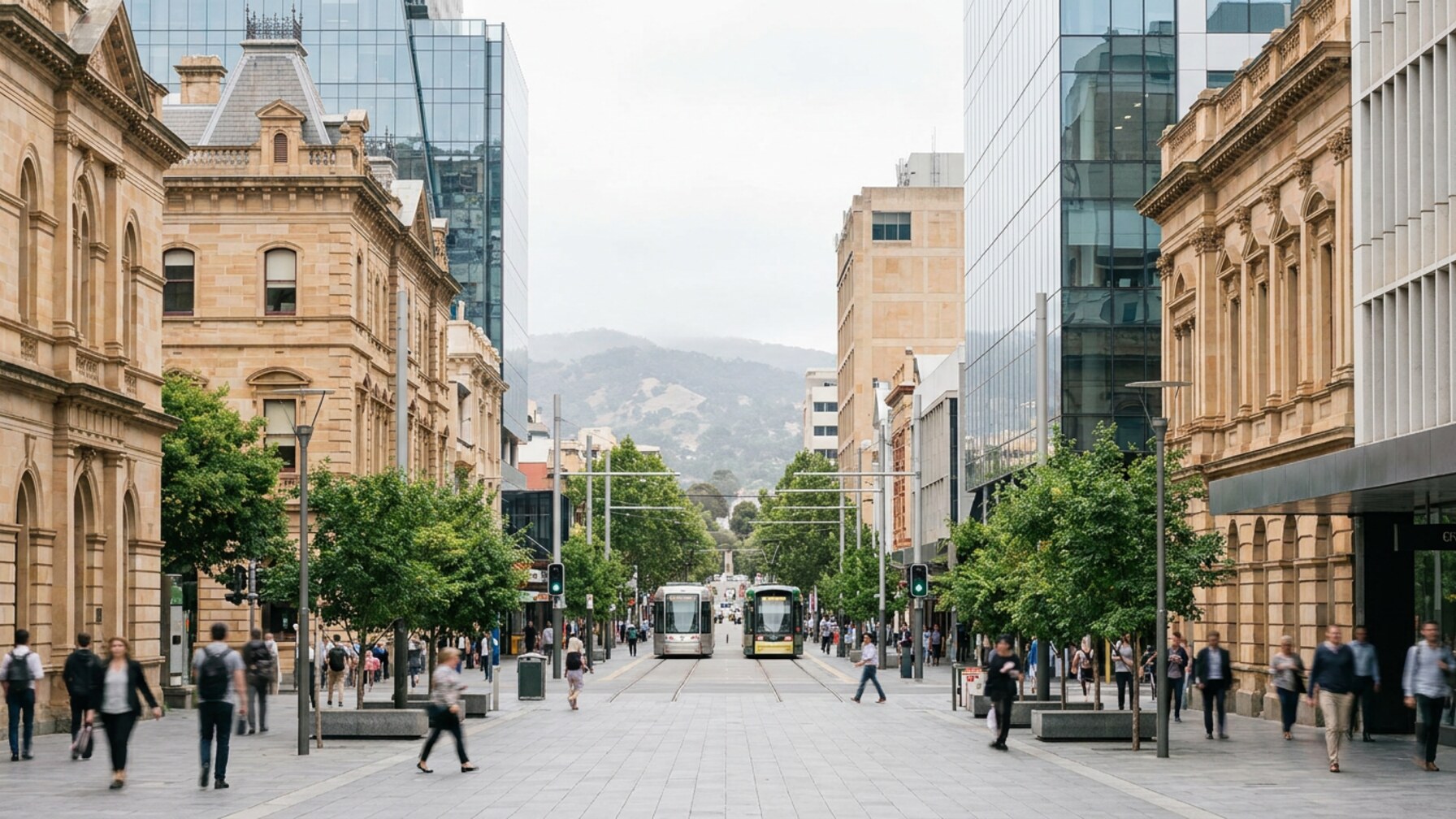
Experts emphasize that the combination of these financial stresses with demographic shifts demands more strategic investment. A council briefing presented in late June showed that Munno Para’s population grew by 4.2% annually over the last five years, increasing pressure on schools and health services managed at the local government level. Simultaneously, the Lot Fourteen precinct expects to double its workforce by 2030, requiring improved public transport links along North Terrace and King William Street.
Local government auditor Sarah Hill points out, "There is an urgent need for integrated planning that aligns transport, housing, and economic investments. Piecemeal decisions risk inefficiencies and community dissatisfaction." Meanwhile, leaders from the state’s hydrogen jobs plan have flagged ongoing discussions with councils to incorporate energy transition infrastructure into urban development frameworks.
Key figures like Adelaide City Council Mayor Ellen Easton stress that finding a balance between fostering innovation zones, like Lot Fourteen, and servicing growing suburban populations, requires community engagement and state government collaboration. "The dialogue must include voices from across the city to ensure equitable access to services and sustainable growth," Easton said in a recent statement.
Community groups have also called for increased transparency around rate rises, which some residents fear may climb beyond inflation due to these infrastructure needs. The Local Government Association of South Australia has scheduled a forum this September to explore fair funding models that will support both established and emerging neighborhoods.
For residents and businesses, the immediate impact of these decisions will manifest in upcoming rate notices and potential changes to public transport timetables and routes, particularly in northern Adelaide. Monitoring council websites and participating in public consultations scheduled over the coming months will be crucial for those looking to influence outcomes.
The next phases of budgeting and project approvals in August and September will be watched closely by stakeholders. With the city’s infrastructure underpinning Adelaide’s role as a growing defence and technology hub, how local government balances growth, cost, and community expectations remains a defining challenge for the months ahead.

News

News
News

News

News
News
About this articleBeta
Published by The Daily Adelaide
Spread the word
Daily brief
Free, in your inbox before 7am. Weekdays.
The Daily Network — local news across Australia