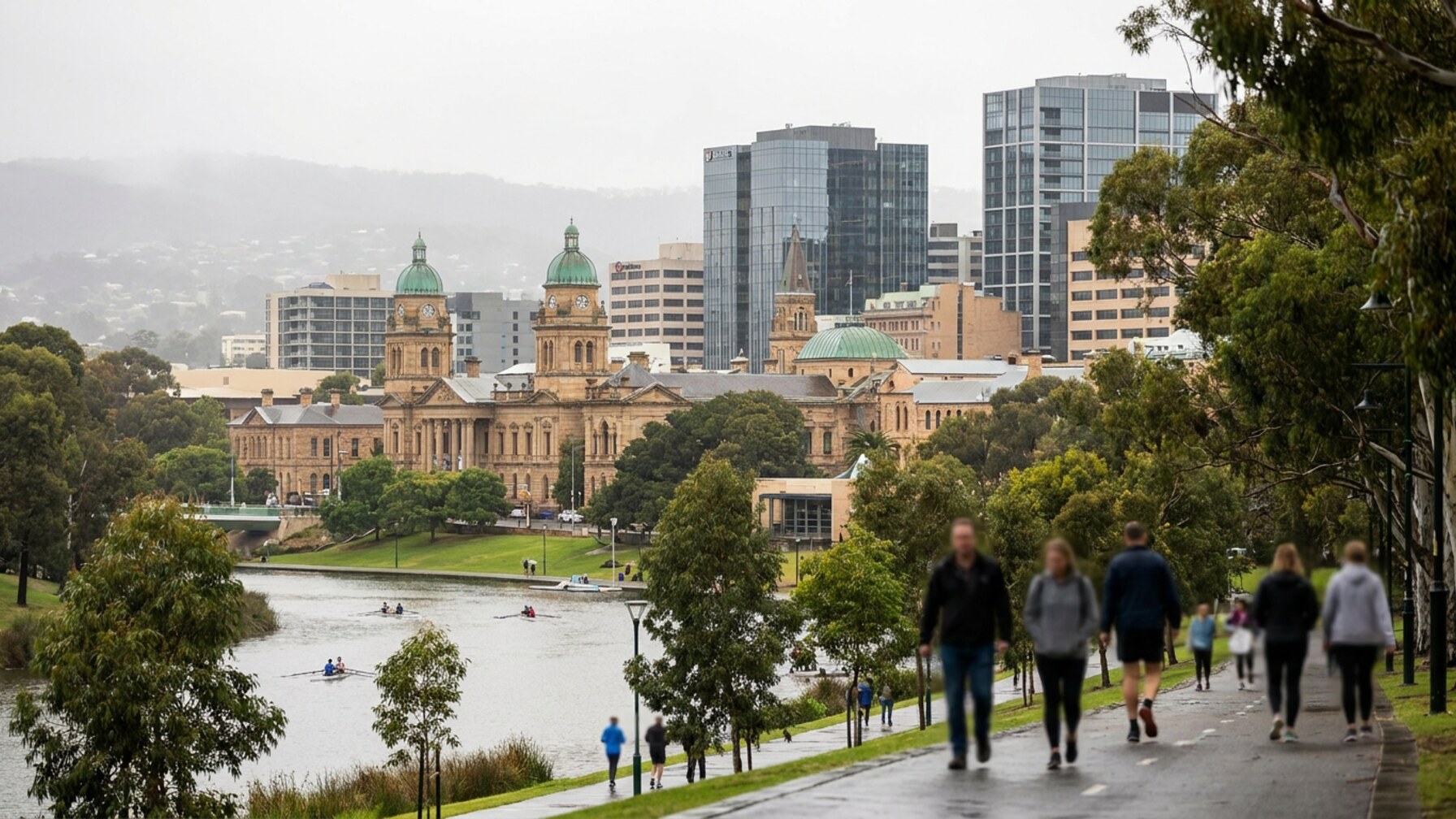
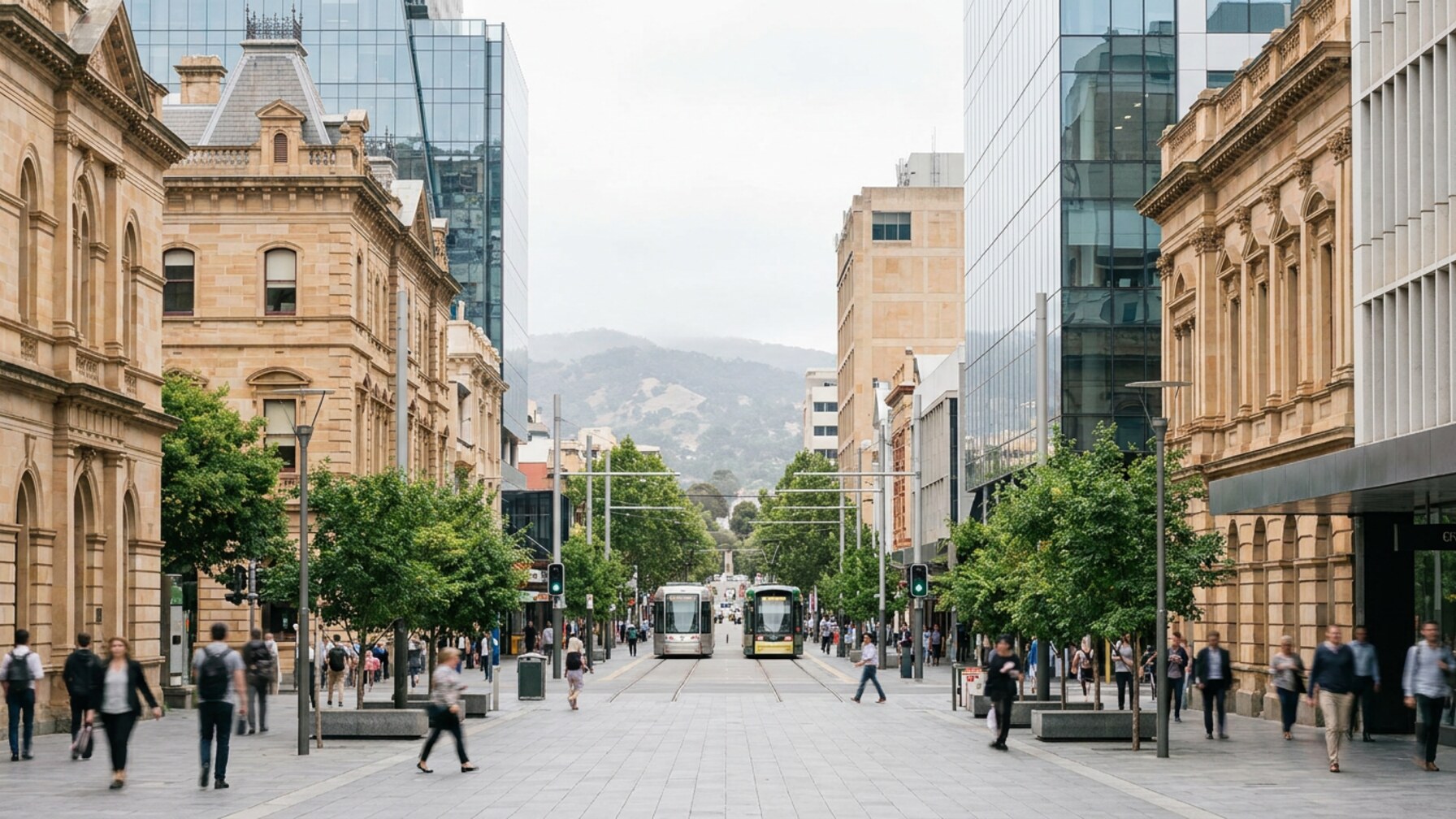
Adelaide City Council’s recent governance measures, including the adoption of new by-laws and the administration of supplementary elections, reflect its commitment to modernising local government operations. These steps position Adelaide alongside cities worldwide that are updating regulatory frameworks to enhance transparency and community involvement.
Adelaide’s Progressive Local Governance in a Global Context
In 2024, the City of Adelaide endorsed a suite of by-laws that came into effect on 5 January 2025, updating regulations concerning moveable signs and the use of local government land. The council’s swift implementation of these by-laws aligns with international trends where cities are actively refining municipal legislation to better address contemporary urban challenges and community expectations.
This matter gains importance amid the growing complexity faced by urban councils globally in balancing development pressures, civic engagement, and transparency. Adelaide’s governance also recently experienced an unusual circumstance with a 2025 District Court ruling confirming the influence of illegal practices on a 2022 Central Ward election. However, the maintenance of council decision validity since the contested election demonstrates robust statutory safeguards, which are essential to upholding public confidence in local government-an issue that resonates in democratic cities worldwide.
Local Detail: Structured Governance and Community Engagement
Adelaide City Council meets formally twice per month, specifically on the second and fourth Tuesdays except during holiday months January and December. These meetings, held regularly since at least late 2024, serve as the primary decision-making venues for motions affecting the city. Such structured and frequent gatherings mirror governance methods seen in other mid-sized global cities committed to transparency and efficient decision-making.
Moreover, Adelaide’s Miscellaneous Amendment By-law 2025, adopted in April 2025 and set to come into effect on 1 September 2025, underscores a continuous approach to legislative refinement based on community input. The council’s review of over 500 active confidentiality orders under the Local Government Act, with planned partial or full releases scheduled towards the end of 2024, further illustrates a drive to balance transparency with procedural confidentiality-a nuanced approach also evident in other leading cities.
In practical terms, the council’s confirmation of supplementary election results for the Central Ward in late 2025 and acceptance of declarations by newly elected members reflect stringent adherence to democratic processes, a standard expected of local governments progressing in the modern urban governance landscape.
Evidence in Adelaide’s Local Government Approach
Qualitatively, the adoption and ongoing amendment of by-laws, alongside the fulfilment of statutory electoral procedures, indicate Adelaide’s local government is dynamically responding to evolving regulatory demands. While not providing precise comparative statistics, the city demonstrates a high level of institutional activity and responsiveness, similar to other cities prioritising good governance practices amidst legislative and electoral challenges.
The city’s initiative to manage transparency through its confidentiality order review process concurs with contemporary global governance trends that seek increased openness without compromising sensitive administrative functions. Adelaide’s frequent council meetings and methodical electoral validations serve as an indicative model of maintaining democratic stability and community trust.
What Lies Ahead for Adelaide’s Council Governance
Looking forward, the City of Adelaide’s approach of iterative legislative updates and transparent electoral management presents practical lessons for stakeholders. Residents and local businesses can anticipate an evolving regulatory environment that incorporates community consultation and consistent oversight. The council’s schedules for review and implementation suggest ongoing opportunities for public engagement and adjustments reflecting urban growth and social expectations.
As Adelaide continues on this trajectory, its governance model may serve as a constructive example for similar-sized cities worldwide seeking to harmonise efficient administration with democratic integrity and community responsiveness.
About this article●Beta
Published by The Daily Adelaide
Covering news in Adelaide. This article was generated by AI from the linked sources, under human editorial accountability and risk-based review and our reasonable editorial care. Sensitive material is held for human review before publication. See our reasonable editorial care.
Beta: AI-assisted and human-overseen. Details may be imperfect, so please verify anything important.