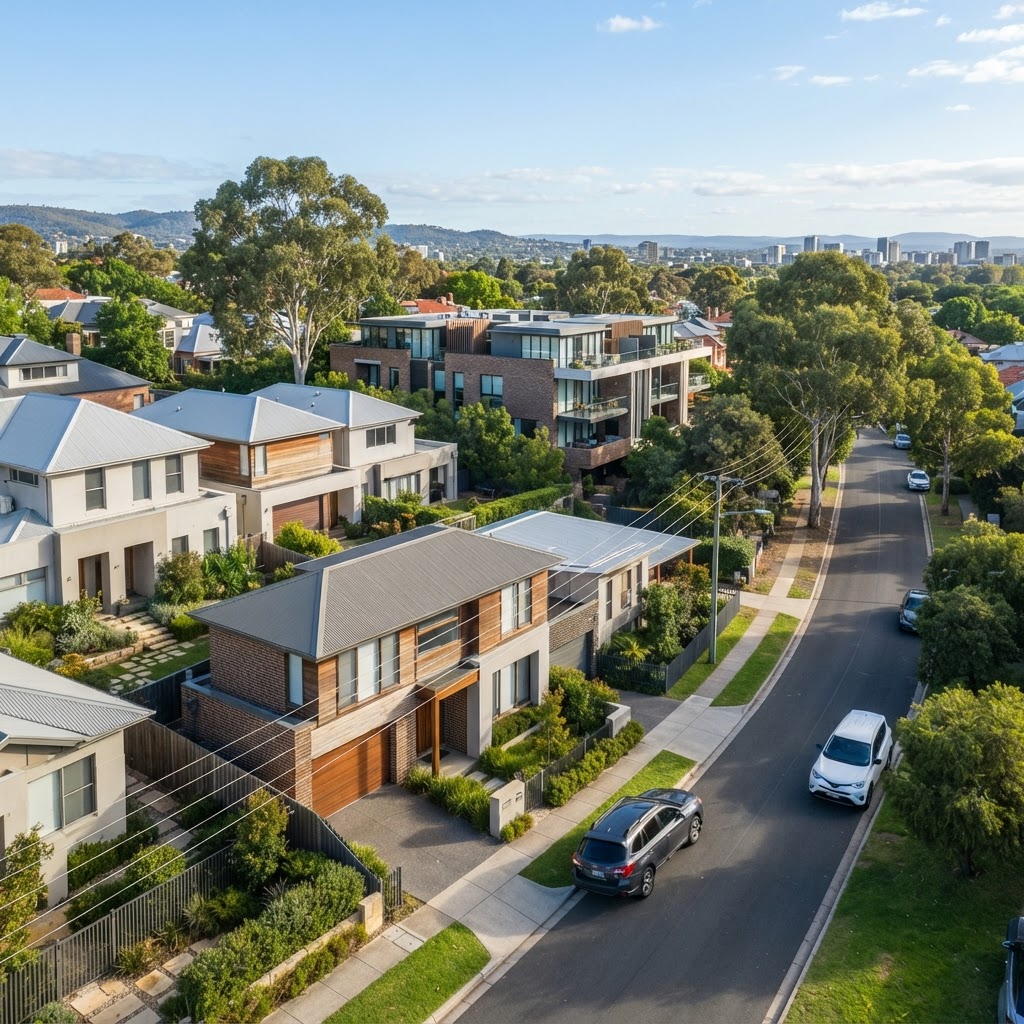
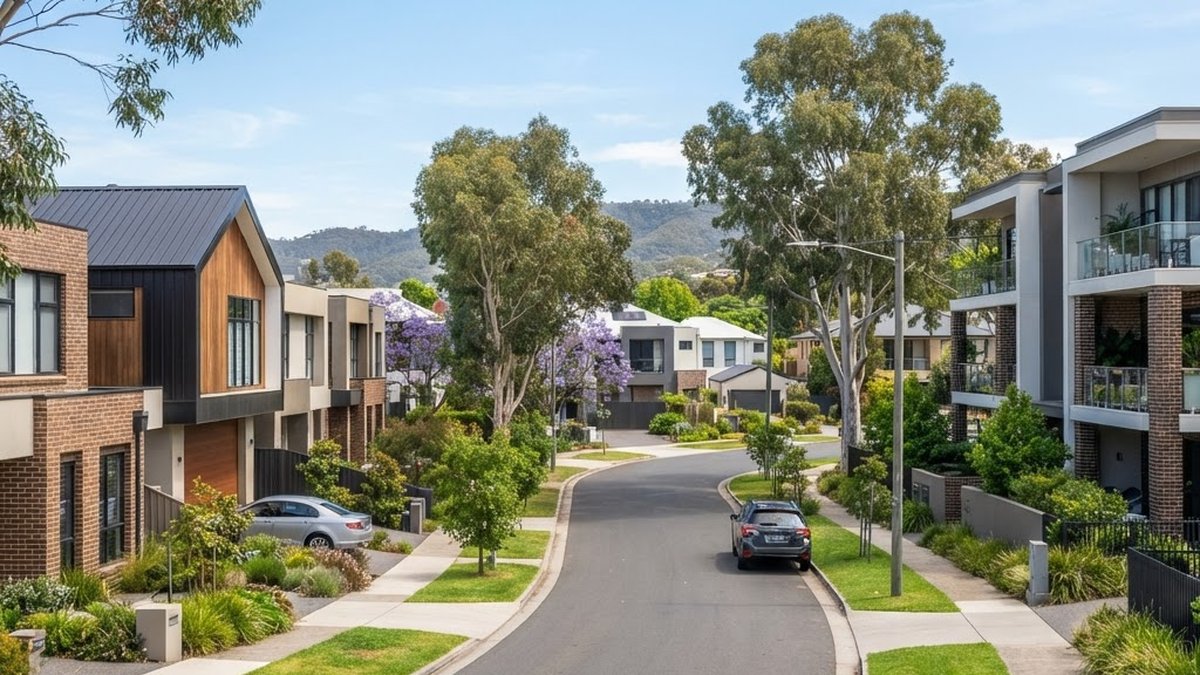
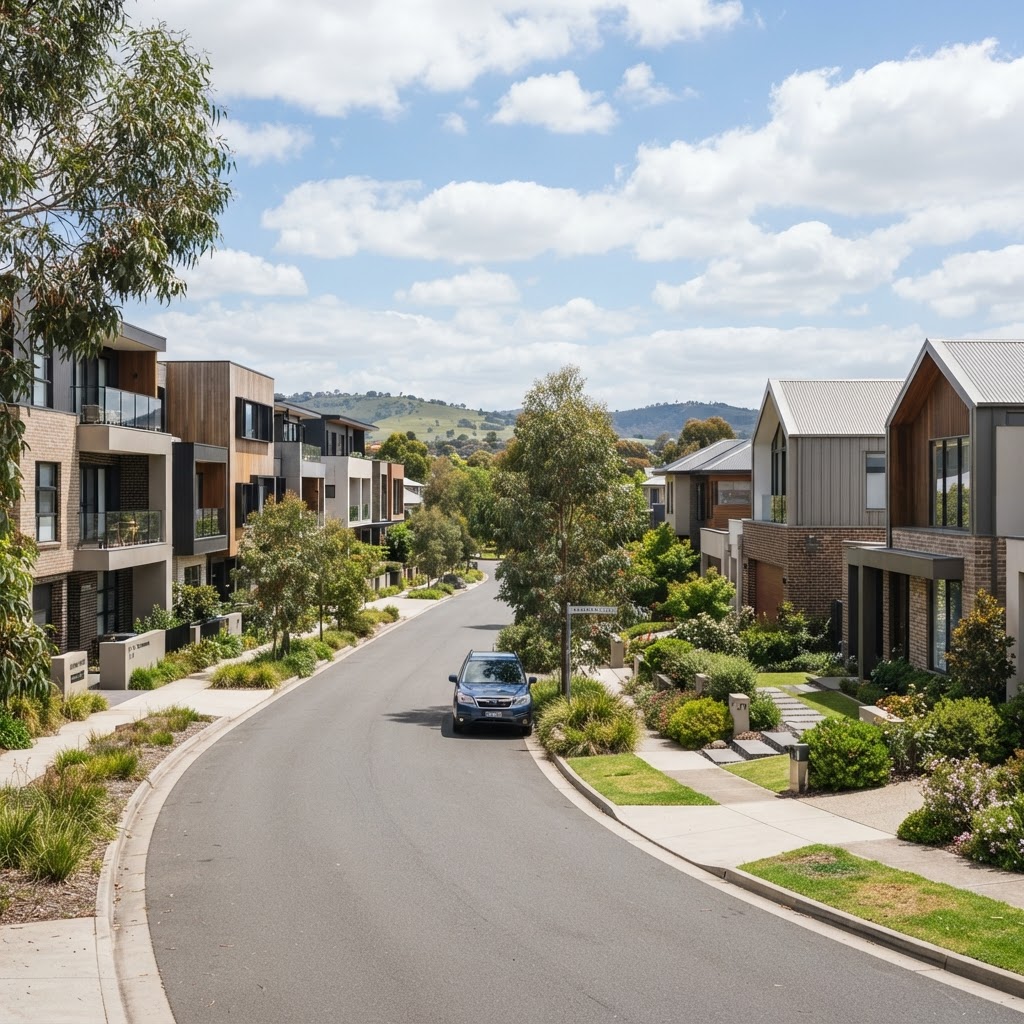
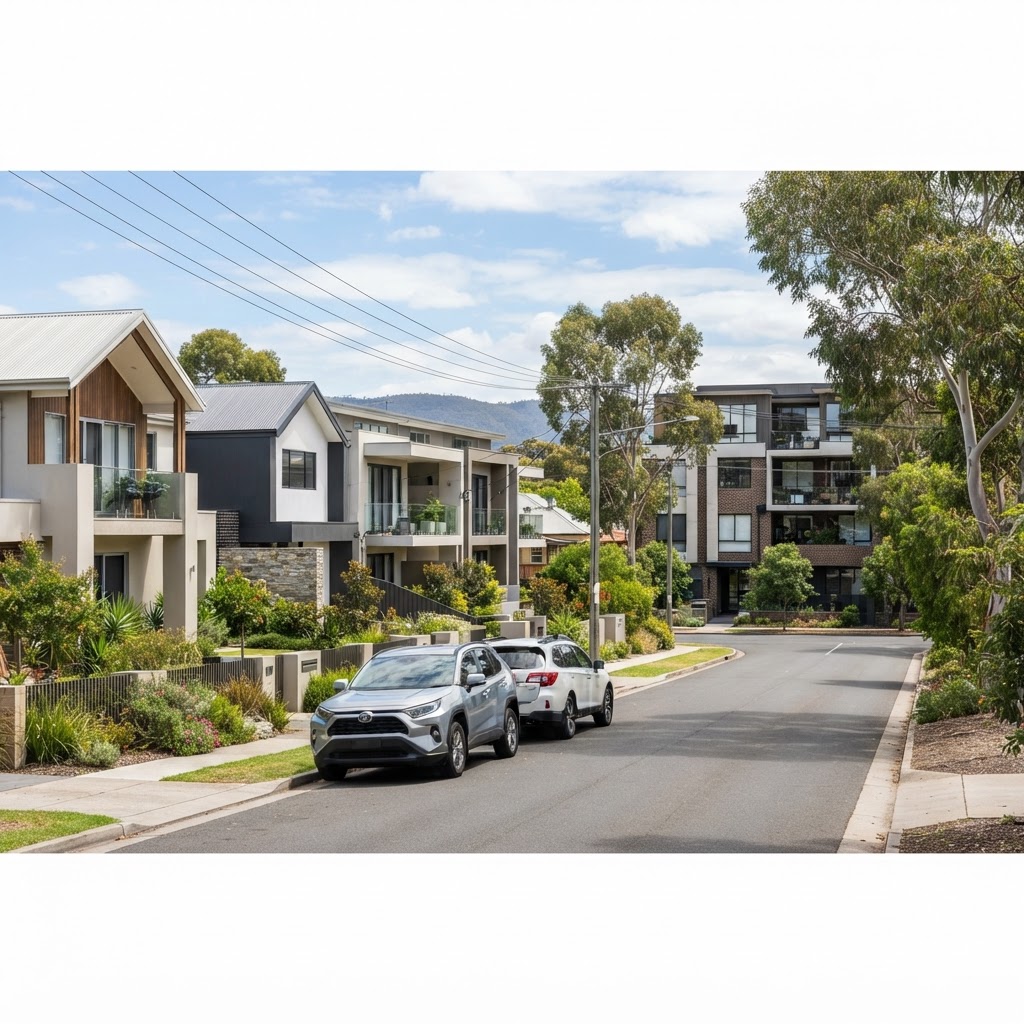
Adelaide's median house price is sitting around $720,000, and while that still makes it the most affordable capital city market in the country, the gap between renting and buying has rarely felt wider for people without a deposit already in the bank. Build-to-rent, large-scale residential developments designed from the ground up to be leased rather than sold, is finally arriving in South Australia, and it brings a different set of promises than the standard landlord-tenant arrangement most renters know.
The timing matters. Generation Z is vocal about still wanting to own property, but wage growth has not kept pace with prices in inner suburbs like Prospect and Norwood, where a detached home now routinely trades above $900,000. For a renter on an average South Australian income who cannot assemble a 20 percent deposit without years of sacrifice, the question is no longer simply "rent or buy", it is increasingly "what kind of renting?"
What Build-to-Rent Actually Offers
Unlike the typical investment property, a build-to-rent development is owned by a single institutional entity, a superannuation fund, a property trust, or a dedicated housing company, which manages the entire building as a rental asset indefinitely. That structural difference has practical consequences for tenants. Longer lease terms are a signature feature, with some operators offering two- or three-year agreements as standard rather than the 12-month rollovers that leave renters anxious each spring. Pet-friendly policies and furnished options also feature more prominently than in the private rental market.
In Adelaide, the build-to-rent pipeline is modest but growing. Renewal SA, the state government's land development agency, has been working to activate underused urban land in the city's inner ring, and the Bowden urban village, on Park Terrace in the inner north, has already demonstrated there is appetite for high-density living close to the CBD. Discussions around further build-to-rent-compatible sites in the broader Lot Fourteen precinct on North Terrace have also circulated in planning circles, reflecting a push to diversify housing typologies near knowledge and innovation precincts.
The South Australian Housing Authority has separately flagged community housing partnerships as one mechanism to expand affordable rental supply, though purpose-built institutional build-to-rent targeting the private market represents a distinct segment, one aimed squarely at working renters who earn too much for social housing but too little to buy comfortably in suburbs like Unley or Burnside.
The Numbers That Shape the Choice
Nationally, build-to-rent rents tend to track close to, and sometimes marginally above, comparable private rentals in the same suburb, in exchange for the security and amenity on offer. In Adelaide's inner north-east, a two-bedroom apartment in the private rental market is currently averaging around $450 to $500 per week, according to recent data published by the Real Estate Institute of South Australia. A build-to-rent equivalent in the same location would likely sit at the upper end of that band or just beyond it, meaning the premium is real but not enormous when weighed against the value of lease stability and professional building management.
The federal government's managed investment trust tax concession for build-to-rent projects, adjusted in 2024 to lower the withholding tax rate for eligible developments, was specifically designed to make the model financially viable for institutional investors at the scale needed to move the needle on supply. South Australia's relatively lower land costs compared to Sydney or Melbourne mean the economics can stack up here sooner than in other markets.
For renters weighing their options right now, the practical advice is straightforward: if a build-to-rent development opens in your target suburb, scrutinise the lease terms before focusing on the headline rent figure. A 24-month lease with no break clause from a landlord who cannot sell out from under you mid-tenancy is a meaningfully different product from a 12-month private rental, particularly for households with school-aged children or stable employment anchoring them to a specific part of the city. Watch the Bowden and Lot Fourteen precincts, they are the most likely locations for Adelaide's first large-scale build-to-rent announcements within the next 12 to 18 months.
This article is general information only and is not personal financial or investment advice. Consider your own circumstances and seek licensed professional advice before making financial decisions.