The maths is starting to shift. In Adelaide, where the median house price sits at roughly $720,000, still the most affordable of any Australian capital city, the gap between what it costs to rent a home and what it costs to service a mortgage on one has pushed a fresh cohort of buyers toward a strategy that decouples where you live from where you invest.
Rent-vesting, put plainly, means renting a property in a suburb you want to live in while simultaneously purchasing an investment property in a suburb you can actually afford to buy into. It sounds counterintuitive. But for younger Adelaide buyers who want a foothold in the market without sacrificing proximity to the CBD or the Rundle Street café strip, it is increasingly the calculation being made.
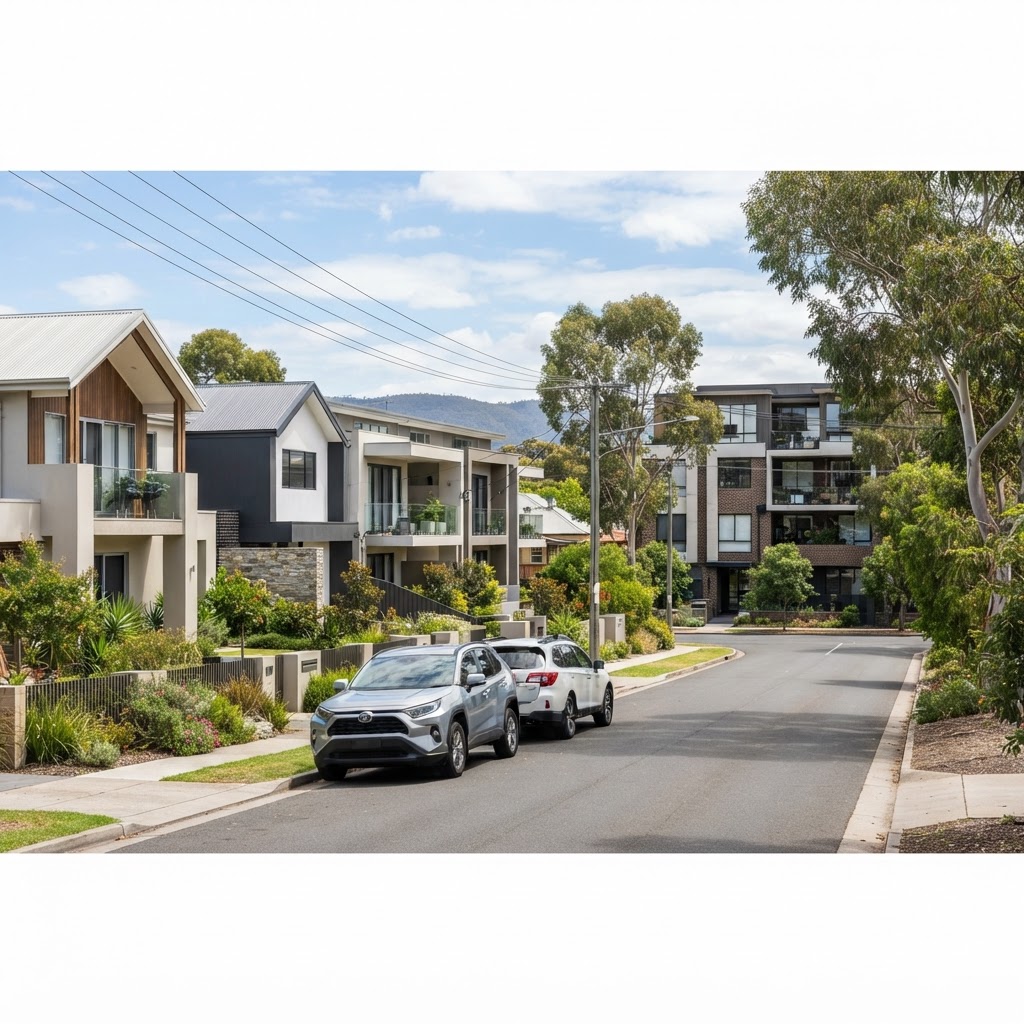
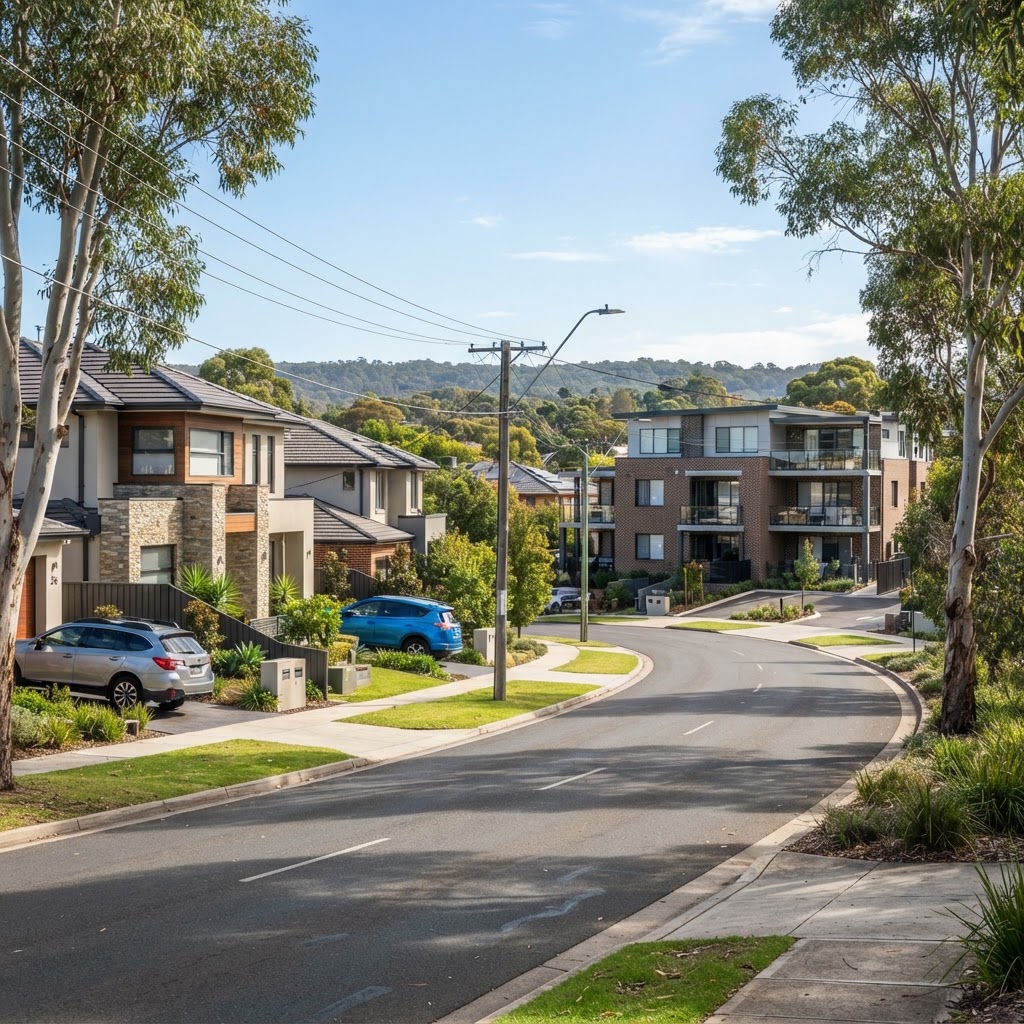
Now compare that to the city's northern growth corridor. Suburbs like Davoren Park, Elizabeth Vale and Smithfield Plains, all sitting within the City of Playford local government area, have median house prices that remain well under $450,000. Rental yields in these areas are among the strongest in metropolitan Adelaide, driven by population growth along the North-South Corridor and steady demand from workers connected to the Lyell McEwin Hospital precinct and the Edinburgh Parks industrial zone.
The practical structure of rent-vesting looks like this: a buyer rents a home in inner Norwood for $600 per week, then uses their deposit to purchase a three-bedroom house in Smithfield Plains for $420,000. Their mortgage repayments on that investment property, at current variable rates hovering around 6.2 per cent for a standard owner-occupier product, with investor rates typically a fraction higher, come to roughly $550 to $600 per week on a 30-year principal-and-interest loan at 80 per cent LVR. The rental income from tenants covers most or all of that cost. The buyer stays mobile, lives where they want, and builds equity in a market they could actually enter.
The catch, and what state programs offer first-timers
There is a significant catch. First-home buyer concessions in South Australia, including the $15,000 First Home Owner Grant administered through RevenueSA, are only available on owner-occupied purchases of newly built homes. A rent-vesting strategy, buying an existing property as an investment, locks buyers out of that grant entirely. Stamp duty concessions for first-home buyers also hinge on owner-occupation. Anyone pursuing rent-vesting needs to go in clear-eyed: they are forfeiting state government incentives that could otherwise reduce their upfront costs by tens of thousands of dollars.
Land tax is the other lever to understand. Investment properties in South Australia are subject to land tax once the site value crosses the relevant threshold, currently set at $668,000 for the 2025-26 financial year under the State Revenue Office's published schedule. Most entry-level investment purchases in the northern corridor sit well below that threshold, but buyers holding multiple properties over time need to account for aggregation rules that combine site values across a portfolio.
The strategy also carries lifestyle trade-offs that don't appear in a spreadsheet. Renters remain subject to lease terms, rent reviews and the decisions of a landlord, even as they play the role of landlord themselves on their investment property.
For buyers who have absorbed all of that and still want in, the practical first step is running a detailed cash-flow comparison, not just headline repayments, that accounts for property management fees (typically 8 to 10 per cent of rent in Adelaide), council rates, insurance, maintenance reserves and vacancy risk. The northern corridor's strong yield story is real, but it is only compelling if the numbers hold across a full cost model, not just the purchase price line.
Adelaide's affordability advantage over Sydney and Melbourne is genuine and well-documented. Whether rent-vesting is the right vehicle to exploit it depends entirely on the individual buyer's tax position, borrowing capacity and tolerance for complexity. But as inner-city prices keep climbing and the northern suburbs keep growing, the logic of the strategy is only going to get harder to ignore.
This article is general information only and is not personal financial or investment advice. Consider your own circumstances and seek licensed professional advice before making financial decisions.