Property
The Adelaide suburbs where buying is now cheaper than renting
A shift in the city's affordability equation means some first-home buyers could be better off paying a mortgage than writing a rent cheque each week.
4 min read
Updated 7 h ago
Property
A shift in the city's affordability equation means some first-home buyers could be better off paying a mortgage than writing a rent cheque each week.
4 min read
Updated 7 h ago
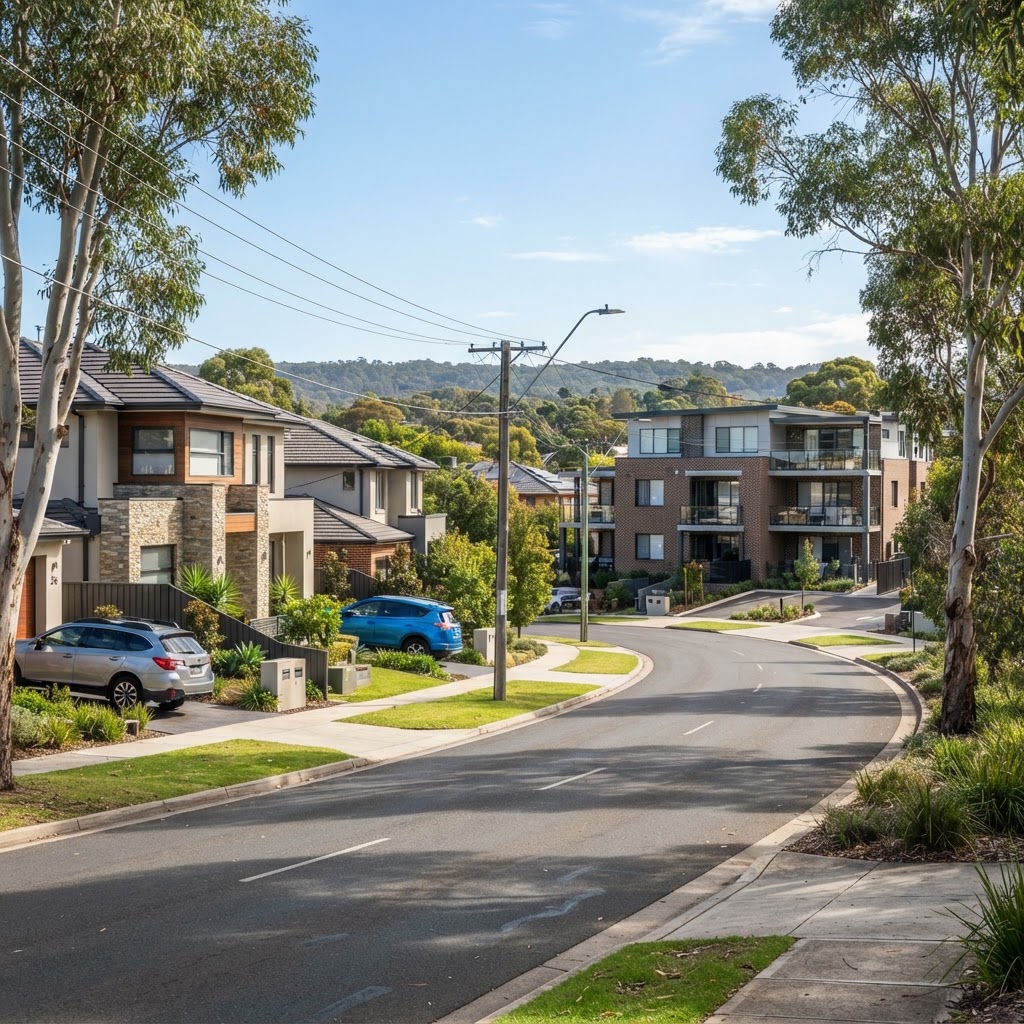
The maths is changing. Across a handful of Adelaide's outer and middle-ring suburbs, the monthly cost of servicing a mortgage on a median-priced home has crept below, or drawn level with, what renters are paying for the same type of dwelling. For anyone still on the fence about buying, the numbers are starting to make that decision for them.
Adelaide's status as Australia's most affordable capital city has held firm into mid-2026, with the South Australian median dwelling price sitting at approximately $720,000. But it is the rental market that is driving the calculation. Weekly asking rents on three-bedroom houses in many of the city's growth corridors have climbed steeply over the past two years, compressing the traditional gap between renting and owning to near zero in some postcodes, and flipping it entirely in others.
Elizabeth, in Adelaide's far north, is among the clearest examples. Median house prices in the suburb remain well below the city-wide figure, while rental demand from workers connected to the Lyell McEwin Hospital precinct and the northern industrial zone has pushed weekly rents on three-bedroom houses into territory that, at current variable mortgage rates, makes purchasing the more economical option for a buyer with a standard deposit. The same pattern is visible in Smithfield Plains and Davoren Park, where land releases under the state government's ongoing northern corridor development program have kept purchase prices relatively contained even as rents have firmed.
Further south, the suburb of Noarlunga Downs, sitting within the City of Onkaparinga and close to the Noarlunga Centre shopping and health hub, tells a similar story. Entry-level houses there have attracted strong interest from first-home buyers partly because the weekly cost of ownership, once stamp duty concessions available under the state's HomeSeeker SA program are factored in, undercuts typical local rents by a meaningful margin.
Prospect and Norwood, the inner-north and inner-east favourites that dominate weekend open-home queues, are a different story. Medians in those precincts sit well above the city average, and the rent-versus-buy equation still favours tenants, for now. The affordability window is firmly a suburban and outer-ring phenomenon.
Two forces are converging. The Reserve Bank of Australia's rate-cutting cycle, which began in early 2025, has brought variable mortgage rates down from their 2023 peaks, reducing monthly repayments on a $500,000 loan by several hundred dollars compared with 18 months ago. At the same time, Adelaide's rental vacancy rate has remained extremely tight, PropTrack data published earlier this year placed it among the lowest of any Australian capital, keeping upward pressure on asking rents even as buyer sentiment has softened slightly.
The generational dimension matters too. Research circulating in the property industry in mid-2026 consistently shows that younger Australians still regard home ownership as a priority, despite years of affordability pressure. In Adelaide, where the entry price point is lower than Sydney or Melbourne, that aspiration has a clearer path to reality, particularly for buyers willing to look north of the Gawler line or south past Morphett Vale.
The practical advice from mortgage brokers operating in the northern and southern corridors is consistent: buyers who qualify for the federal government's Home Guarantee Scheme, which allows eligible purchasers to enter the market with a deposit as low as five percent without paying lenders mortgage insurance, can shift from renting to owning with minimal upfront capital, particularly if they combine that scheme with South Australia's first-home buyer stamp duty concession. At current price points in suburbs like Elizabeth East or Christie Downs, monthly repayments on a 95 percent loan-to-value mortgage can land within $50 to $150 of the weekly rent on a comparable property, annualised.
The window is not permanent. If rate cuts stall or Adelaide's price growth accelerates through the second half of 2026, the equation will shift again. Buyers who have been watching from the sidelines in the city's affordable outer ring may find that the moment when owning costs less than renting is shorter than they expect.
This article is general information only and is not personal financial or investment advice. Consider your own circumstances and seek licensed professional advice before making financial decisions.
Property
Property

Property
Property
Property
Property
About this articleBeta
Published by The Daily Adelaide
Spread the word
Daily brief
Free, in your inbox before 7am. Weekdays.
The Daily Network — local news across Australia