Property
Ottoway's Quiet Streets Are About to Get Very Loud
A pending rezoning decision has put this unfashionable inner-north suburb on the radar of Adelaide investors who usually look elsewhere.
4 min read
Updated 1 h ago
Property
A pending rezoning decision has put this unfashionable inner-north suburb on the radar of Adelaide investors who usually look elsewhere.
4 min read
Updated 1 h ago
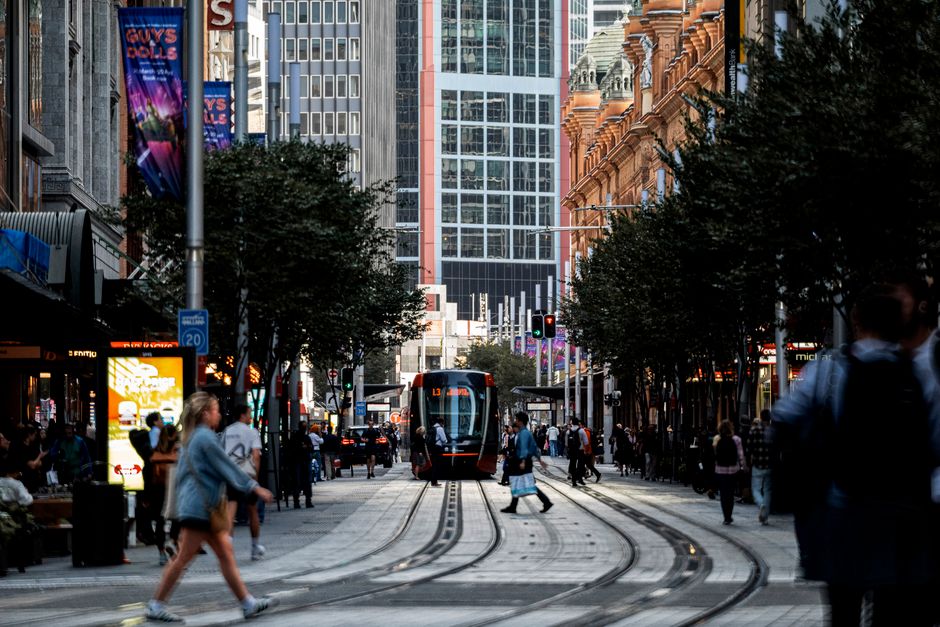
Ottoway doesn't get many column inches. The suburb sits roughly eight kilometres northwest of the CBD, hemmed in by Port Road to the south and the LeFevre Peninsula corridor to the west, and for decades it has traded on low land prices rather than lifestyle cachet. Median house prices there have sat well below Adelaide's city-wide figure of approximately $720,000, attracting tradies, retirees and the occasional landlord looking for yield over glamour. That calculus is starting to shift.
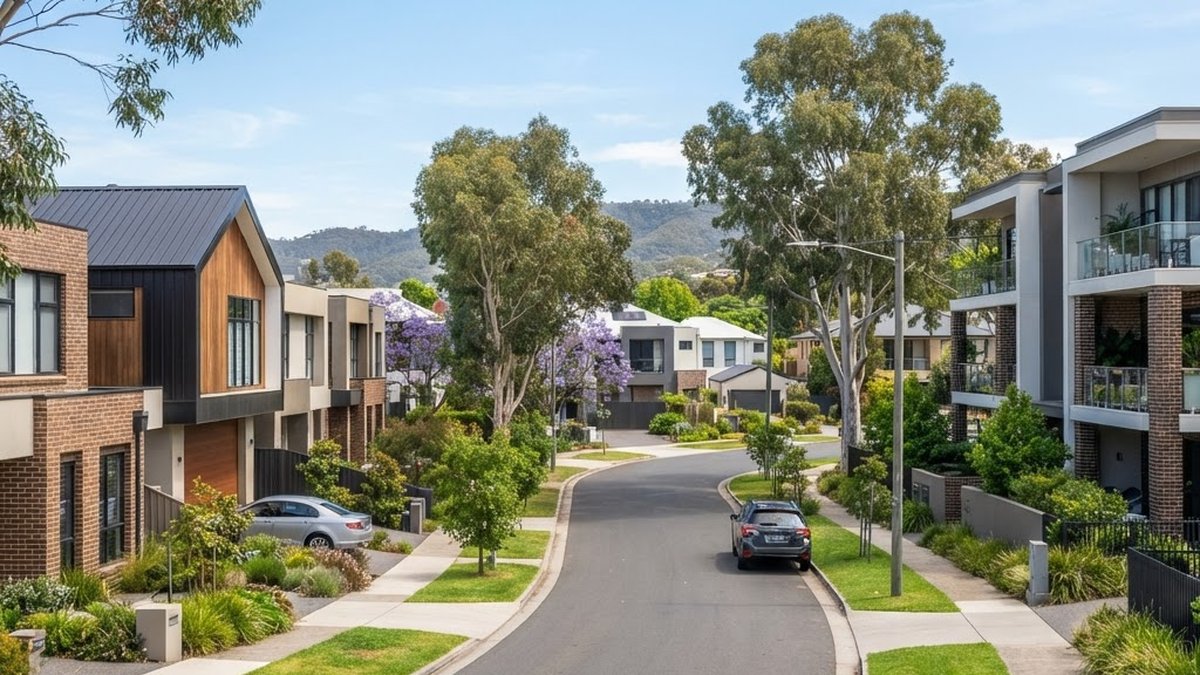
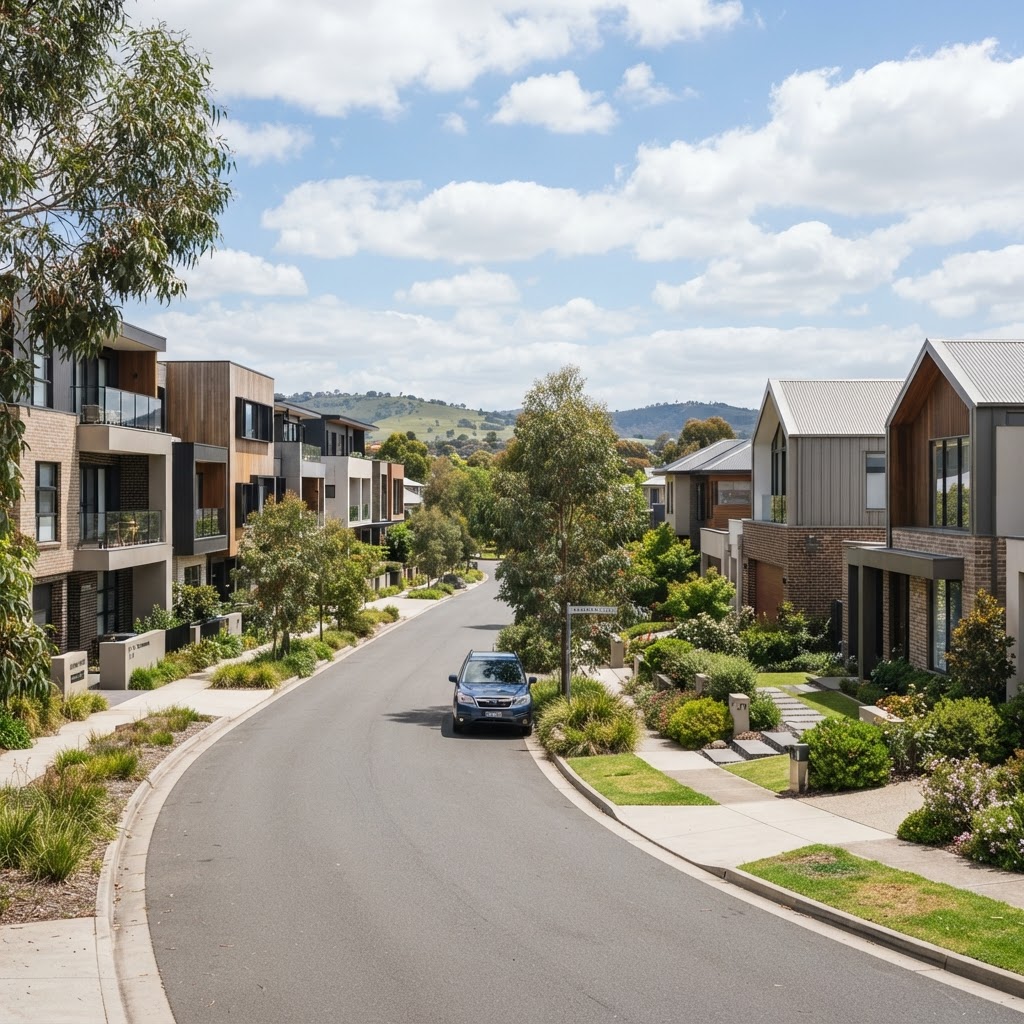
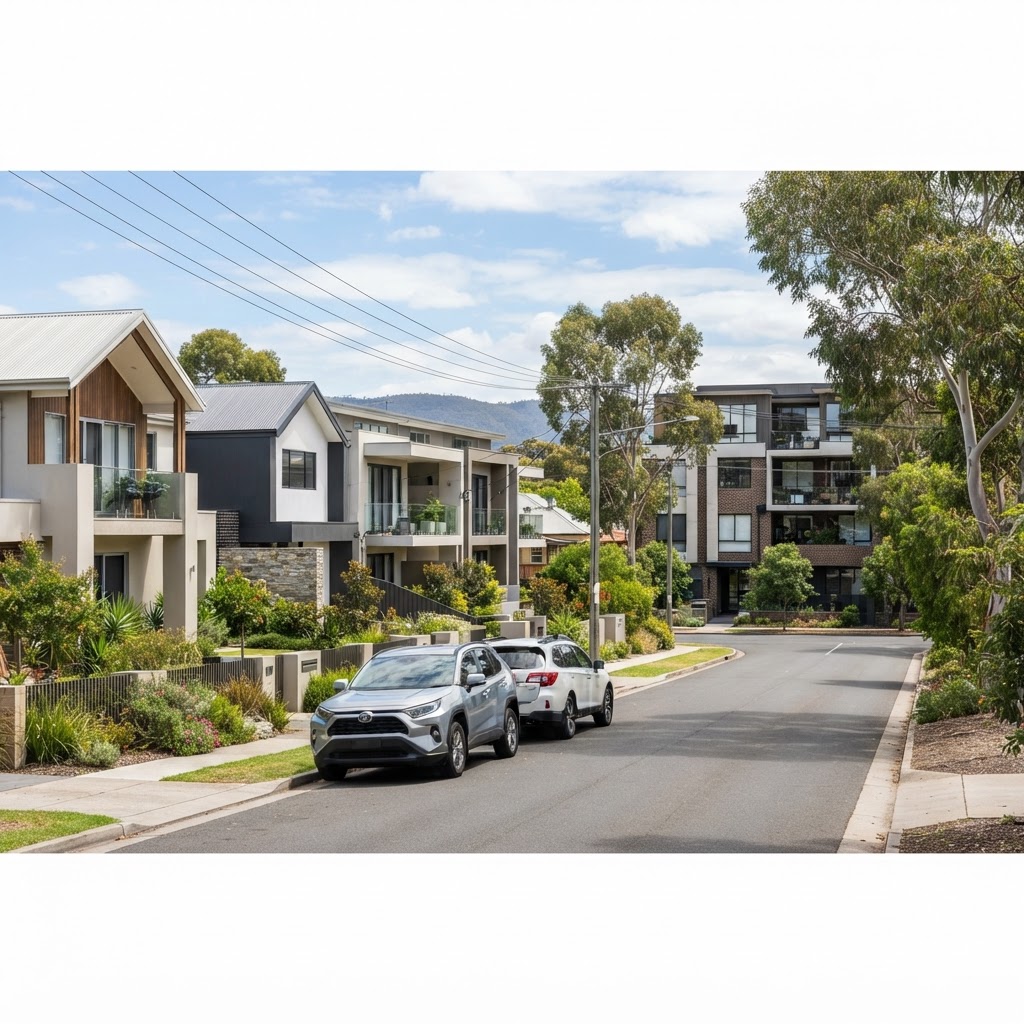
The trigger is a draft rezoning proposal currently moving through the State Planning Commission process that would reclassify several pockets of Ottoway, particularly along Jervois Street and portions bordering Pennington, from General Industry to a mixed-use residential classification. If confirmed, that change would allow medium-density housing, including two- and three-storey apartment buildings, on land that currently cannot support residential development at all. Planning watchers in Adelaide have seen this pattern before: Bowden was industrial wasteland before Urban Renewal Authority investment turned it into one of the inner north's most talked-about addresses.
The timing is not accidental. The state government's 30-Year Plan for Greater Adelaide, which targets significant population growth and housing diversification across the metropolitan area, places pressure on councils to find infill capacity close to existing transport routes. Ottoway is directly served by the Port Dock and Outer Harbor rail lines, both running through the adjacent suburb of Pennington, and the 90X bus corridor on Port Road connects residents to the city in under 25 minutes during off-peak hours. Those links matter enormously to planners trying to reduce car dependence without building entirely new infrastructure.
The City of Charles Sturt, which administers Ottoway, has flagged housing diversity as a council priority in its current four-year plan. Discussions at recent Development Assessment Panel meetings have referenced the suburb's underutilised land parcels, some of them former light-manufacturing sites that have sat dormant since the closure of several businesses along Coglin Street in the early 2010s. Those brownfield sites are exactly what state and local planners say they need to meet Adelaide's housing targets without sprawling further into the Barossa and McLaren Vale fringes.
Adelaide's overall median dwelling price has held around $720,000 through mid-2026, according to figures tracked by CoreLogic and the Real Estate Institute of South Australia. Ottoway has consistently traded at a significant discount to that benchmark, with typical three-bedroom houses in the suburb changing hands in the $550,000 to $620,000 range through the first half of this year, meaning buyers are still getting into the inner-north corridor at a meaningful markdown. That gap tends to compress quickly once rezoning is formalised and developers start acquiring sites.
The Bowden precedent is instructive. Land values in that suburb moved sharply after the Urban Renewal Authority announced its masterplan, with some comparable inner-west suburbs recording 30 to 40 per cent price growth over the five years following the first major rezoning gazette. Ottoway's situation is less orchestrated, there is no single government anchor project here, but the structural ingredients are similar: proximity to the CBD, existing rail access, and a critical mass of large, flat, single-owner industrial lots that are straightforward to consolidate.
For buyers considering a move now, a few practical points are worth keeping in mind. The rezoning is still draft, meaning it can be challenged, amended or delayed during the formal consultation period. Submissions to the State Planning Commission close in coming months, and any objections from existing industrial operators on Coglin and Jervois Streets could push the timeline out by 12 months or more. That said, investors with a three-to-five-year horizon who can tolerate some regulatory uncertainty are looking at a suburb that offers inner-north access at outer-suburban prices, a combination that rarely persists once the planning gazette lands. Walking Jervois Street today, past the corrugated iron fences and the occasional light engineering workshop, it is genuinely difficult to picture apartment buildings and café strips. That is precisely the point. Neighbourhoods that are easy to picture transformed are usually already priced that way.
This article is general information only and is not personal financial or investment advice. Consider your own circumstances and seek licensed professional advice before making financial decisions.
Property
Property

Property
Property
Property
Property
About this articleBeta
Published by The Daily Adelaide
Spread the word
Daily brief
Free, in your inbox before 7am. Weekdays.
The Daily Network — local news across Australia