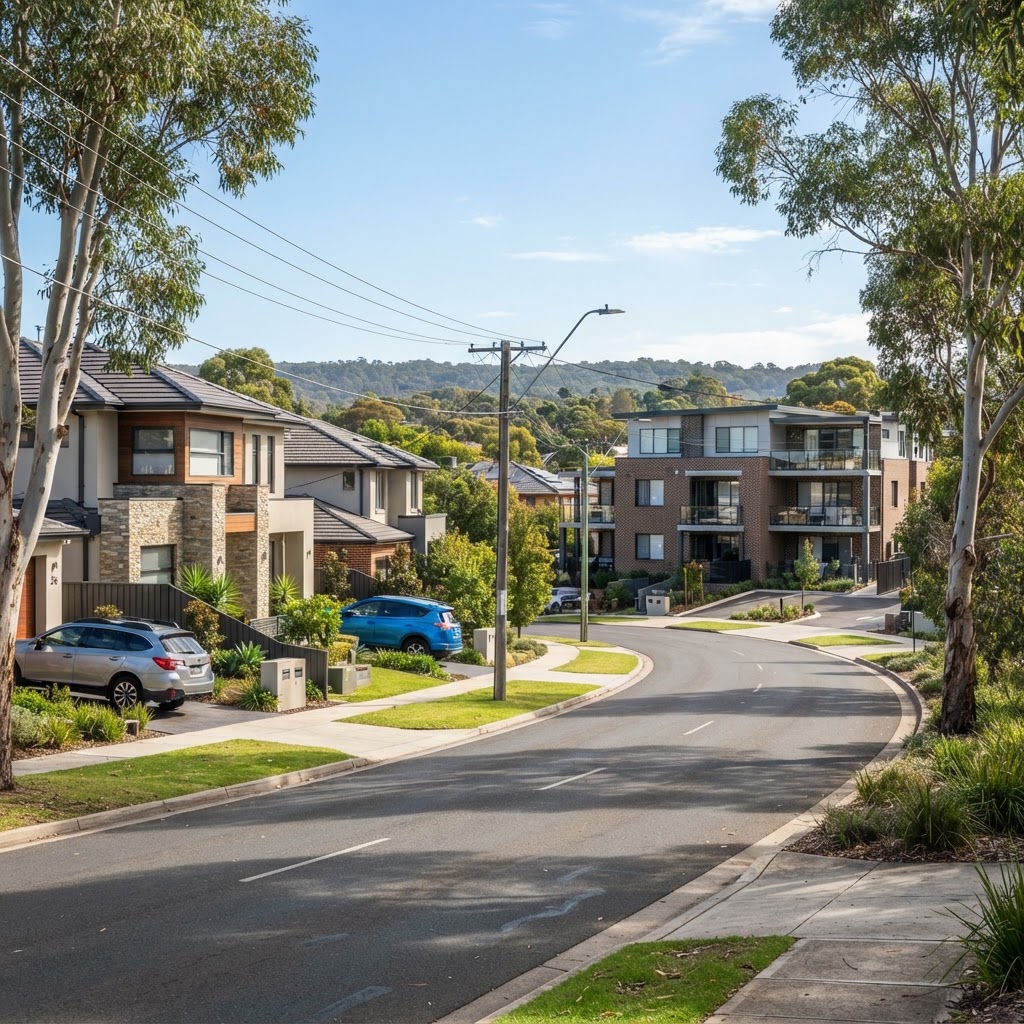
First-home buyers in Adelaide face a complex market shaped by multiple factors pushing prices upward in 2026. Rising construction costs combined with sustained demand in popular corridors are driving the median house price to around $720,000, the highest in five years according to the Real Estate Institute of South Australia (REISA).
This matters now because Adelaide remains one of Australia’s more affordable capitals, yet entry barriers are increasing just as many young buyers seek to get on the property ladder. Government programs aimed at easing this process, such as the First Home Owner Grant (FHOG) and the HomeBuilder scheme, continue to evolve in response to shifting market conditions.
Local Market Pressures and Demand Hotspots
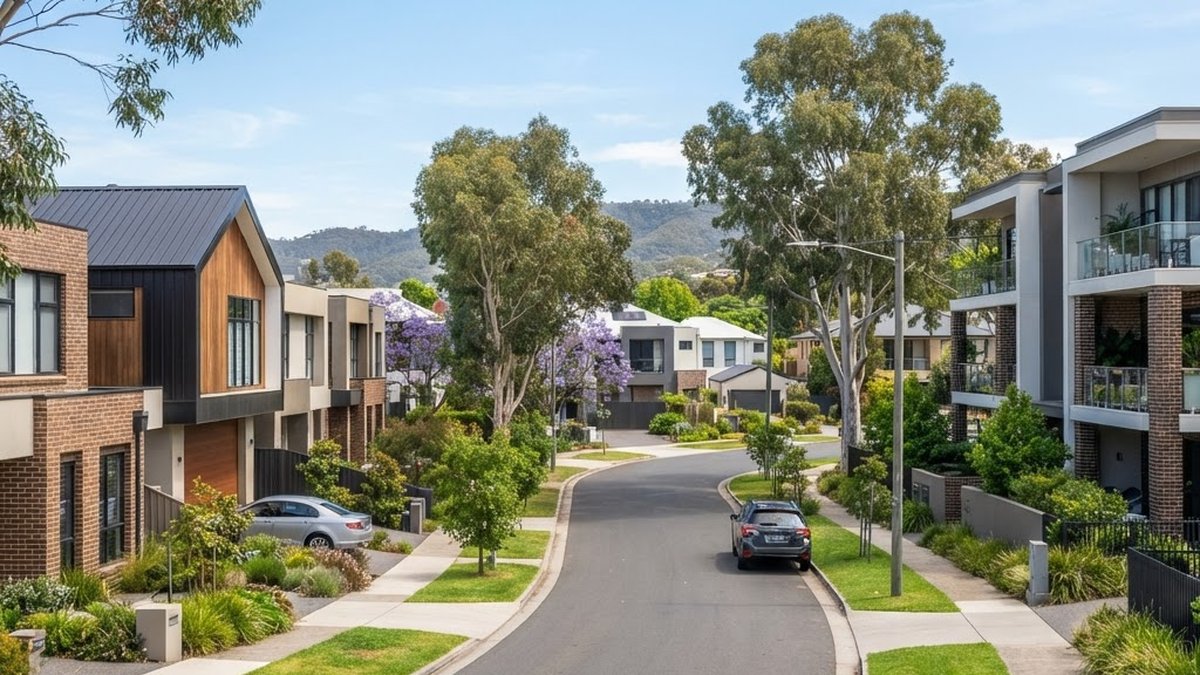
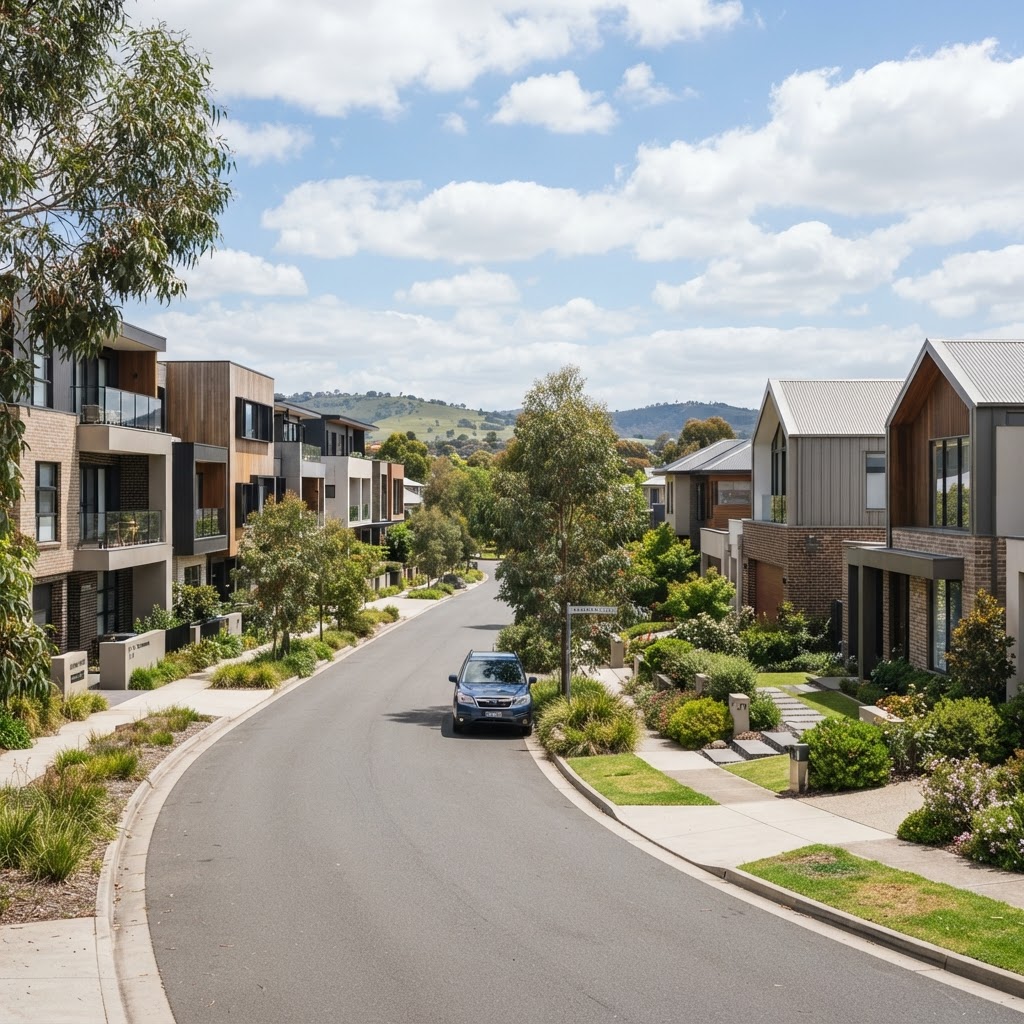
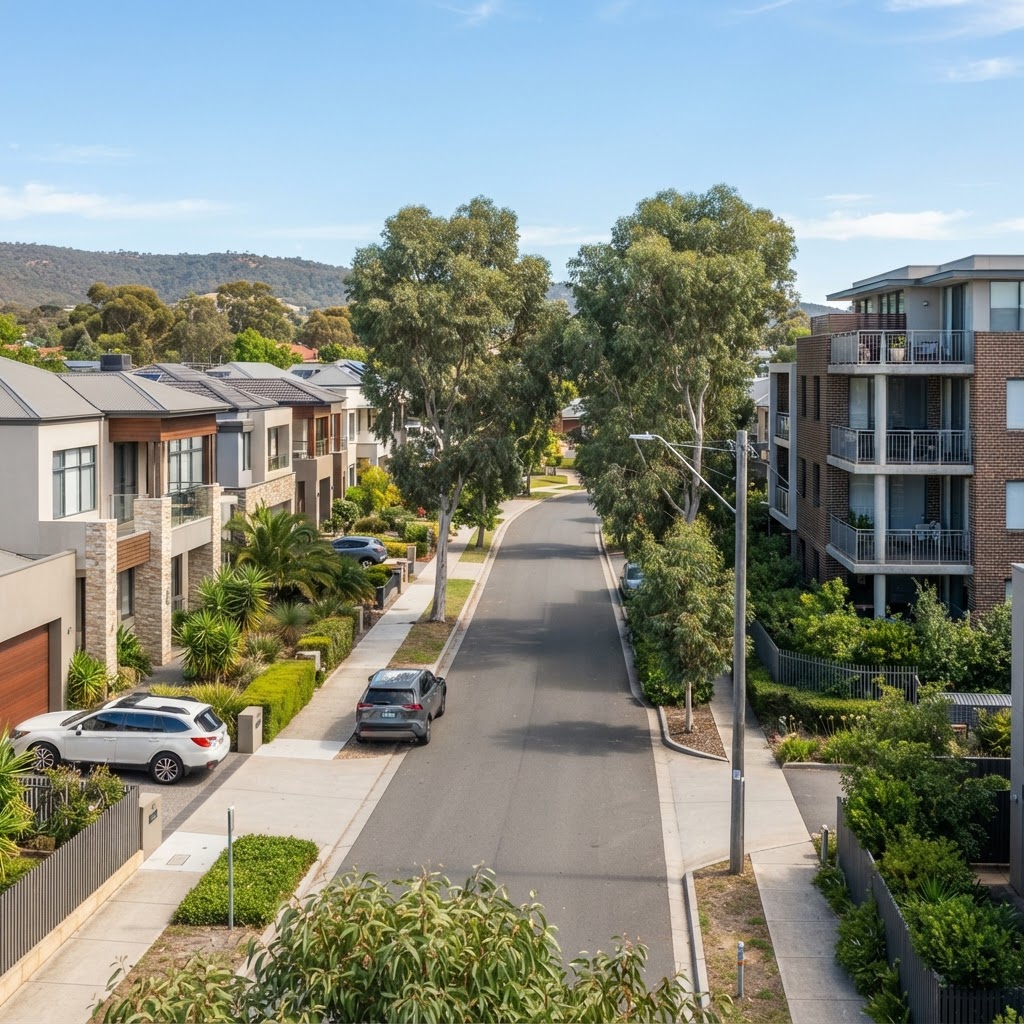
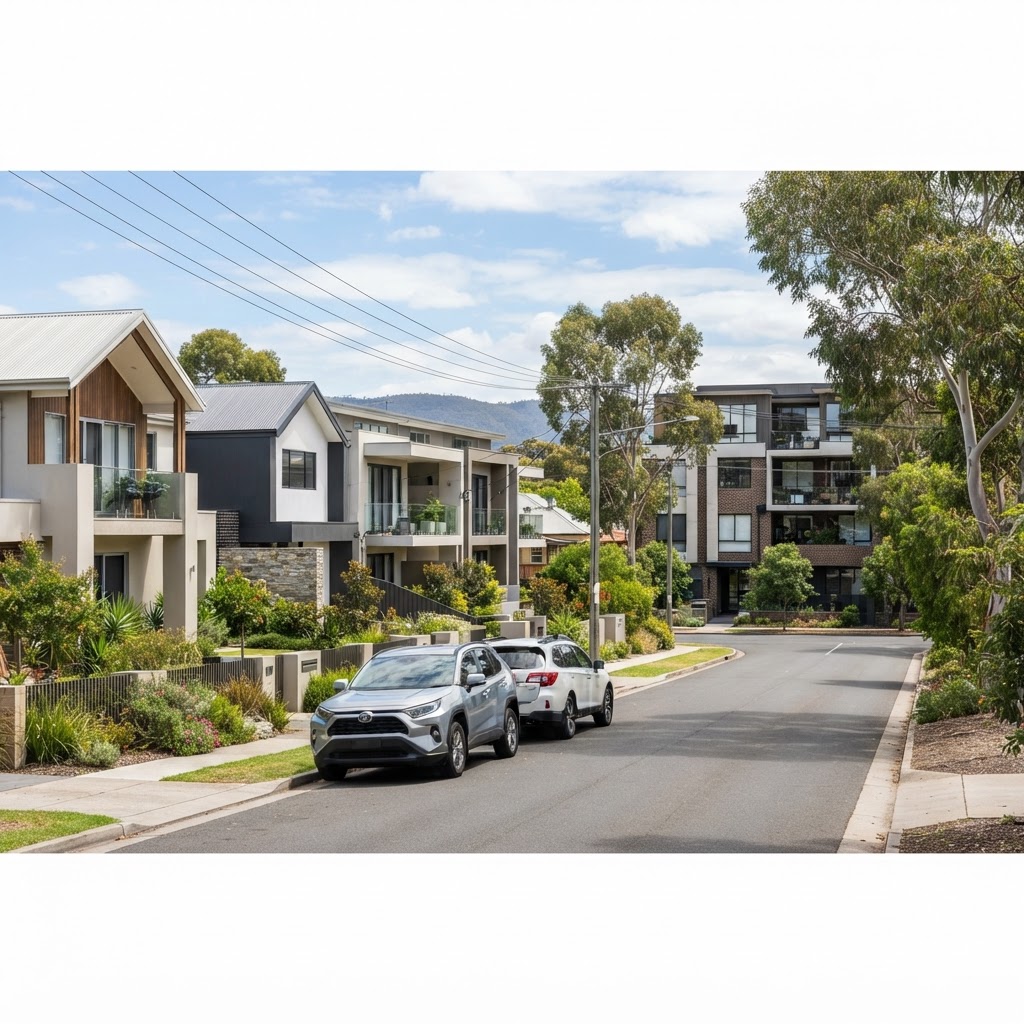
North and Northeast Adelaide suburbs, notably Prospect and Norwood, are drawing the most attention from first-home buyers. Prospect, with its blend of period homes and new developments near bustling dining strips, offers buyers a balance of lifestyle and accessibility. Norwood’s proximity to the city and established amenities also make it a preferred suburb despite steadily rising prices.
The South Australian government’s renewed commitment to the FHOG, which offers a $15,000 grant for new builds or substantially renovated homes, plays a role in these localized surges. In addition, the City of Adelaide’s affordable housing initiatives and partnerships with community housing providers aim to increase supply, though these have yet to significantly temper price growth.
Data Confirming Rising Costs and Affordability Challenges
REISA data from June 2026 indicates the median house price in Adelaide’s north corridor suburbs has increased 5.8% year-on-year. Detached homes in Prospect now average around $820,000, while Norwood’s median price has reached $900,000, reflecting a premium for inner-city convenience.
Separately, the Australian Bureau of Statistics reported a 9% rise in building material costs nationally over the past year, contributing to higher new home prices. Combined with increased labour costs, these factors have slowed the pace of new housing supply. Consequently, resale properties dominate the market, adding pressure to prices in established suburbs.
Additionally, data from the South Australian Housing Authority shows that demand for the FHOG increased by 12% in the six months to June, signaling that first-home buyer interest remains strong despite affordability concerns.
What First-Home Buyers Should Consider Next
Prospective buyers need to act strategically. Understanding eligibility and applying early for state and federal grants can shave thousands off initial costs. Consulting with local lenders familiar with South Australian schemes is crucial as lending criteria tighten nationwide.
Exploring emerging suburbs beyond traditional hotspots may yield more affordable options and potential growth; for example, areas in the northeastern corridor like Ingle Farm or Modbury have shown slower price growth and increased development activity.
Finally, staying informed about changes to auction rules, stamp duty adjustments, and government housing policies can help buyers make sound decisions in a shifting market.
First-home buyers in Adelaide stand at a crossroads: affordability remains a challenge but supported by government grants and targeted suburb selections, entering the market is still achievable for those prepared to navigate current price drivers.
This article is general information only and is not personal financial or investment advice. Consider your own circumstances and seek licensed professional advice before making financial decisions.