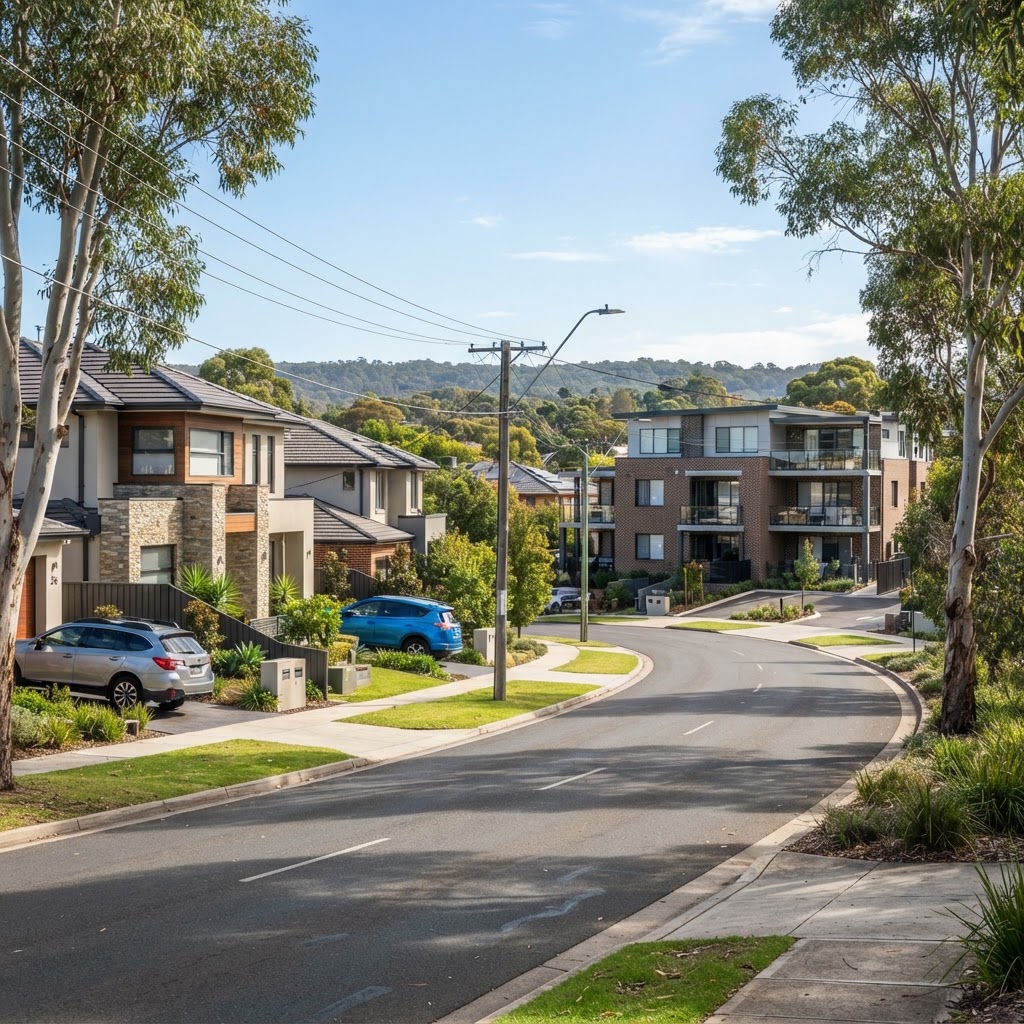
Adelaide remains Australia's most affordable capital city market, with a median house price of roughly $720,000, and that affordability is drawing a particular kind of buyer: the yield-chasing investor.
For the first time in years, the gap between gross rental yields in the city's inner suburbs and its middle-ring corridors has widened noticeably. The numbers show that suburbs in the north and north-east corridors, think areas around Salisbury, Elizabeth and Modbury, are delivering gross rental yields above 4.5 per cent, while premium suburbs like Prospect and Norwood sit closer to 3 per cent.
What the yield gap means
Gross rental yield, annual rent divided by purchase price, is a blunt measure, but it's the one most used by mum-and-dad investors. And right now, the yield gap between Adelaide's top and bottom suburbs is running at about 1.5 percentage points, according to local agents who compile regular suburb-level data.
That spread matters more when interest rates are elevated. An investor buying a $500,000 property in a north-eastern suburb at a 4.7 per cent yield generates roughly $23,500 in annual rent. The same dollar amount spent in an inner-south suburb at a 3.2 per cent yield produces barely $16,000.
The Real Estate Institute of South Australia has noted in its recent market updates that first-home buyer activity remains elevated in the north and north-east corridors, which helps underpin rental demand. Those buyers eventually become renters again if they trade up, keeping vacancy rates tight in the sub-1 per cent range across much of the city.
But yield is only half the story.
The capital growth trade-off
Investors chasing yield typically sacrifice some capital growth. The inner suburbs, Unley, Parkside, Norwood, have seen double-digit annual price growth over the past five years. The north and north-east corridors have grown too, but at a slower clip.
The question for Adelaide investors in mid-2026 is whether that trade-off still works. With the Reserve Bank holding the cash rate at 4.35 per cent and rental vacancy rates still tight across most of the metropolitan area, CoreLogic data shows Adelaide's overall vacancy rate at 0.7 per cent, the income component of total return is delivering more of the heavy lifting than it did during the low-rate years.
Agents say the sweet spot appears to be suburbs within 10 to 15 kilometres of the city centre where median prices are still under $600,000 and recent sales data shows days on market have stabilised at around 30 to 40 days, a sign of balanced demand.
That suggests suburbs like Para Hills, Kilburn and Blair Athol are being closely watched by investors who want to avoid the high entry prices of the inner ring while still staying within the established rental catchment.
For anyone looking at the numbers right now, the message is that Adelaide is offering a genuine yield premium for those willing to look beyond the postcode snobbery. Whether that premium persists depends on how quickly the next wave of new supply arrives, and on whether the RBA starts cutting rates later this year.
This article is general information only and is not personal financial or investment advice. Consider your own circumstances and seek licensed professional advice before making financial decisions.