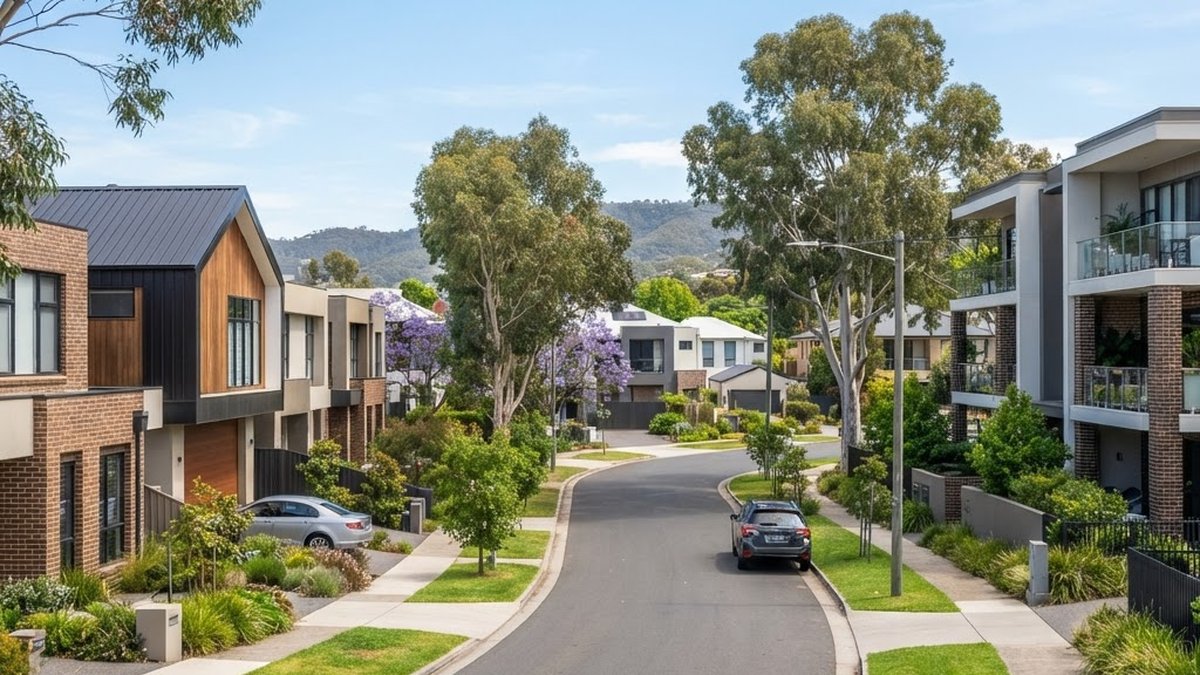
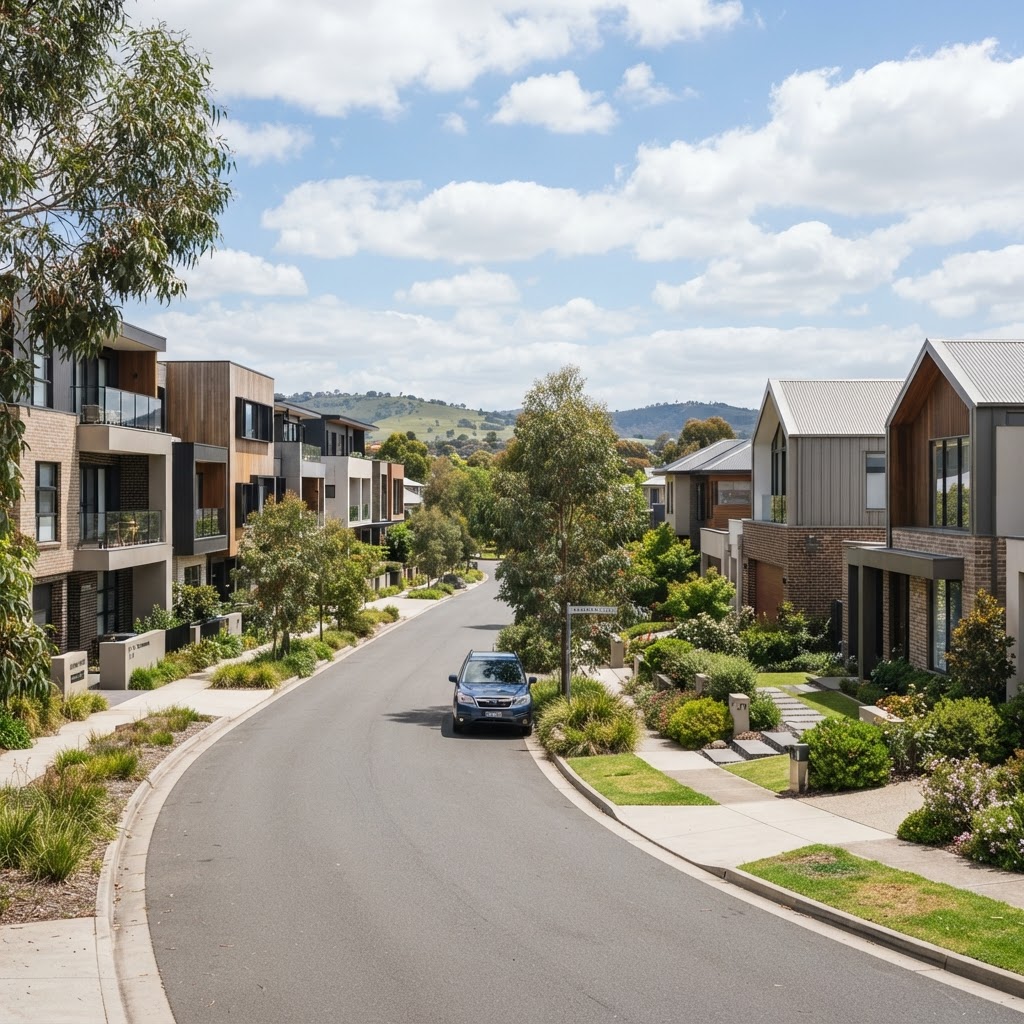
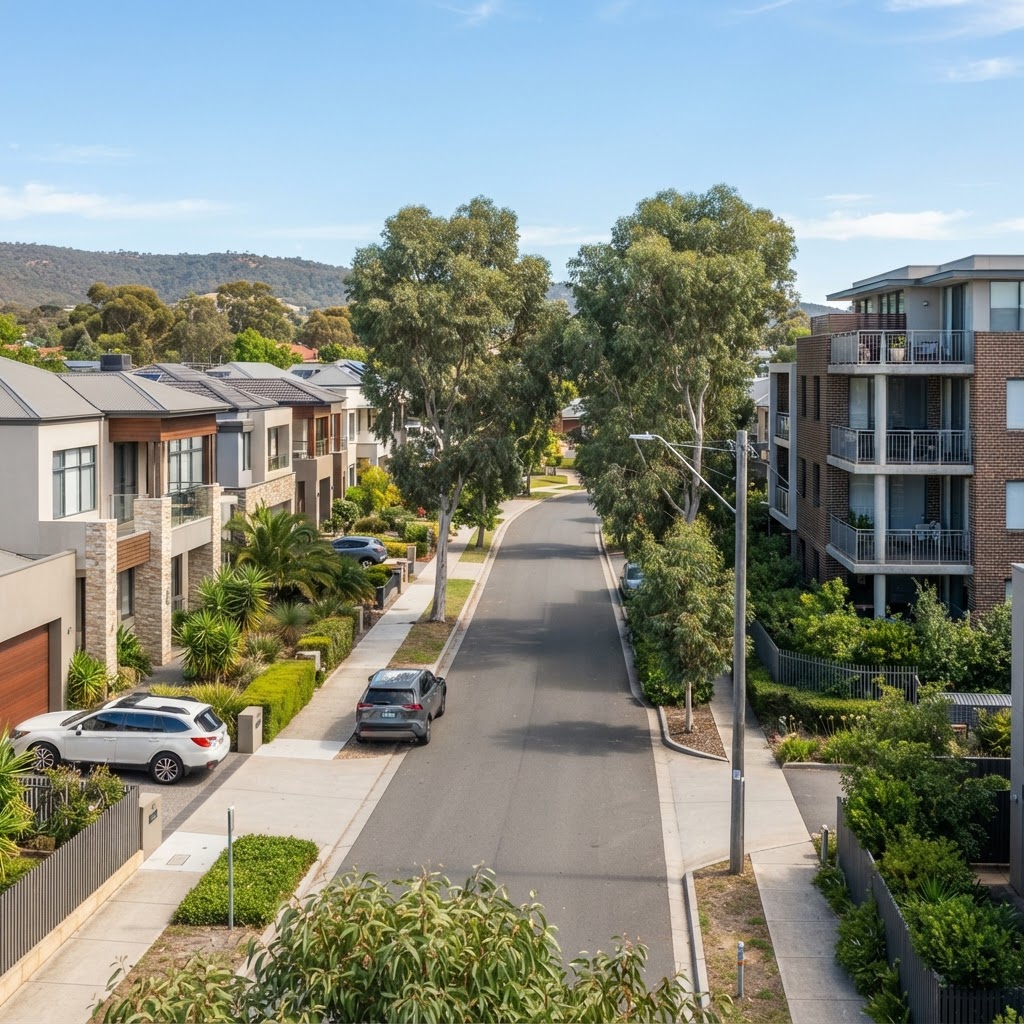
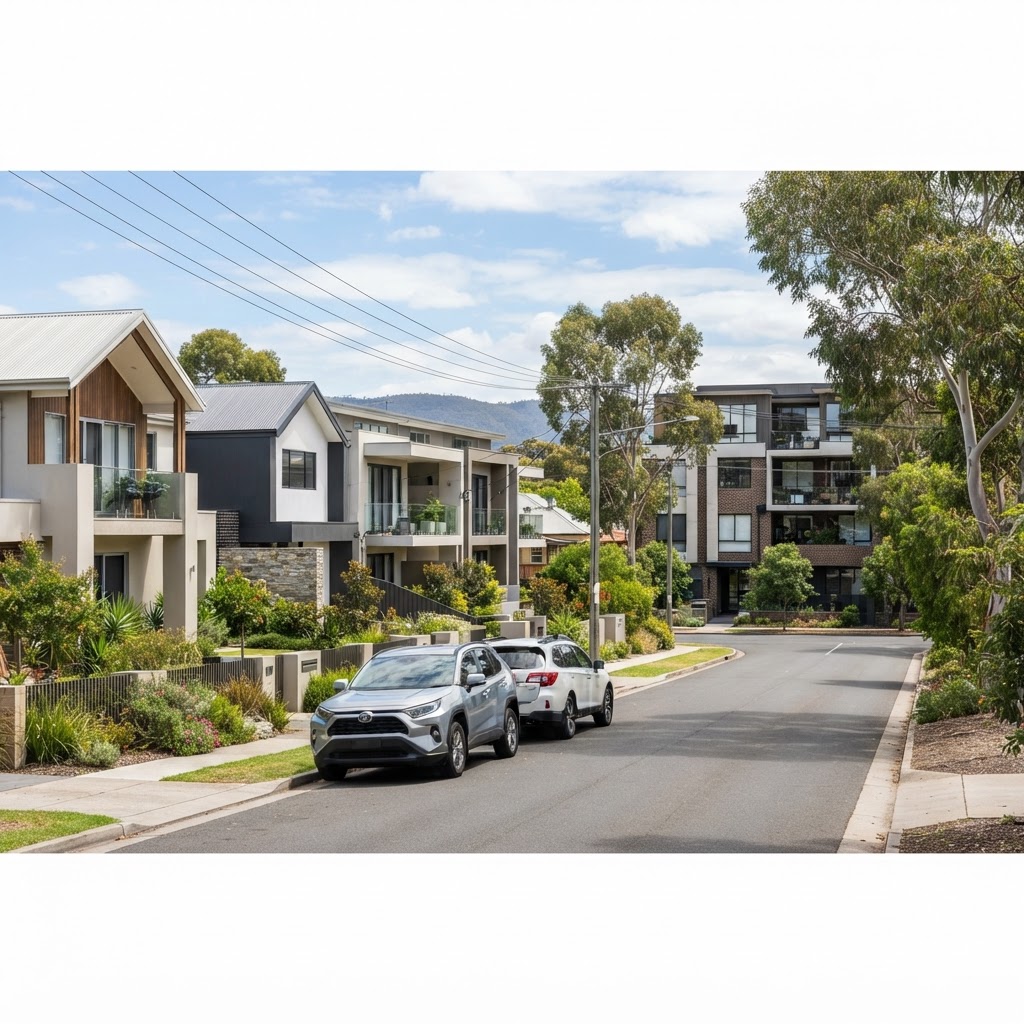
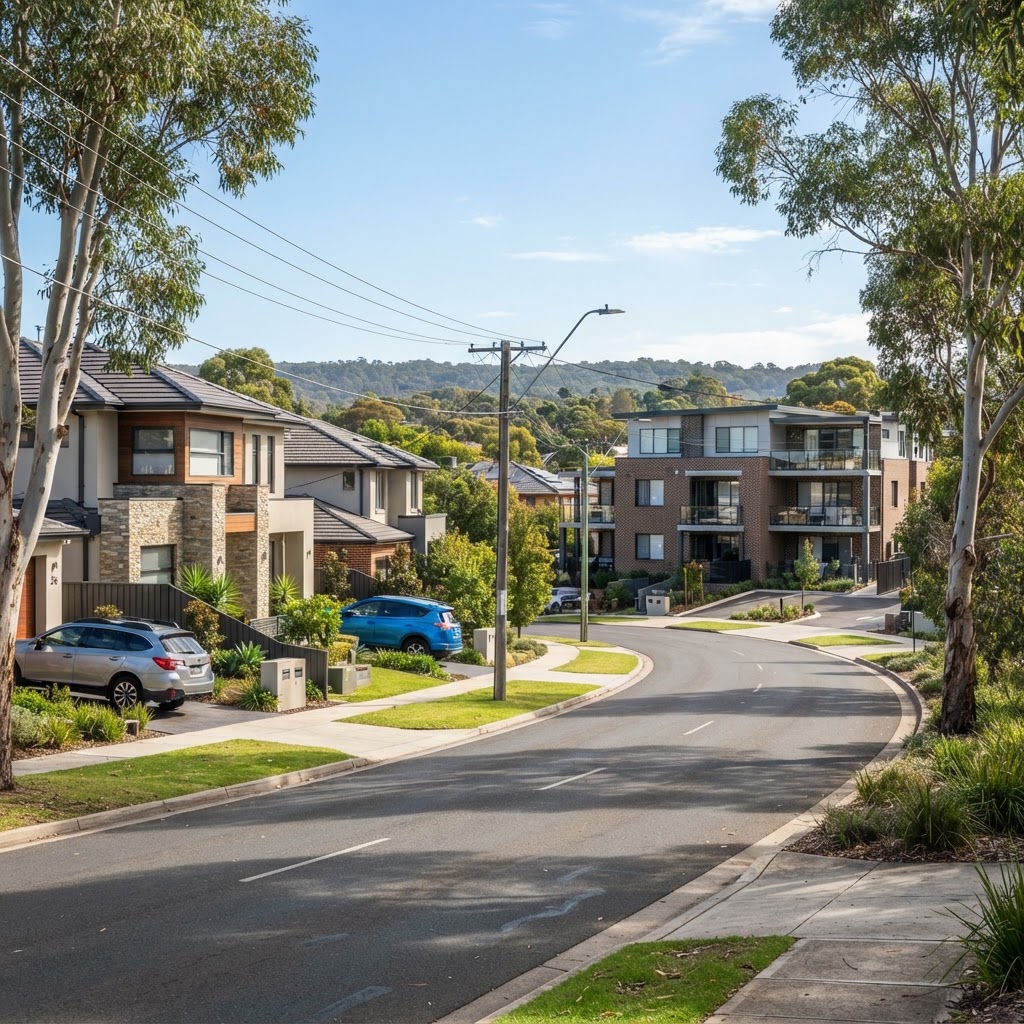
New housing developments in Adelaide’s inner northern suburbs and outer northeast are pushing up property prices, leaving potential buyers to navigate a shifting market landscape. Projects such as the Prospect Central Renewal and the Mawson Lakes Lakeside Living precinct are delivering hundreds of new dwellings designed to meet demand, but this boost in supply has also been met with increasing construction and land costs.
These developments matter now because Adelaide, known for its relative affordability compared to other Australian capitals, is experiencing a shift as locations with good infrastructure and lifestyle appeal become highly sought after. The median house price for the metro area is around $720,000, but pockets like Prospect and Mawson Lakes are seeing prices edge higher, reflecting the impact of fresh supply alongside broader economic pressures.
Key Developments Shaping the Market
The Prospect Central Renewal Project on Prospect Road aims to transform the existing commercial strip with mixed-use developments featuring apartments above retail and community spaces. This initiative, backed by the City of Prospect council, is expected to add approximately 300 new residences by late 2027, reshaping the suburb’s urban feel and accessibility.
Likewise, Mawson Lakes is expanding its Lakeside Living precinct, a masterplanned community developed by Delfin, with around 400 new homes slated for completion by 2028. The area benefits from proximity to the University of South Australia and the Mawson Connector, a light rail route improving east-west travel.
Data Behind the Price Movements
According to recent figures from the Real Estate Institute of South Australia (REISA), the median house price in Prospect increased by 7.3% over the past year, reaching approximately $850,000 as of June 2026. Similarly, Mawson Lakes recorded a 6.1% jump to a median of $690,000 in the same period. These rises are attributed partly to high demand from first-home buyers attracted by schemes such as the South Australian First Home Buyer Grant, combined with developer optimism amidst supply chain improvements.
However, industry reports highlight that escalating building material costs remain a concern. Master Builders South Australia has noted inflationary pressures in raw materials averaging 4-6% annually, which directly influences new dwelling prices.
What Buyers Should Watch For
Prospective buyers should evaluate not only the asking price but also infrastructure projects such as transport upgrades and amenities being delivered as part of these developments. The South Australian Government’s 2030 Infrastructure Plan includes enhancements to public transport serving these corridors, potentially lifting property values further.
Additionally, navigating financing in the current rising interest rate environment requires attention. Homebuyers should liaise with local mortgage brokers or financial advisors to understand how construction timelines and potential delays might affect loan arrangements.
In summary, Adelaide’s northern and northeastern corridors are at the forefront of growth, driven by targeted development programs and ongoing demand from owner-occupiers. Staying informed on supply pipeline details and local government initiatives will help buyers make sound decisions amid evolving market conditions.
This article is general information only and is not personal financial or investment advice. Consider your own circumstances and seek licensed professional advice before making financial decisions.
About this article●Beta
Published by The Daily Adelaide
Covering property in Adelaide. This article was generated by AI, under human editorial accountability and risk-based review and our reasonable editorial care. Sensitive material is held for human review before publication. See our reasonable editorial care.
Beta: AI-assisted and human-overseen. Details may be imperfect, so please verify anything important.