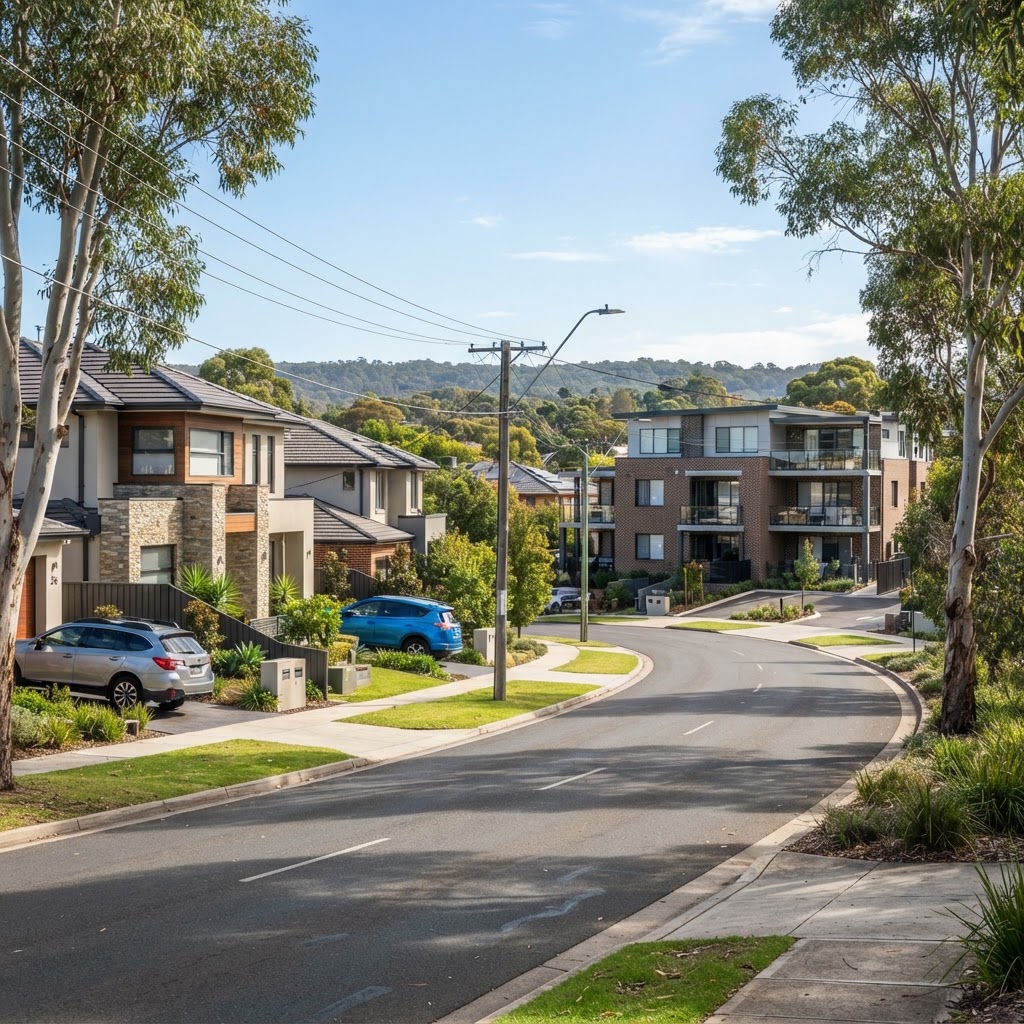
First home buyers in Adelaide are navigating a shifting landscape as recent policy reforms and planning decisions alter market conditions across the city. Changes introduced this year by the South Australian government and local councils are designed to increase housing supply but also impact affordability and location choices for new buyers.
Why These Changes Matter Now
The South Australian Planning Reform Bill passed in late 2025 is central to this shift. It streamlines development approvals, promotes higher density housing options, and adjusts zoning rules in growth corridors. The intent is to unlock more land for homes, especially in suburbs where demand has surged.
Local Impacts Seen in Key Suburbs and Programs
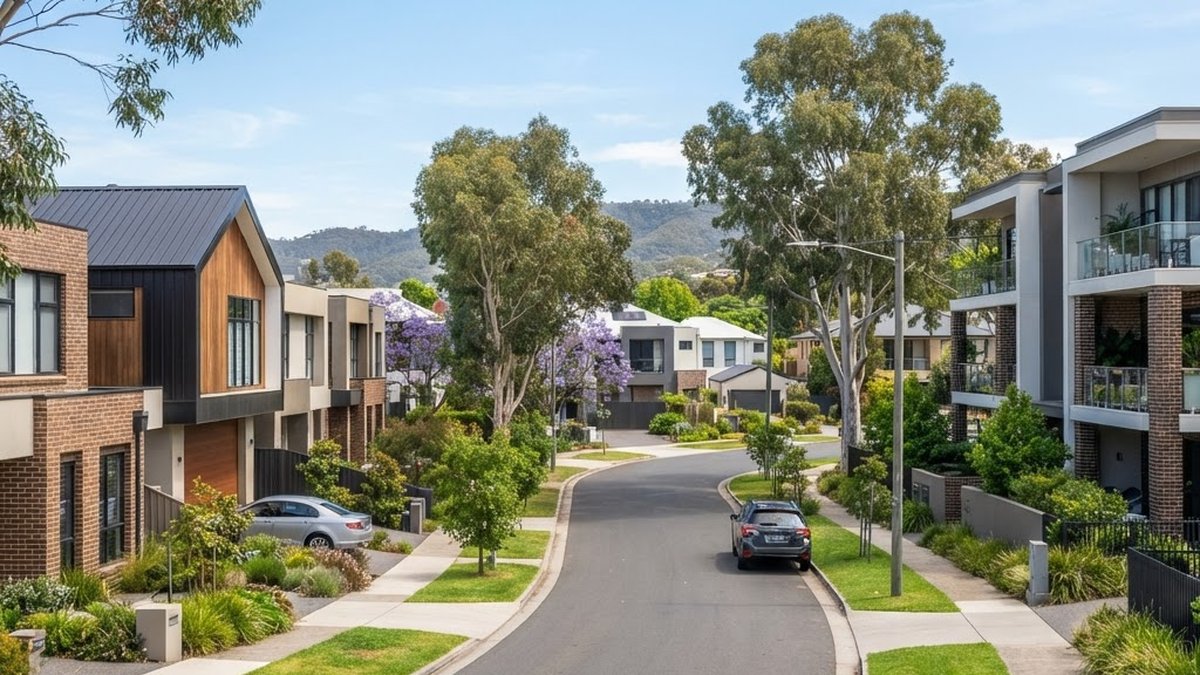
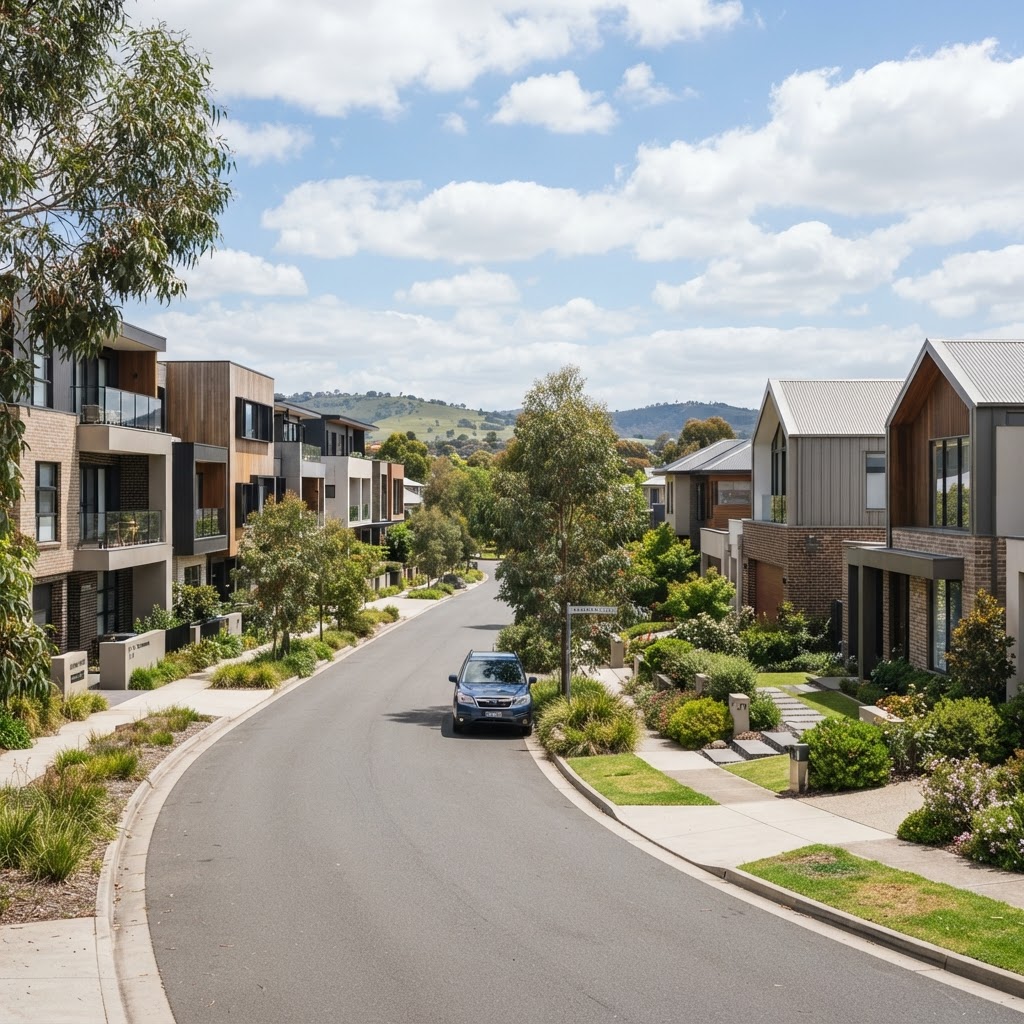
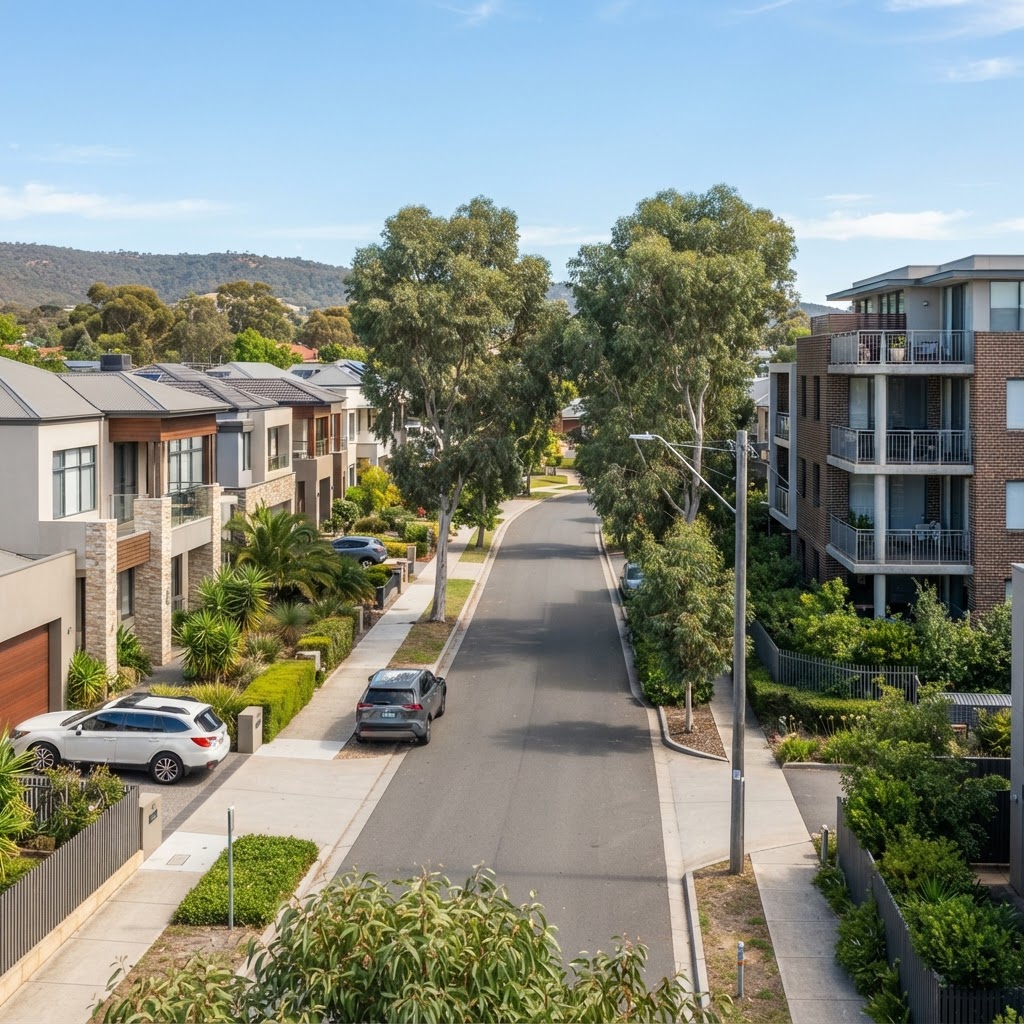
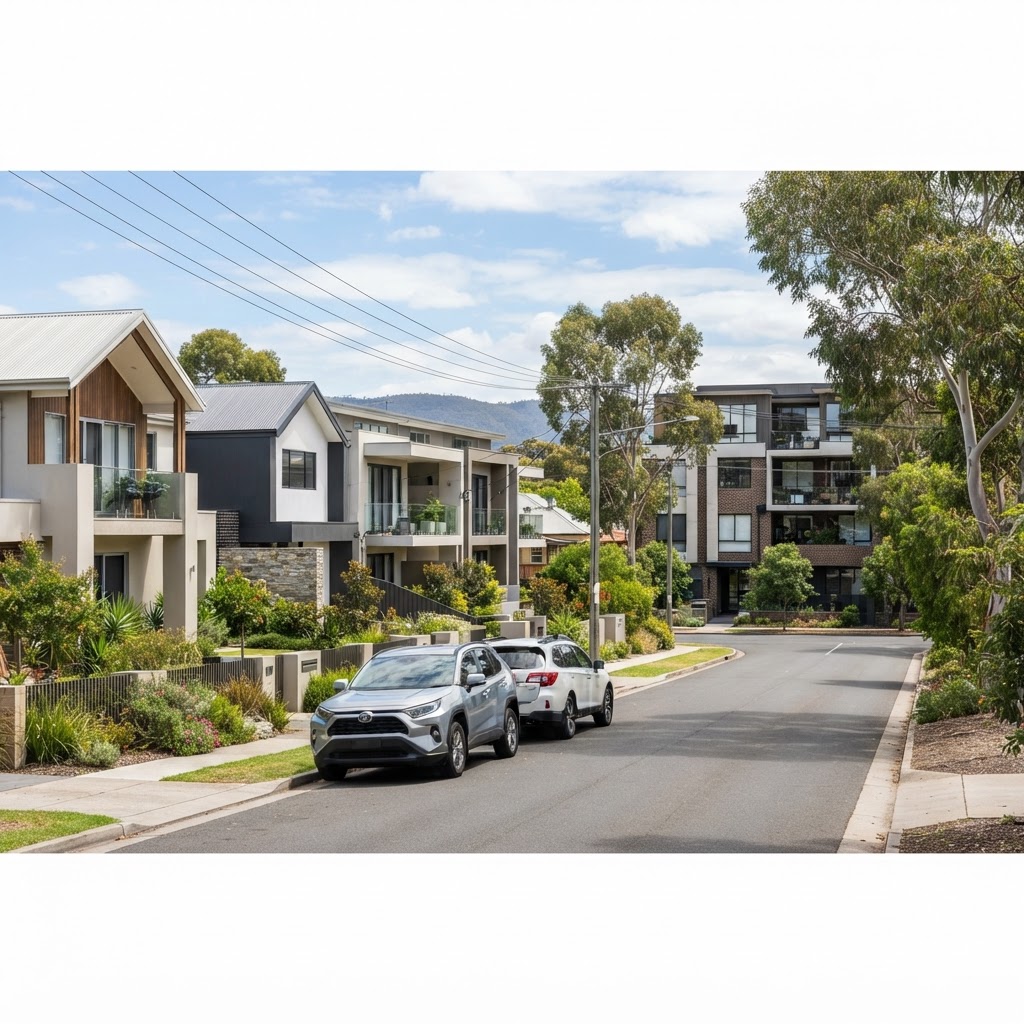
The City of Prospect, a northern inner suburb, has seen changes in its Development Plan that now encourage infill housing with reduced setbacks, allowing duplexes and townhouses on traditional single-home lots. This offers more variety for first home buyers but also shifts the neighbourhood feel.
Similarly, in Norwood Payneham & St Peters, new zoning provisions permit medium-density housing near transport hubs like the Norwood Parade precinct. The local council is collaborating with the Housing SA First Home Owner Grant program to direct incentives toward these redevelopment sites.
The state’s Affordable Housing Fund has allocated $25 million this financial year to support developments providing upwards of 150 new affordable homes targeted at first home buyers, including land in the northern suburbs like Elizabeth and Salisbury. These projects benefit from planning incentives aimed at reducing bureaucratic red tape.
Data Underscores a Mixed Market Outlook
REISA figures show that while median prices in Adelaide rose 5.4% year-on-year to June, suburbs with enhanced planning flexibility such as Mawson Lakes and Modbury saw price growth slow or stabilise. This suggests new supply in these growth zones could ease upward pressure on prices.
However, the HIA’s recent South Australian Housing Forecast highlights an ongoing shortage of entry-level homes within 10km of the CBD, where variables like zoning restrictions still limit supply despite state initiatives. First home buyers looking in premium inner and middle ring suburbs continue to face stiff competition with average dwelling prices above $850,000.
The state government's HomeBuilder grants remain available for eligible buyers, but new applicants must now align purchases with areas targeted under the revised South Australian Housing Strategy to qualify.
For instance, the $15,000 grant applies only to newly built homes in designated growth zones or significant urban redevelopment precincts like Bowden and Tonsley, altering where many first-time buyers consider searching.
What First Home Buyers Need to Keep in Mind
As Adelaide’s housing landscape adapts to the new policies, prospective first home buyers should focus on emerging growth suburbs benefiting from infrastructure investments and streamlined planning approvals. Areas along the northern corridor, near transport nodes, are prime candidates.
Engaging with local councils such as Prospect or Norwood and familiarising oneself with the eligibility criteria of state grants remain crucial steps. Buyers should also factor in longer-term considerations around community services and access to jobs, which new developments aim to provide alongside housing density increases.
Given the dynamic environment, consulting lenders with experience in first home buyer financing and attending workshops provided by organisations like the South Australian First Home Owner Support Centre can offer practical guidance.
In summary, while policy and planning reforms herald more opportunities for Adelaide’s first home buyers, navigating eligibility requirements and prioritising locations with the best growth potential will be essential to finding the right deal in 2026 and beyond.
This article is general information only and is not personal financial or investment advice. Consider your own circumstances and seek licensed professional advice before making financial decisions.