Property
How New Planning Policies Are Shaping Adelaide’s Housing Market
Recent changes to zoning and development controls are beginning to influence property values and buyer interest in key Adelaide suburbs.
4 min read
Property
Recent changes to zoning and development controls are beginning to influence property values and buyer interest in key Adelaide suburbs.
4 min read

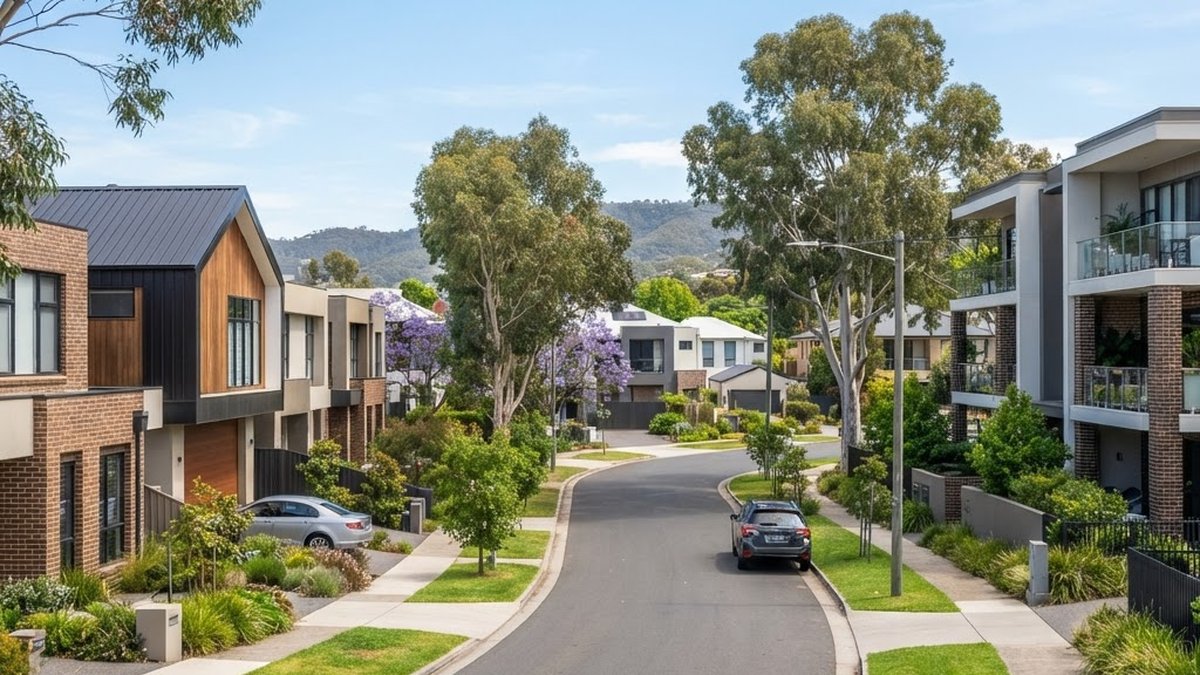
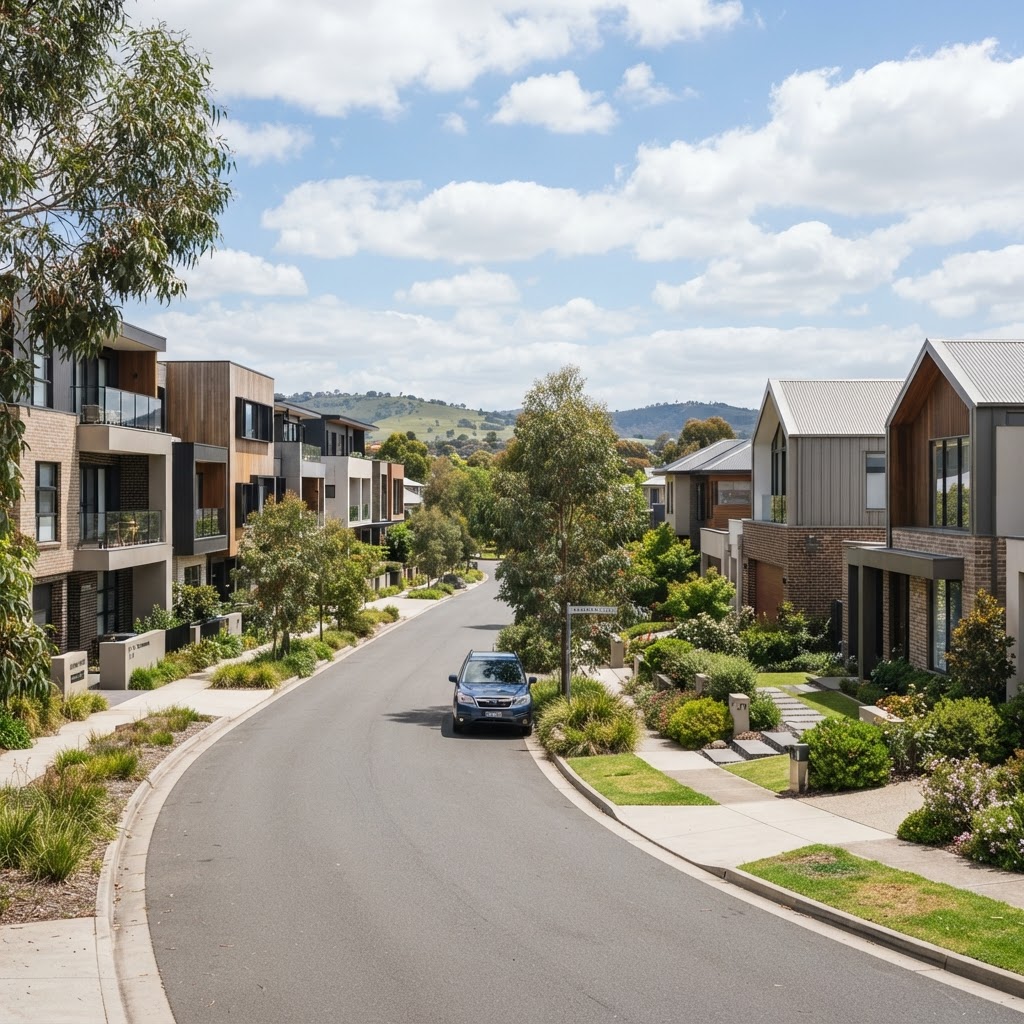
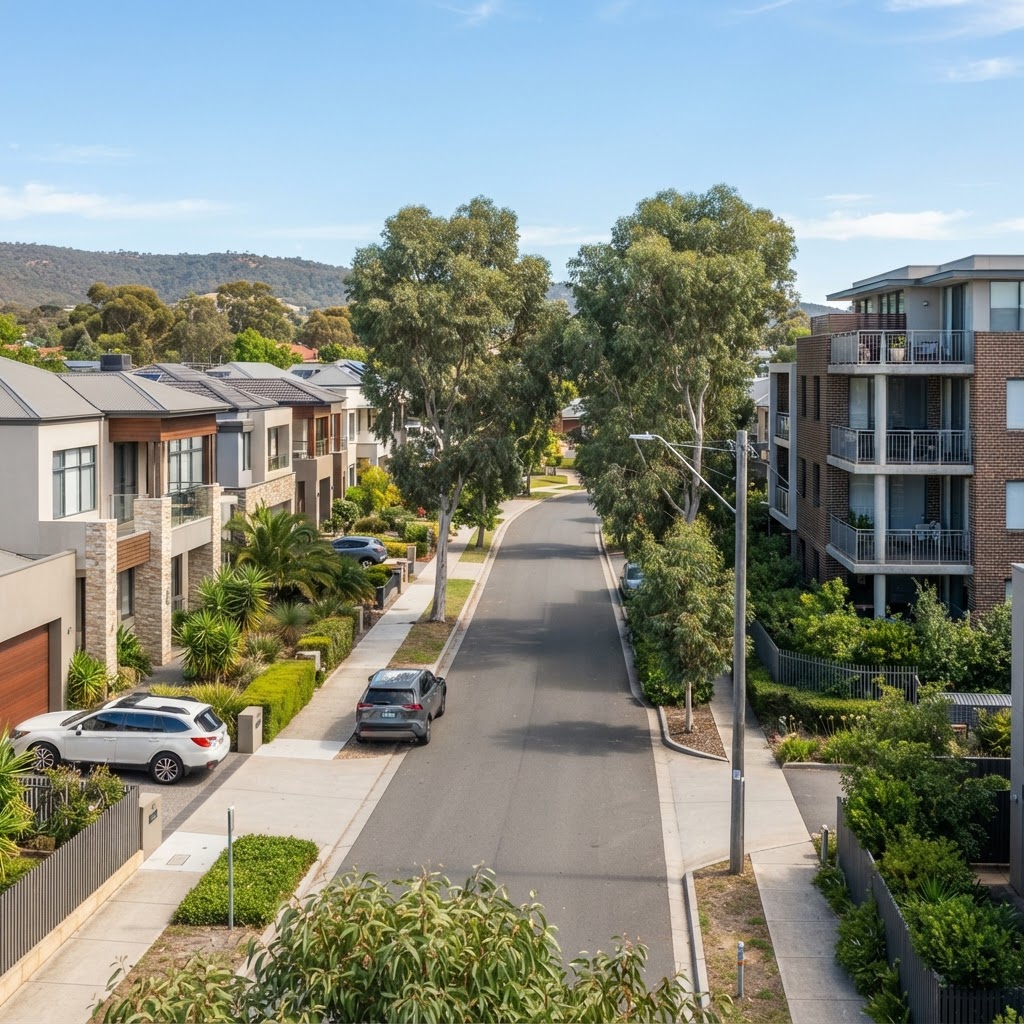
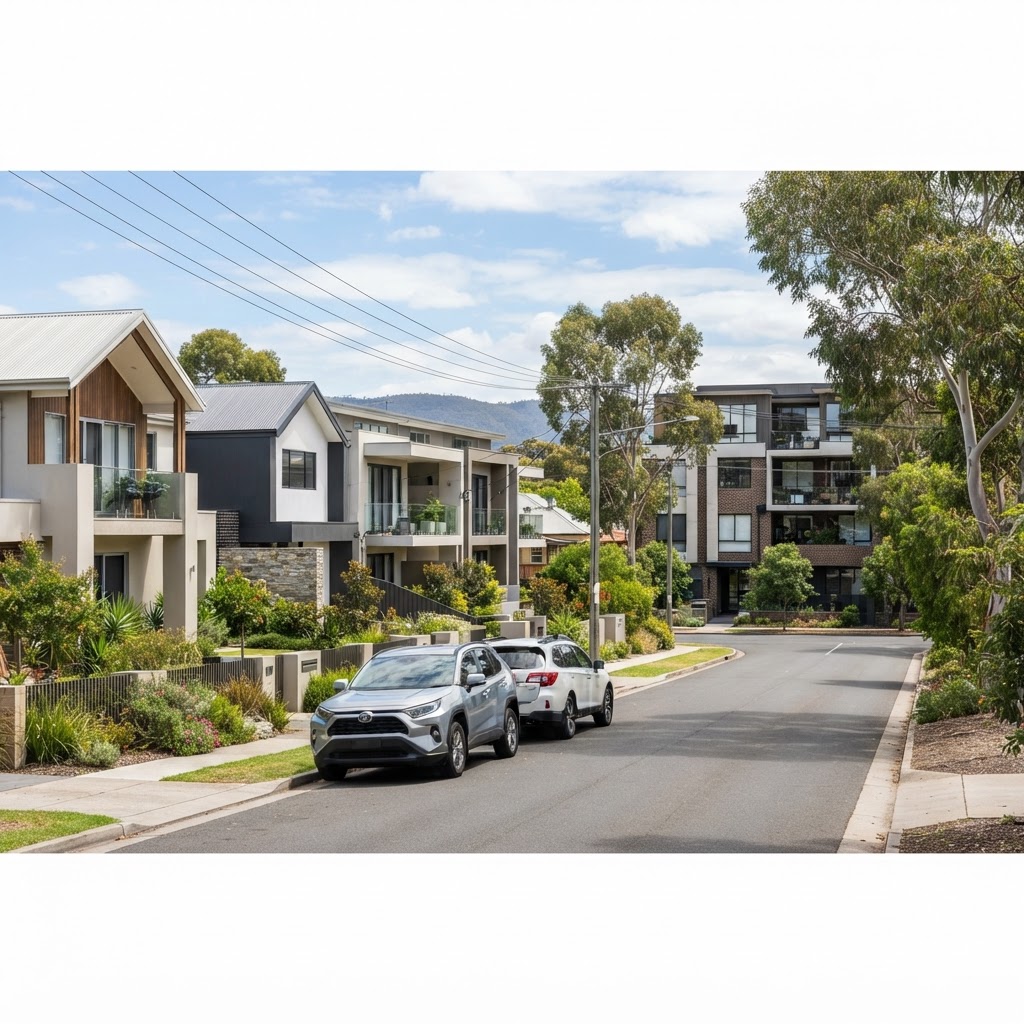
The City of Adelaide’s updated planning policies, introduced in early 2026, are already impacting local real estate markets, particularly in the inner northern and eastern suburbs such as Prospect and Norwood. These changes aim to balance housing growth with preserving neighbourhood character, but the market is adapting quickly.
South Australia’s planning reforms came into effect on 1 February 2026, following a state government push to accommodate population growth while protecting community amenity. The new Development Plan Amendment (DPA) targets residential zones in areas like St Peters and Stepney, focusing on limiting building heights and encouraging medium-density infill.
These policy shifts occur amid a broader push to support first-home buyers, with the state median house price holding steady near $720,000 according to the Real Estate Institute of South Australia (REISA). With market affordability a key concern, changes in planning controls directly affect supply and demand dynamics in popular precincts.
In Prospect, the DPA restricts some multi-storey developments along Churchill Road, intending to maintain the suburb’s leafy streetscapes. Meanwhile, Norwood, renowned for its café culture and heritage-listed buildings, faces tighter heritage overlays that influence renovation and new build approvals. The City of Norwood Payneham & St Peters council has reported a noticeable dip in development applications since March 2026, signaling more cautious investor and developer activity.
Programs such as the SA Housing Supply Fund are simultaneously channeling funds into building affordable homes in suburban fringe locations like Munno Para and Golden Grove. The contrast highlights a strategic focus to direct growth away from inner suburbs where planning rules have become more restrictive.
REISA data reveals that median house prices in Prospect remained around $850,000 in the first half of 2026, a 2% increase compared to the second half of 2025. Conversely, Norwood saw more modest growth, with median prices edging up to $1.12 million, a 1% rise. This slowdown contrasts with suburbs outside the inner ring, where looser planning controls correspond with stronger price gains.
Similarly, auction clearance rates in Prospect dropped from 63% in January 2026 to 55% by June, according to CoreLogic figures, reflecting the market’s reaction to tightened development potential. Prospective buyers and developers are recalibrating expectations, particularly given the South Australian government’s stated objectives to preserve suburb character.
Local agents report that buyers now prioritize properties with existing development approvals or those suitable for renovation under new guidelines. This has created a premium for turnkey homes in well-established streets like Churchill Road in Prospect and The Parade in Norwood.
Prospective buyers should closely follow ongoing council meetings and licensing updates, as further DPAs are scheduled for release later in 2026, particularly affecting areas around Magill and Eastwood. These policies will likely continue to limit large-scale development, preserving the current market’s supply constraints.
For sellers, marketing properties with approved development potential or heritage features may deliver stronger interest. Conversely, buyers aiming for new builds should explore suburbs with fewer planning restrictions, where growth is being actively encouraged through funding and infrastructure projects.
The current environment underscores the need for careful due diligence with planning permissions and suburb character controls. Real estate professionals advise consulting directly with local councils such as the City of Prospect or Norwood Payneham & St Peters to understand the implications before committing.
In summary, South Australia’s 2026 planning reforms mark a turning point for Adelaide’s residential property scene, sustaining affordability pressures in inner suburbs while guiding growth to the metropolitan fringe. Watching how these policy shifts evolve will be crucial for anyone buying or selling in Adelaide this year.
This article is general information only and is not personal financial or investment advice. Consider your own circumstances and seek licensed professional advice before making financial decisions.
Property
Property
Property

Property
Property
Property
About this articleBeta
Published by The Daily Adelaide
Spread the word
Daily brief
Free, in your inbox before 7am. Weekdays.
The Daily Network — local news across Australia