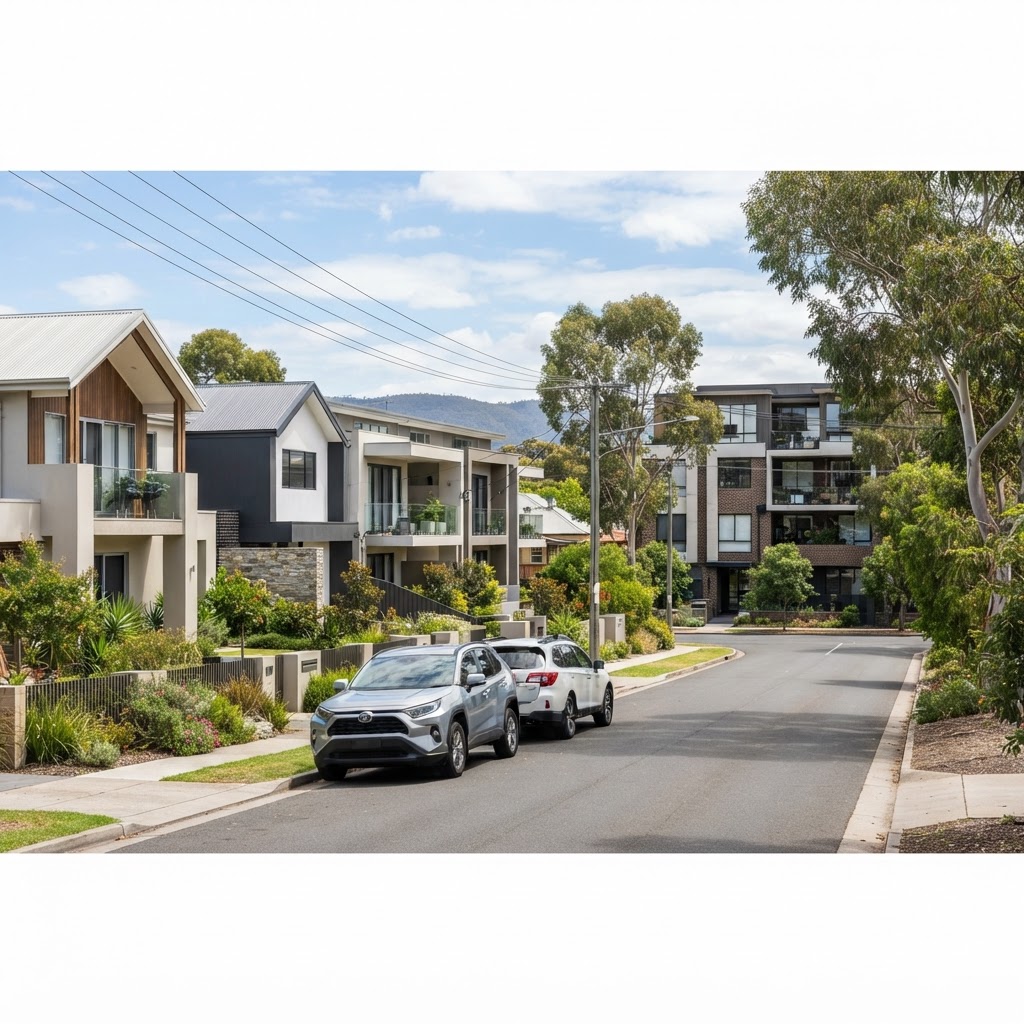
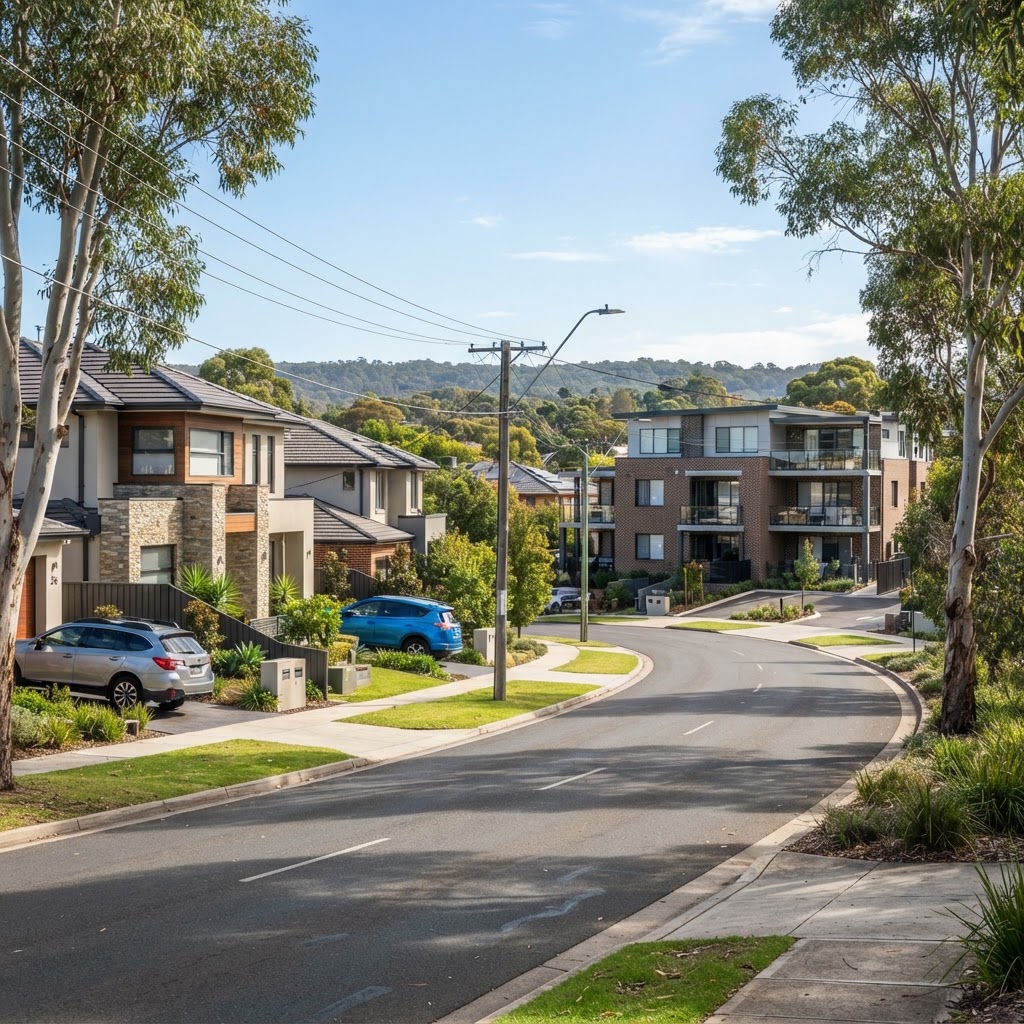
Adelaide’s median house price has recently edged above $720,000, the highest since 2022, squeezing affordability for first-home buyers at a time when interest rates remain elevated. Analysts cite a mix of supply constraints, changing lending rules, and popular inner suburbs driving prices upward.
Why price pressures are mounting now
The local market feels the pinch as South Australia faces a shortage of new housing stock paired with consistent buyer demand, particularly from younger households eager to enter the market. The state government’s South Australia Housing Strategy 2023-2030 acknowledges a persistent undersupply of affordable dwellings.
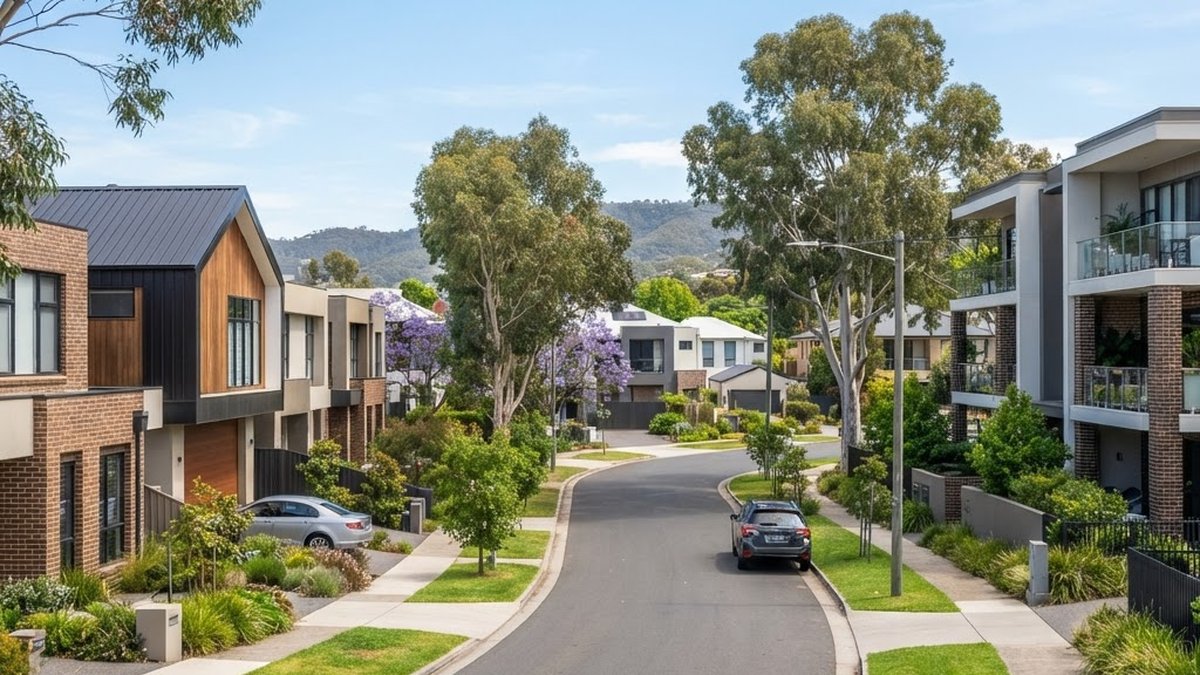
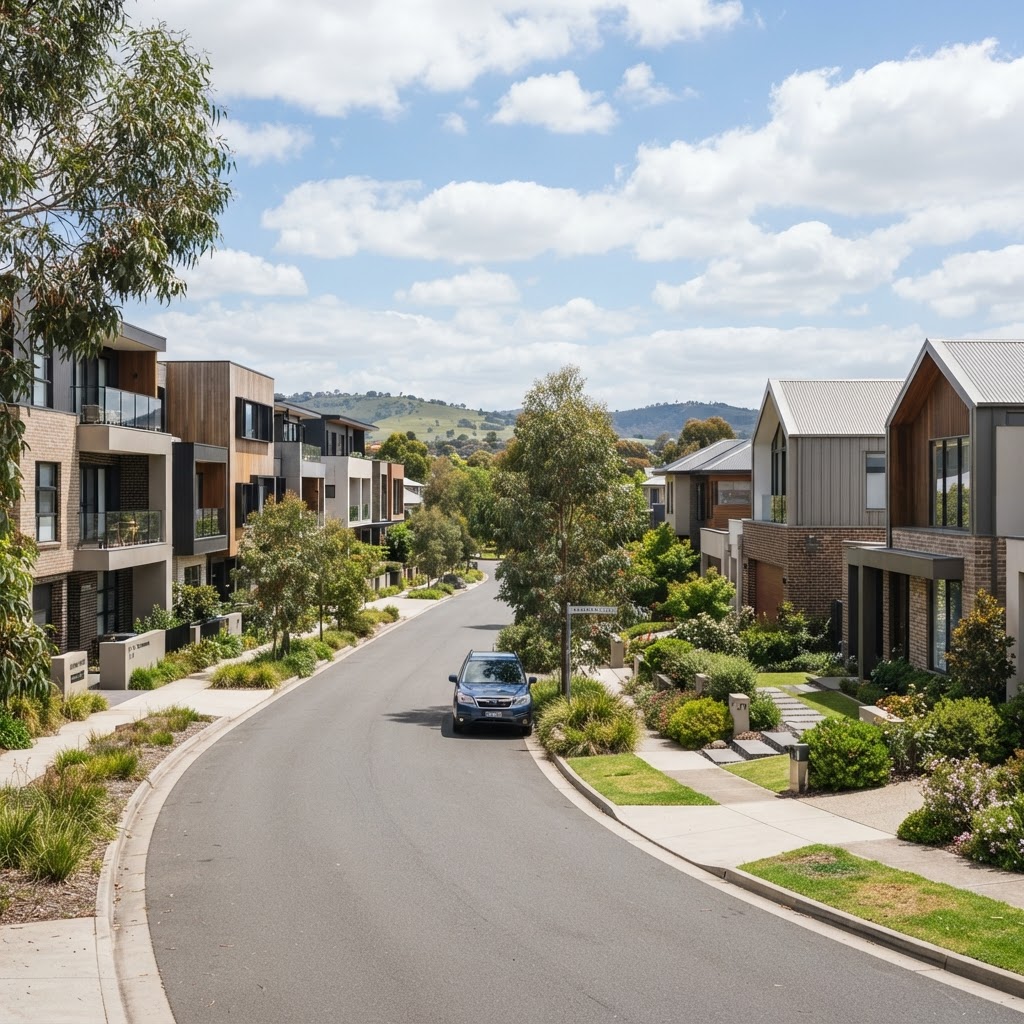
Adding to the pressure, Adelaide’s outer northern and northeastern corridors such as Munno Para and Golden Grove are seeing increased developer activity, but these areas are also attracting investors and owner-occupiers willing to pay rising prices for available homes.
Local hotspots and government programs to watch
Suburbs like Prospect and Norwood continue to be hot areas for first-home buyers despite prices pushing towards the $900,000 mark for established homes according to data from the Real Estate Institute of South Australia (REISA) for June 2026. Many buyers are priced out of these inner-city locations, turning to more affordable pockets like Elizabeth Vale and Salisbury Downs.
The state’s First Home Owner Grant and stamp duty concessions remain integral tools for new buyers. The $15,000 grant, available for eligible newly built homes or substantial renovations, alongside reduced stamp duty on properties under $500,000, provides some relief. However, with the median price edging upward, fewer homes fall within these thresholds.
Local councils and community organisations also support buyers. The City of Prospect, for instance, offers assistance through its housing diversity initiatives to encourage development of affordable housing options, though completion timelines mean relief is not immediate.
Data underscoring affordability challenges
According to REISA, the average dwelling price in Adelaide rose by 3.7% over the 12 months to June 2026. This rise contrasts with relatively flat wage growth reported by the Australian Bureau of Statistics (ABS), intensifying the affordability gap.
ABS data also highlight home loan interest rates climbing from 3.5% in mid-2022 to approximately 5.85% in mid-2026, further straining borrowing power. This increment inflates monthly repayments, a crucial factor for prospective buyers calculating feasibility.
Furthermore, the latest Reserve Bank of Australia (RBA) report notes that property listings in Adelaide remain 15% below 2019 levels, reflecting ongoing tight supply amidst growing demand.
What first-home buyers should consider next
Given these conditions, experts advise first-home buyers to carefully assess budget parameters, including buffer capacity for rising interest rates. Exploring emerging suburbs with infrastructure upgrades, like Munno Para’s expansion around the new hospital precinct, might offer longer-term value compared to traditional inner-city hotspots.
Engaging with financial counsellors and attending education webinars hosted by organisations such as the South Australian Housing Trust can provide up-to-date guidance on grants and affordable housing options.
Ultimately, buyers should prep for a market where competitive bidding remains the norm, and government incentives alone may not bridge the affordability gap without strategic planning and realistic expectations about location and housing type.
This article is general information only and is not personal financial or investment advice. Consider your own circumstances and seek licensed professional advice before making financial decisions.