Technology
How Adelaide's fiber-first approach made it a global connectivity outlier
While the world debates 5G and satellite internet, this city quietly built one of the most resilient broadband ecosystems on the planet.
4 min read
Technology
While the world debates 5G and satellite internet, this city quietly built one of the most resilient broadband ecosystems on the planet.
4 min read
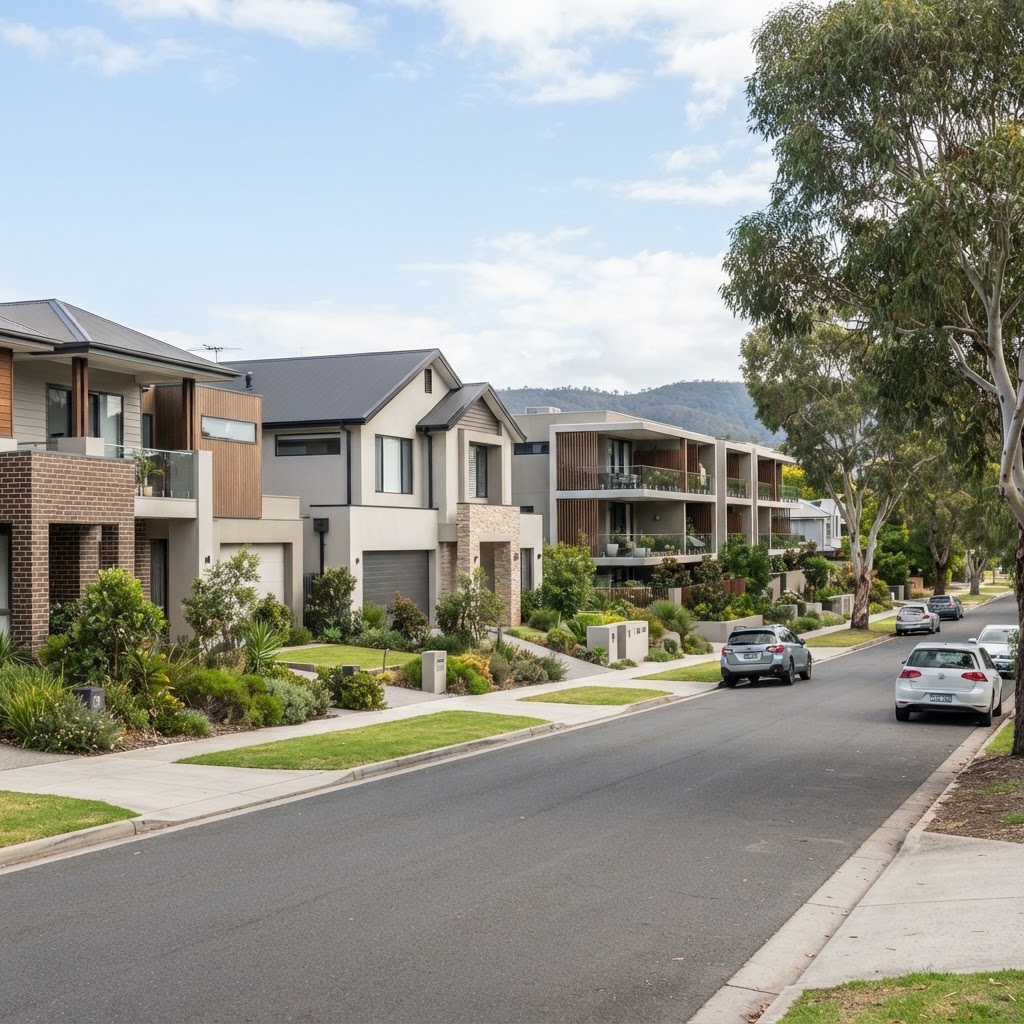
Adelaide has a higher percentage of homes connected to fiber-to-the-premises broadband than any other Australian capital city, and most global peers, according to data published last month by the Australian Competition and Consumer Commission. As of June 2026, 78.4% of households in the Adelaide statistical division are on FTTP connections, compared with a national average of 52.1%. That gap has been widening since the South Australian government's GigCity Adelaide program launched in 2015.
The timing matters. Globally, governments and telecoms are wrestling with how to deliver affordable, reliable internet in an era of climate-driven disasters and cyber threats. The U.S. Cybersecurity and Infrastructure Security Agency admitted on July 10 that it had to build its incident response playbook during a live breach. In New York last week, a heat wave pushed the grid to its limits and left thousands reliant on mobile hotspots. Adelaide's fixed-line density means that when extreme weather, or a major cyberattack, hits, more residents stay connected without relying on congested cellular networks.
Walk down Waymouth Street in the CBD and you'll see the legacy of that early bet: a dense mesh of underground conduits feeding into the South Australian Exchange at 100 Pirie Street, the city's primary internet peering point. That exchange, operated by Equinix, hosts more than 120 carriers and content providers, a concentration unusual for a city of 1.4 million people. Tenix’s Adelaide Data Centre at 55 Richmond Road, Mile End, which opened in 2023, added another 10 megawatts of capacity specifically for AI and cloud workloads. The University of Adelaide's Lot Fourteen precinct on North Terrace has become a magnet for startups that depend on low-latency links for real-time video processing and remote surgery trials.
The city's distinctive bet, though, was on open-access dark fiber. In 2019, the state government partnered with Vocus and TPG Telecom to light 200 kilometers of fiber across greater Adelaide, connecting 14 council areas at a cost of $43.5 million. That network, called the South Australian Government Telecommunications Network, now carries traffic for schools, hospitals and libraries, and leases excess capacity to ISPs at rates that undercut NBN wholesale prices by roughly 30%. A recent report from the South Australian Centre for Economic Studies estimated the initiative has saved the public sector $8.2 million annually since 2022.
Adelaide's approach is increasingly being studied by cities like Barcelona and Wellington, which sent delegations to Adelaide in March 2026 to examine the government's wholesale model. The core insight: when the public sector builds the physical layer and treats it as critical infrastructure, like water or roads, private competition flourishes on top. Retail prices for gigabit plans in Adelaide start at $79.90 per month from Aussie Broadband, compared with a Melbourne median of $99.00, according to June 2026 pricing data from WhistleOut.
The result is a tech ecosystem with unusually deep roots. The state's Cyber Security Innovation Node, headquartered at the Tonsley Innovation District, counts 47 member companies, up from 22 in 2023. Lot Fourteen's tenant list now includes the Australian Institute for Machine Learning, which runs the country's largest dedicated GPU cluster, and the Australian Space Agency's mission control center, both of which require sustained, high-bandwidth connectivity. When the Optus mobile network went down across South Australia on March 14, 2026, for 11 hours, businesses on Waymouth Street kept trading because their fiber backup kicked in.
What happens next: the state government plans to extend the dark fiber network to the Outer Harbor industrial zone by December 2027, aiming to attract data-intensive maritime logistics and hydrogen export operations. For residents, the message is straightforward: if you are building a connected business, or just want the most resilient home broadband available, Adelaide has become the Australian city to benchmark against. The ACCC's next quarterly broadband report, due in October 2026, will show whether the rest of the country is finally catching up.
Technology

Technology
Technology

Technology
Technology
Technology
About this articleBeta
Published by The Daily Adelaide
Spread the word
Daily brief
Free, in your inbox before 7am. Weekdays.
The Daily Network — local news across Australia