Technology
How Adelaide’s Broadband Backbone Sets Its Tech Scene Apart Globally
Superior connectivity and targeted infrastructure investments are positioning Adelaide as a standout tech hub on the world stage.
3 min read
Updated 3 h ago
Technology
Superior connectivity and targeted infrastructure investments are positioning Adelaide as a standout tech hub on the world stage.
3 min read
Updated 3 h ago
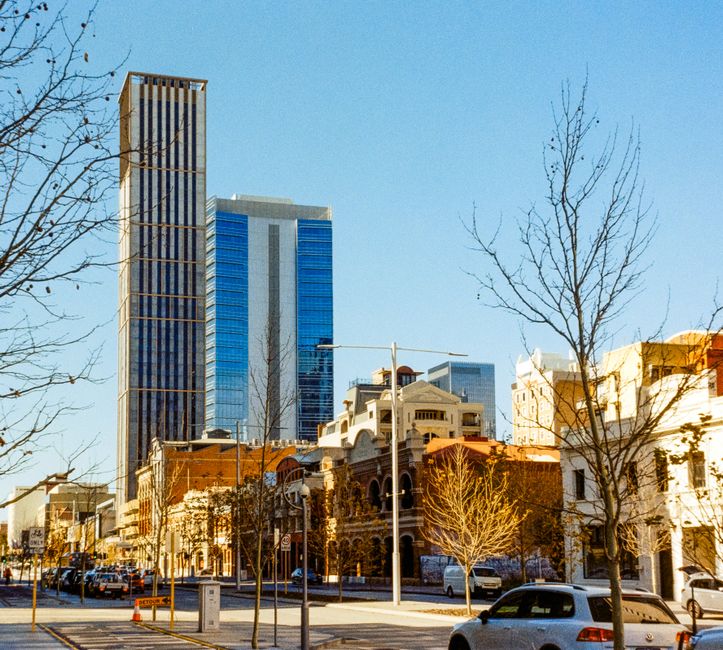
Adelaide’s rapid deployment of ultra-high-speed broadband infrastructure is proving a defining factor in its emergence as a globally distinctive technology ecosystem. The state capital’s 2026 completion of the Smart City Fibre Loop connecting the CBD with North Adelaide and the Tonsley Innovation District, boasting symmetrical 10Gbps speeds, is a game-changer.
As technology firms increasingly demand robust, scalable connectivity to support AI, data analytics, and cloud computing workloads, Adelaide’s infrastructure leap offers a competitive edge. This development is highly timely, coinciding with a nationwide push for digital economic growth and Australia's goal to become a leader in next-generation technology services.
The Smart City Fibre Loop is anchored at significant innovation precincts such as the University of Adelaide’s Waite Campus on Hackney Road and the Tonsley Innovation District in Bedford Park. Both locales house startups and established tech firms specializing in agritech, health IT, and advanced manufacturing, sectors that rely heavily on low-latency and reliable broadband.
ADLNet, a local telecommunications provider, partnered with the South Australian government to fund and roll out this infrastructure network, ensuring it remains affordable for startups with monthly rates starting at approximately AU$120 for 1Gbps symmetrical services. This pricing undercuts comparable offerings in Sydney and Melbourne by nearly 30%, drawing regional tech companies to relocate or expand into Adelaide.
According to the South Australian Department for Innovation and Skills, Adelaide ranks in the top 10 Australian cities for average broadband speeds, with a median download rate of 420Mbps and upload speeds averaging 380Mbps as of mid-2026. These figures represent a 25% improvement from two years ago, reflecting the impact of targeted local investments.
Moreover, the Smart City Fibre Loop has reduced latency by up to 50% for businesses operating between central Adelaide and surrounding innovation zones, significantly enhancing real-time collaboration capabilities. This performance benefit underpins recent growth in tech employment, which has risen by 18% in the last year within the city, according to data from the South Australian Tech Council.
Investors and talent alike cite this connectivity as a critical factor behind Adelaide’s appeal, complementing the city’s robust liveability rankings and competitive operating costs.
Looking ahead, the roll-out of 5G networks synchronized with fiber upgrades will extend these gains to suburban innovation hubs such as Mawson Lakes and the emerging Tonsley South precinct. For startups and established firms, auditing current connectivity needs and engaging with evolving infrastructure programs like ADLNet’s upcoming Enterprise Fiber Expansion could yield significant productivity dividends.
Adelaide’s tech ecosystem growth story underscores how strategic infrastructure investment, combined with competitive pricing and supportive local organizations, can carve a globally relevant role for a mid-sized city in the digital economy.

Technology
Technology
Technology

Technology

Technology
Technology
About this articleBeta
Published by The Daily Adelaide
Spread the word
Daily brief
Free, in your inbox before 7am. Weekdays.
The Daily Network — local news across Australia