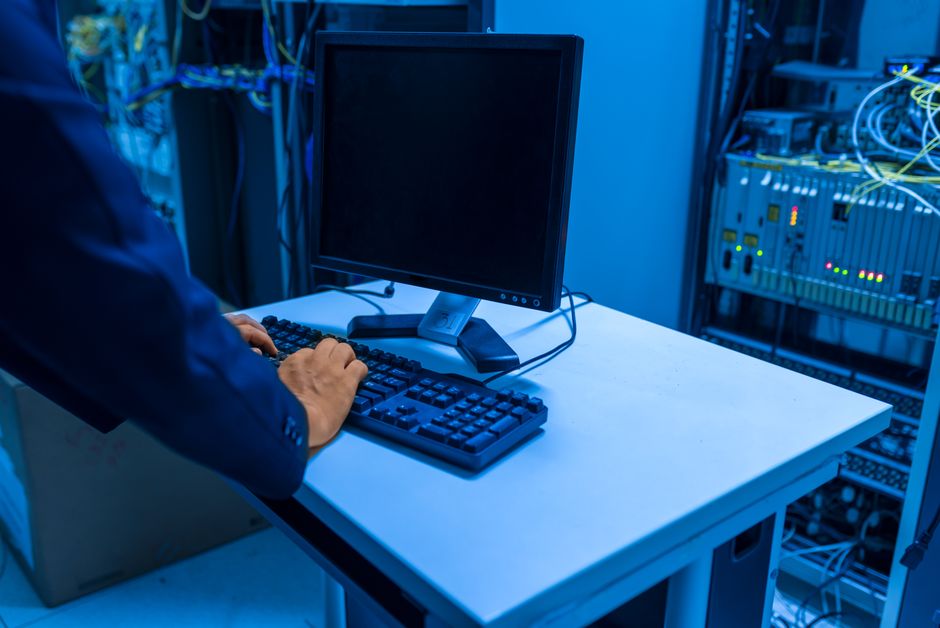
Adelaide's startup community is running into a frustrating bottleneck: broadband speeds that can't keep up with the data demands of a maturing tech ecosystem. Founders across the city say the gap between what's available and what they need is holding back everything from AI model training to real-time collaboration with international clients.
The issue comes as new remote-work patterns and cloud-dependent business models put unprecedented strain on residential and small-business connections. Several local accelerator programs and co-working spaces reported this week that their tenants regularly exceed the download caps of standard NBN plans within the first two weeks of a billing cycle.
Startups hitting a digital wall
Adelaide's startup hub, the Lot Fourteen precinct on North Terrace, has become a focal point for the discussion. Founders working out of the Innovation and Collaboration Centre in the CBD say business-grade fibre is available but priced beyond the budgets of early-stage ventures. The result: teams rely on consumer NBN plans that frequently degrade during peak hours when schools and households also come online.
One software company operating near the Adelaide Central Market told The Daily Adelaide it spent roughly 15 percent of its monthly operating budget on connectivity workarounds, including failover 4G modems and subscription to a virtual private network with performance guarantees. Another hardware startup based at the Tonsley Innovation District said data-intensive firmware updates to field devices often take overnight to complete, delaying product launches.
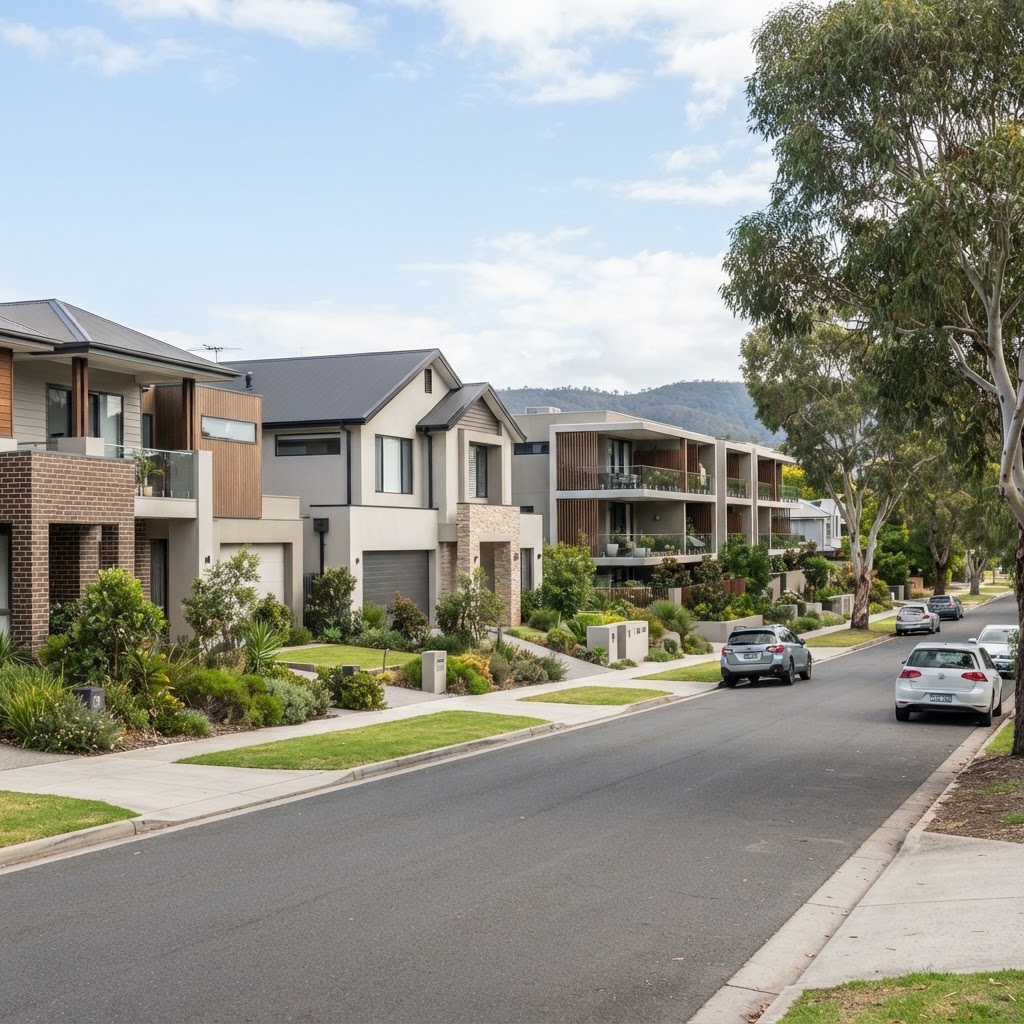
Existing NBN connection types in the city-primarily Fibre to the Node and Fibre to the Premises in newer suburbs-offer asymmetric speeds that prioritise downloads over uploads. That's a problem for startups that push large files to the cloud or run video-based Quality Assurance testing. The imbalance is particularly acute for companies in the fast-growing medtech and agtech verticals, which must regularly transmit high-resolution imaging data or sensor streams.
What's needed and who's paying
Several local internet resellers have begun marketing symmetrical business plans to Adelaide startups, with prices starting at roughly $300 per month for a 250/250 megabit connection. But the uptake remains slow. Founders say the recurring cost is hard to justify when venture capital dollars are scarce and every line item is scrutinised by investors.
There is no recent government program in South Australia specifically dedicated to subsidising business broadband for early-stage companies. The federal government's Regional Connectivity Program, which has funded projects in the state's Eyre Peninsula and Riverland regions, does not cover metro Adelaide. City-based startups are left to negotiate individually with internet providers or seek space in co-working venues that bundle premium connectivity into their desk fees.
Co-working operator Hub Adelaide, located on Pirie Street, said this week it upgraded its backhaul to a dedicated 1 Gbps symmetric fibre link after tenant complaints about video-call dropouts. The upgrade cost the venue an extra $1,200 per month-a cost passed on to members through a 10 per cent increase in hot-desk rates.
The problem isn't unique to Adelaide. Melbourne and Sydney have similar complaints, but the density of startups there makes it easier for providers to justify infrastructure investment. Adelaide's smaller pool of tech companies means carriers are less inclined to prioritise the city for upgrades, several founders said.
Without a coordinated push from the state government or a formal co-investment model with NBN Co, the onus remains on individual startups to absorb higher connectivity costs or relocate to better-served precincts. For now, the city's tech scene is producing world-class ideas on a second-class connection-and hoping the pipeline catches up before the next wave of startups decides to set up shop elsewhere.
About this article●Beta
Published by The Daily Adelaide
Covering technology in Adelaide. This article was generated by AI, under human editorial accountability and risk-based review and our reasonable editorial care. Sensitive material is held for human review before publication. See our reasonable editorial care.
Beta: AI-assisted and human-overseen. Details may be imperfect, so please verify anything important.