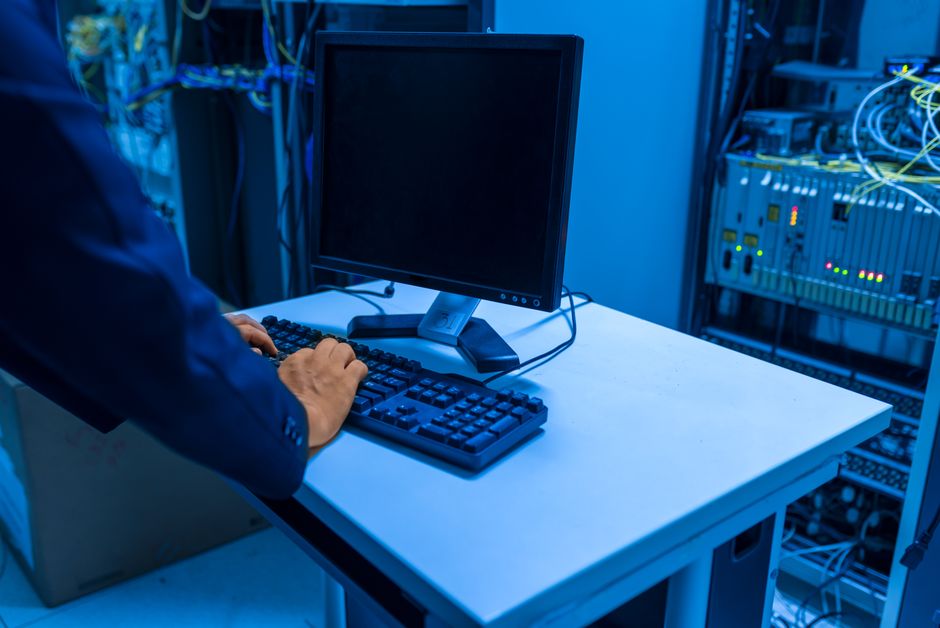
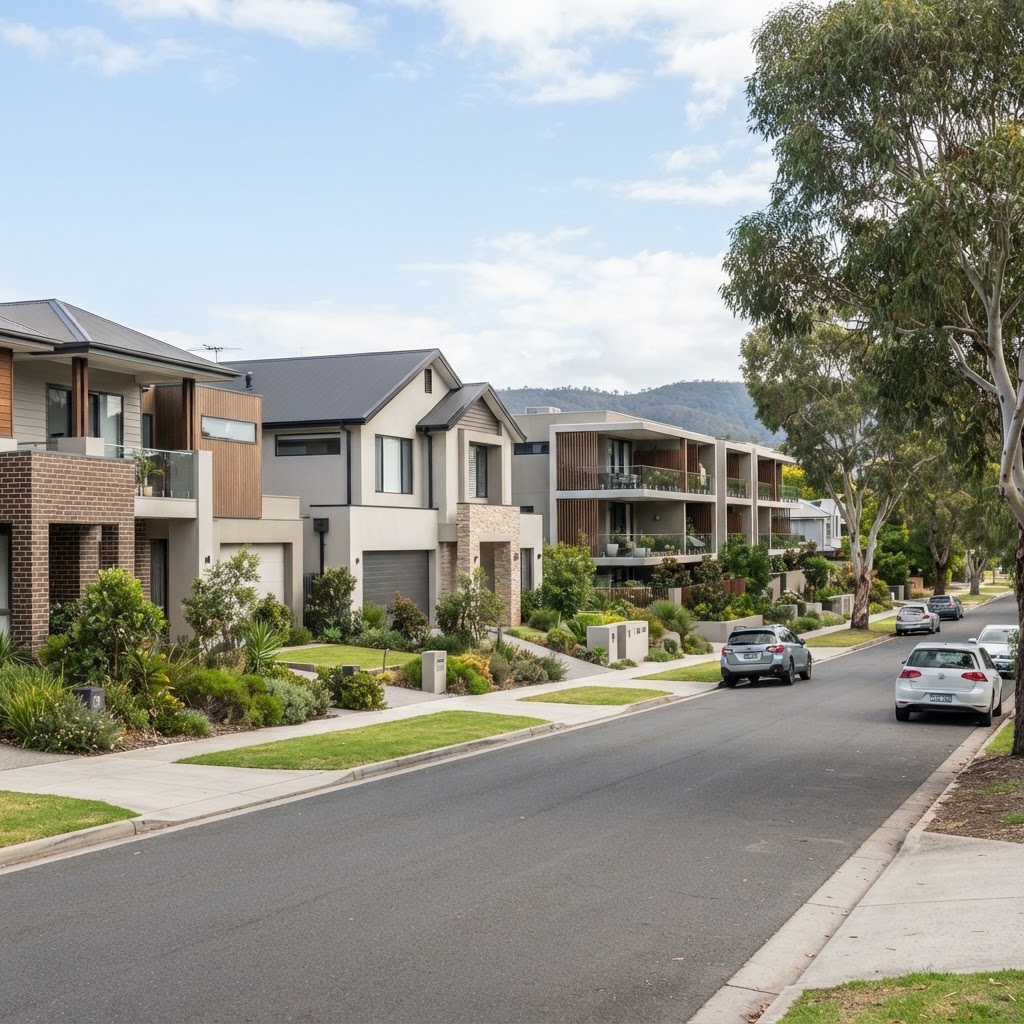
Adelaide has quietly become a global outlier in the broadband race, not by promising the fastest speeds, but by embedding fibre connectivity directly into its urban planning. The city’s Ten Gigabit Adelaide program, launched in partnership with TPG Telecom and the South Australian government, now delivers symmetrical 10 Gbps connections to more than 70,000 premises across the CBD, North Terrace precinct and the Tonsley innovation district. That’s a density of ultra-high-speed access that few cities of comparable size anywhere in the world can match.
Why connectivity matters differently here
The timing is no accident. As the Australian government pushes ahead with its $2.4 billion Fibre to the Premises upgrade under the National Broadband Network, Adelaide has already leapfrogged the national baseline. The city’s strategy was deliberate: instead of waiting for a federal rollout, it partnered with private carriers and the state government to build its own open-access network. That network now directly serves the University of Adelaide’s Lot Fourteen innovation hub on the old Royal Adelaide Hospital site, the Australian Space Agency’s headquarters, and more than 250 startups housed in co-working spaces along Waymouth Street and Pirie Street.
The result is a tech ecosystem that leans heavily on data-intensive sectors, machine learning, satellite communications, and advanced manufacturing, where low-latency, high-bandwidth connectivity is not a luxury but a prerequisite. The city has also carved a niche in edge computing, with several startups hosting on-site data processing nodes that rely on Adelaide’s fibre backbone to shuttle information between the city and cloud providers in Singapore and Los Angeles.
A network built for density, not just speed
What makes Adelaide’s approach globally distinctive is not the headline speed figure. It’s the distribution model. Most cities with symmetrical 10 Gbps services limit them to select business towers or wealthy suburbs. Adelaide’s network covers the entire CBD, the nearby inner suburbs of Hindmarsh and Bowden, and the Tonsley precinct, a former Mitsubishi car plant turned industrial-tech park. Tenants at Tonsley, including Siemens and Tesla’s battery storage R&D unit, all plug into the same open-access fibre that serves a two-person software shop on Currie Street.
The pricing tells a similar story. Residential users in connected apartment buildings can get 1 Gbps symmetrical plans for around A$99 a month, roughly half the cost of equivalent services in Sydney or Melbourne. For a city that has long positioned itself as a lower-cost alternative for tech talent and founders, that price point matters. It lowers the barrier for bootstrapped startups to access enterprise-grade connectivity without a year-long contract.
Adelaide’s broadband play also feeds into its broader smart-city ambitions. The council has deployed more than 800 sensors across lighting, parking and waste bins in the city centre, all relying on the fibre network for backhaul. A 2025 report from the Smart Cities Council ranked Adelaide second globally for integrated urban connectivity, behind only Seoul, based on the proportion of public infrastructure linked by a single, open-access fibre grid.
What happens next will hinge on how far the network can stretch. The state government has flagged an extension to the Edinburgh Defence Precinct north of the city, where Lockheed Martin and BAE Systems have R&D facilities. That expansion, if it proceeds, would tie the city’s defence and space sectors directly into the same high-capacity pipe that serves Lot Fourteen, creating a corridor that no other Australian city currently offers.
For now, Adelaide’s bet is simple: build the best-connected middle-weight city on the planet, and let the startups, researchers and manufacturers find their own path to it.
About this article●Beta
Published by The Daily Adelaide
Covering technology in Adelaide. This article was generated by AI, under human editorial accountability and risk-based review and our reasonable editorial care. Sensitive material is held for human review before publication. See our reasonable editorial care.
Beta: AI-assisted and human-overseen. Details may be imperfect, so please verify anything important.