Adelaide BioMed City: Health and Research at Global Scale
The concentration of health institutions in Adelaide's north parklands is becoming a genuine world-class precinct.
The concentration of health institutions in Adelaide's north parklands is becoming a genuine world-class precinct.
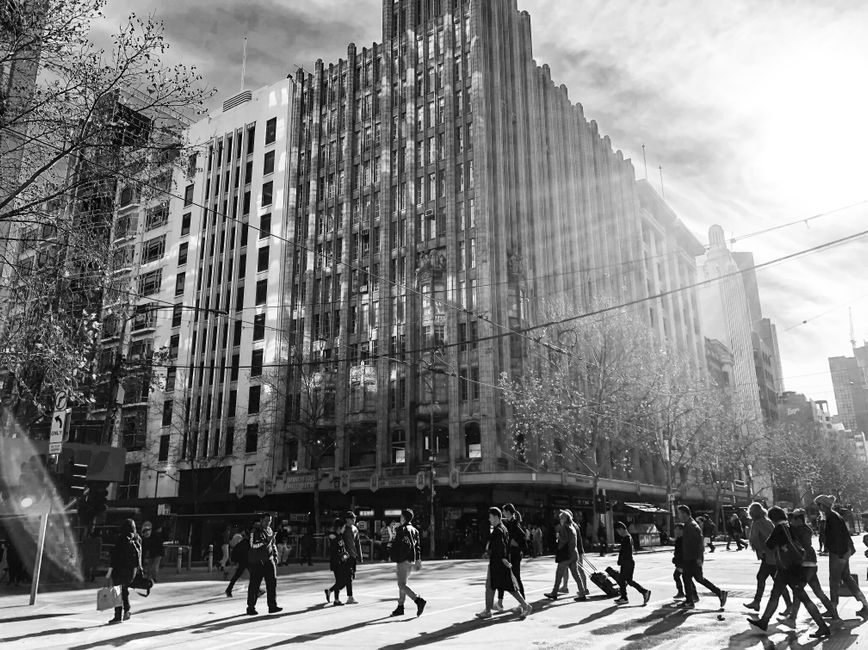
Adelaide BioMed City, centred on the SAHMRI building and expanding through a cluster of co-located health research institutions, hospitals, and health industry businesses in Adelaide's north parklands, has established South Australia's capital as a significant node in global biomedical research. The precinct's visible architecture, led by the distinctive SAHMRI building designed by Woods Bagot, signals an institutional ambition that the research outcomes are beginning to validate.
The South Australian Health and Medical Research Institute has attracted researchers from international institutions whose interest is in the specific research environments that SAHMRI's programmes support, including population health, cancer biology, immunology, and infection and immunity. The quality of the research output, measurable through publication and citation metrics, has established SAHMRI's credentials with international funding bodies whose grants provide the revenue that sustains the research enterprise.
The co-location of the Royal Adelaide Hospital with research institutions creates clinical research opportunities that academic medical centres globally have demonstrated produce better outcomes for research and for patients than research conducted in isolation from clinical settings. Clinical trials conducted in the precinct provide Adelaide patients with access to novel treatments ahead of standard approval, an access advantage that regional cities without equivalent research infrastructure cannot offer.
Startup companies emerging from BioMed City research have begun to establish in the precinct and in the surrounding inner suburbs, creating the early stages of a biotech cluster that the South Australian Government has invested in through the BioMed City strategy. The pace of commercialisation from academic research is slow by technology sector standards, but the pipeline of intellectual property in development has grown substantially over the past five years.
This article was compiled by AI from the sources linked above and screened before publishing. See our editorial standards.
Spread the word
About this article
Published by The Daily Adelaide
Your take
Daily brief
Free, in your inbox before 7am. Weekdays.
More from Adelaide