Investment Property in Adelaide: The Best Suburbs for Rental Yields in 2026
Which Adelaide suburbs deliver the best rental yields and capital growth for property investors in 2026?
Which Adelaide suburbs deliver the best rental yields and capital growth for property investors in 2026?
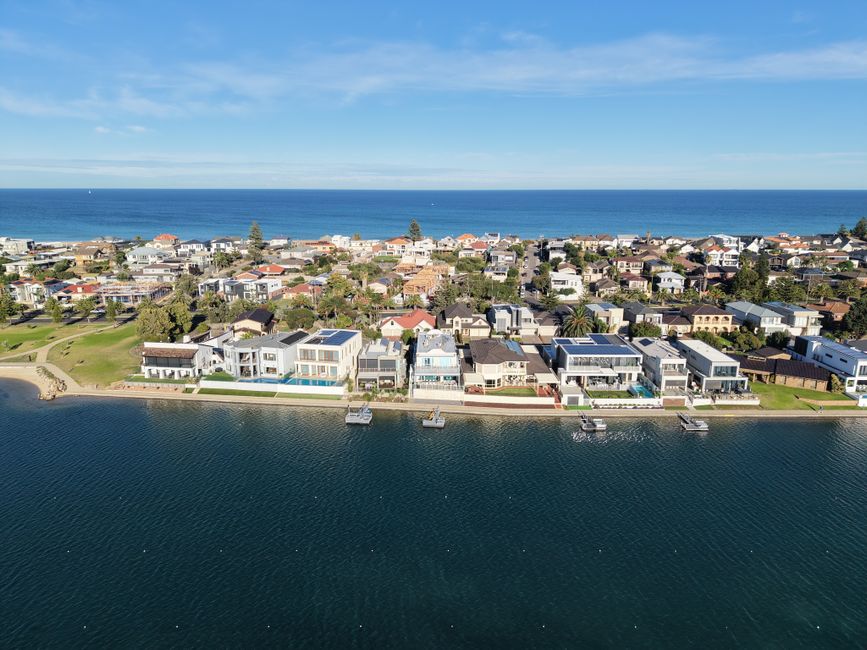
Adelaide's rental market has become one of the tightest in Australia, with vacancy rates consistently tracking below 1 per cent across the greater metropolitan area through 2025 and into 2026. This chronic undersupply of rental accommodation has driven median weekly rents to new highs, with three-bedroom houses now commanding $550 to $650 per week in middle-ring suburbs and one-bedroom units fetching $350 to $450 per week in the inner suburbs. For property investors, this environment creates genuine opportunity, as strong rental demand underpins income returns while ongoing price growth supports long-term capital accumulation. Adelaide's relative affordability compared to Sydney and Melbourne also means investors can enter the market at lower price points, improving initial yield calculations.
When comparing gross rental yields across property types in Adelaide in 2026, units and apartments generally outperform houses on a yield basis. Well-located one and two-bedroom units in inner-ring suburbs are achieving gross yields of 4.5 to 6 per cent, with some older-style units in suburbs like Unley, Norwood, and Prospect delivering above 5.5 per cent when purchased at median or below-median prices. Detached houses, while offering stronger capital growth potential over the long term, typically yield 3.2 to 4.2 per cent gross in established suburbs. Investors seeking a balance of yield and growth should focus on the middle ring, roughly 8 to 15 kilometres from the Adelaide CBD, where land content is meaningful and rental demand from families and working professionals remains strong.
Four Adelaide suburbs stand out for investor fundamentals in 2026. Port Adelaide has undergone significant gentrification, driven by the Harbour Town shopping precinct expansion, waterfront dining, and proximity to the Osborne Naval Shipyard workforce, with gross house yields around 4.5 to 5 per cent and strong tenant demand. Salisbury East offers investors affordable entry below $520,000 for three-bedroom homes, proximity to the Edinburgh RAAF Base employment hub, and gross yields approaching 5.2 per cent. Christies Beach on Adelaide's southern coast attracts coastal lifestyle renters and benefits from proximity to Flinders University and Flinders Medical Centre, with units delivering above 5.5 per cent gross. Finally, Parafield Gardens in the north offers newer housing stock, good schools, and proximity to the Main North Road employment corridor, with steady rental demand from manufacturing and logistics workers at nearby industrial estates.
Successful Adelaide landlords in 2026 pay close attention to the numbers beyond gross yield. Property management fees in Adelaide typically range from 7.5 to 9.5 per cent of rental income plus GST, depending on the agency and level of service. Ongoing maintenance should be budgeted at 1 to 1.5 per cent of the property's value per year for established homes. One of the most valuable tools for investors in residential property is a tax depreciation schedule, which allows investors to claim depreciation on eligible building components and fixtures as a non-cash deduction, improving after-tax cash flow. Investors should also engage a mortgage broker familiar with investor lending, as serviceability assessments differ from owner-occupier loans and choosing the right loan structure, including offset accounts and interest-only periods, can significantly affect net returns.
This article was compiled by AI from the sources linked above and screened before publishing. See our editorial standards.
Spread the word
About this article
Published by The Daily Adelaide
Your take
Daily brief
Free, in your inbox before 7am. Weekdays.
More from Adelaide